Home » Video Library » Respecting Veteran Status in the Workplace
Veterans bring a wide range of skills, experiences, and perspectives to the workplace. Their service may have included combat roles, logistics, leadership, engineering, medical support, or technical operations. As veterans transition from military service into civilian work environments, they often face assumptions—both positive and negative—about who they are and how they behave. While many people intend no harm, stereotypes and misguided “jokes” about military service can quickly cross the line into disrespectful, unsafe, or discriminatory behavior.
This video scenario highlights how a prank rooted in assumptions about a veteran’s background escalates into a serious workplace issue. It illustrates how humor, when paired with stereotypes and power dynamics, can create safety risks, reinforce stigma, and violate workplace expectations of respect.
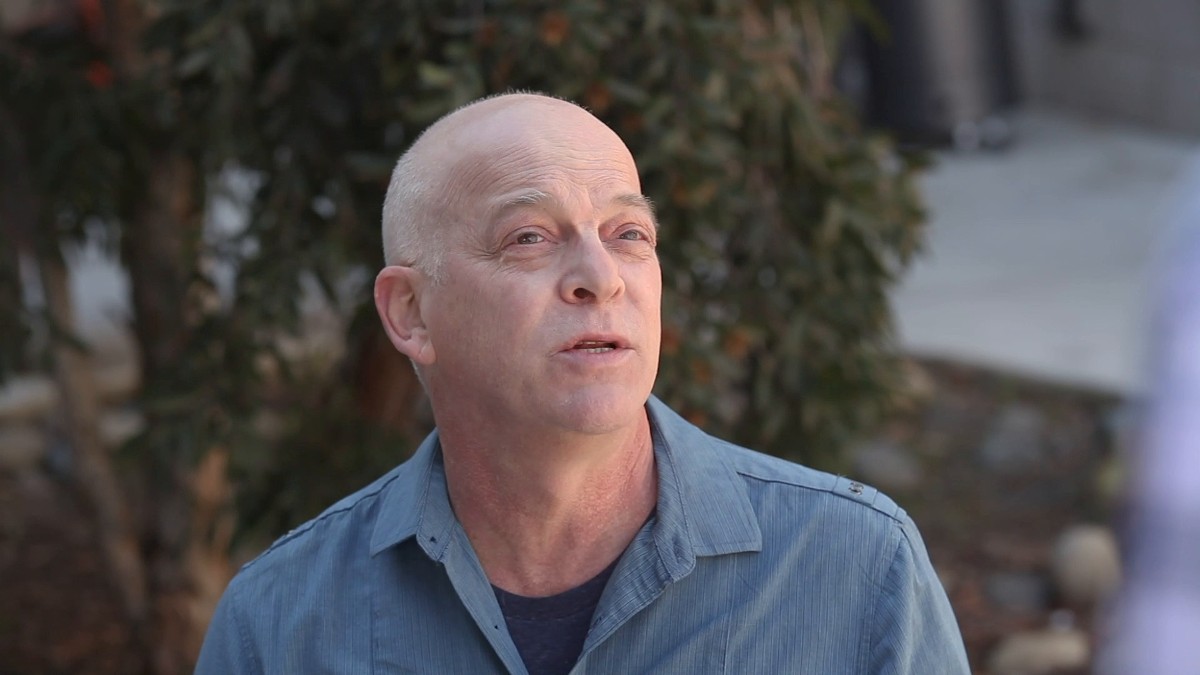
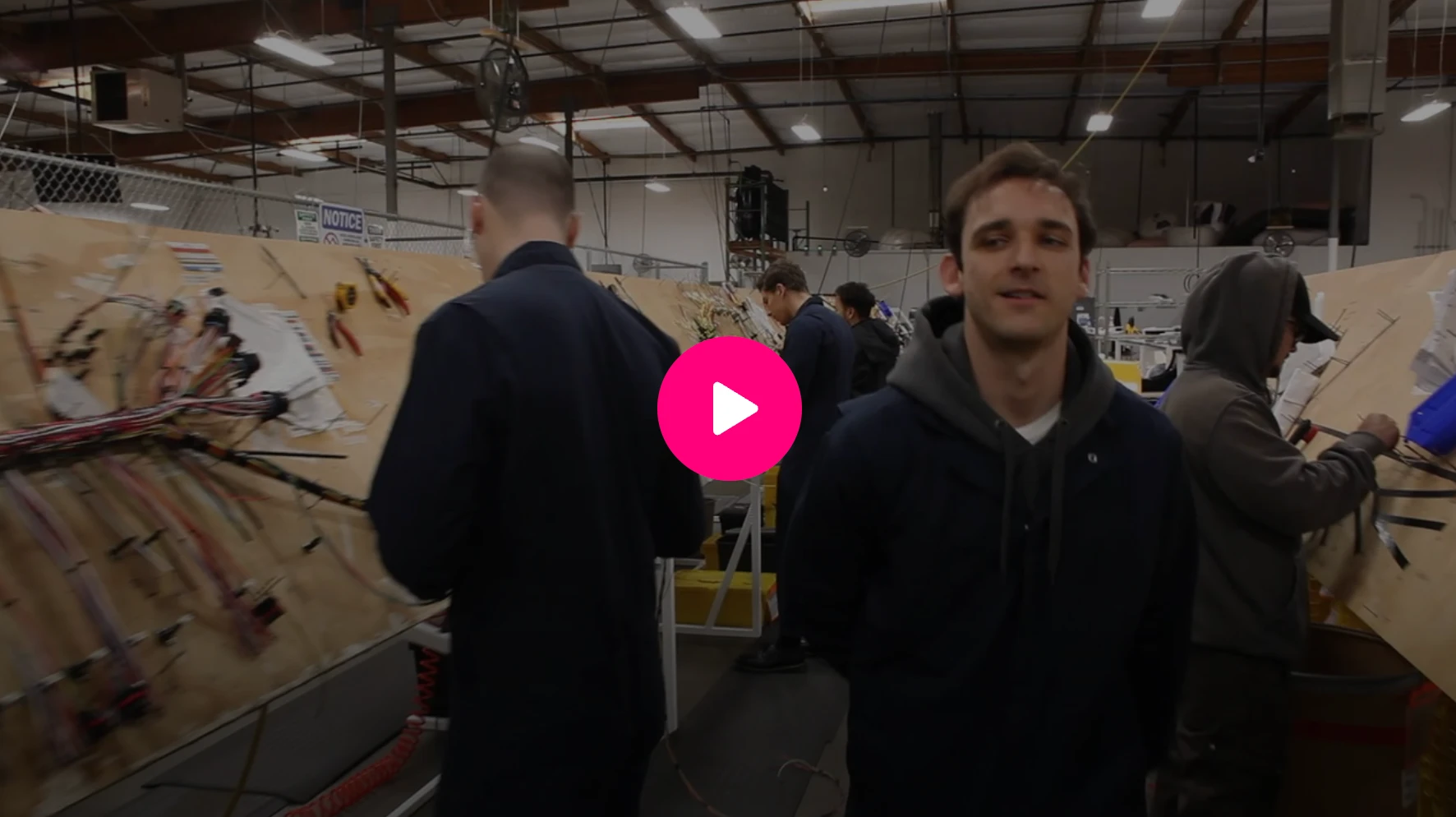
The scene takes place on a busy manufacturing floor, where several employees are working around heavy equipment and moving materials. Martin, a veteran, is focused on his job when a coworker, Ryan, walks past him. Without warning, Ryan activates a prank toy behind Martin’s ear, producing a loud siren noise.
Startled, Martin instinctively crouches down—a natural reaction to a sudden, unexpected sound in a high-risk environment. Ryan bursts into laughter, clearly pleased with himself. Another coworker, Ash, immediately checks on Martin, asking if he’s okay. Martin composes himself and says he’s fine, but the situation is far from resolved.
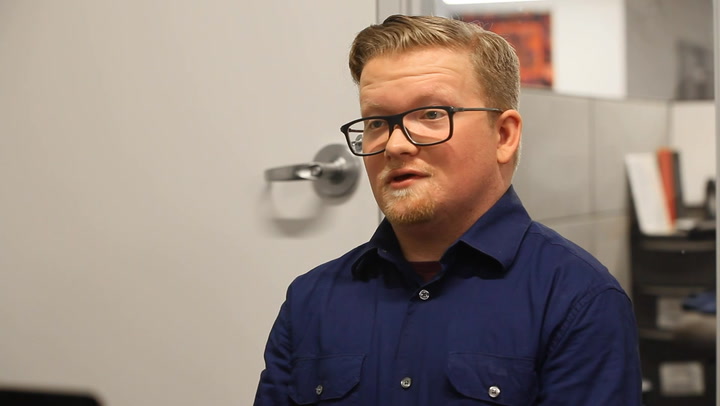
Ryan continues mocking Martin, referring to him as “GI Joe” and making exaggerated, dismissive references to danger. When Martin asks Ryan not to sneak up on people like that, Ryan responds sarcastically, asking whether Martin has “PSD or whatever they call it,” a flippant reference to PTSD.
At this point, the tone of the interaction shifts. Ash openly challenges Ryan, calling the behavior “messed up.” Martin, now more assertive, clearly tells Ryan not to do it again and warns that he will report the behavior if it continues. Ryan finally realizes that no one else finds the prank amusing, and the scene ends with visible tension and discomfort.
This interaction shows how quickly a so-called joke can escalate into a situation involving safety risks, harassment, and potential legal consequences.
Blaring a loud noise into someone’s ear—especially in a warehouse or manufacturing setting—is a safety issue. Startle responses can lead to falls, equipment mishandling, or injuries. Even without the veteran context, the prank is inappropriate.
However, what elevates this situation further is the targeting of Martin because he is a veteran. Ryan’s references to “GI Joe” and PTSD rely on harmful stereotypes that veterans are jumpy, unstable, or emotionally volatile. These assumptions are not only inaccurate, but deeply stigmatizing.
Depending on how a jury or investigator interprets the severity and context, this situation could be classified as orange—or even red—level misconduct, particularly because it:
Veterans are protected under multiple federal laws, including:
Mocking or targeting someone based on assumptions about military service or mental health can expose organizations to significant legal and reputational risk.
This video also reinforces the importance of dispelling common misconceptions about veterans in the workplace:
These myths fuel unfair treatment and limit opportunities for veterans when left unchallenged.
Ash demonstrates upstander behavior by:
Upstanders play a crucial role in stopping misconduct before it escalates further.
Martin:
This is an example of appropriate self-advocacy in the face of disrespect.
Emtrain’s Preventing Workplace Harassment course teaches that harassment doesn’t always begin with explicit slurs or threats. It often starts with “jokes,” assumptions, or unchecked behavior that normalizes disrespect.
This video reinforces that:
Every veteran’s experience is unique. We cannot—and should not—make assumptions based on military service, appearance, or stereotypes. Respecting veterans in the workplace means creating an environment where they are evaluated based on their skills, contributions, and professionalism—not caricatures or misconceptions.
This scenario reminds learners that “just a joke” can have serious consequences—and that choosing respect, awareness, and accountability is essential to building a safe, inclusive workplace.