As we all know, the World of Work is transforming as AI changes how work gets done and the skills and experience required. And, having lived through the Internet transformation in the 1990s, many of us know we’ll experience a significant amount of employee displacement and claims during this transformation.
So as everyone completes their 2026 planning, here are our predictions of the top four HR priorities that will define success in 2026:
- Instrumenting the business with multiple data sources
- Ensuring employee AI adoption and proficiency
- Creating a culture of respect, trust and management skills
- Enabling managers to manage/reduce employee relations risks
1. Instrumenting the Business with Data
The era of gut-feel or anecdotal HR decisions is over. In 2026, the most successful organizations are treating people analytics with the same rigor they apply to financial metrics; client metrics or any other business metrics.
Top HR teams are moving beyond basic headcount reports to build sophisticated data infrastructures that reveal the true drivers of organizational performance. They’re tracking leading indicators like internal promotion velocity, employee sentiment regarding leadership competencies and productivity output—not just lagging indicators like turnover rates.
What makes this year different is the integration piece. HR data is no longer siloed. Organizations are connecting workforce analytics with business outcomes, customer satisfaction scores, and operational metrics to answer questions like: Which team compositions drive the fastest product launches? What learning pathways correlate with promotion velocity? Where are hidden skill gaps creating bottlenecks? Which leaders experience the most employee turnover and claims?
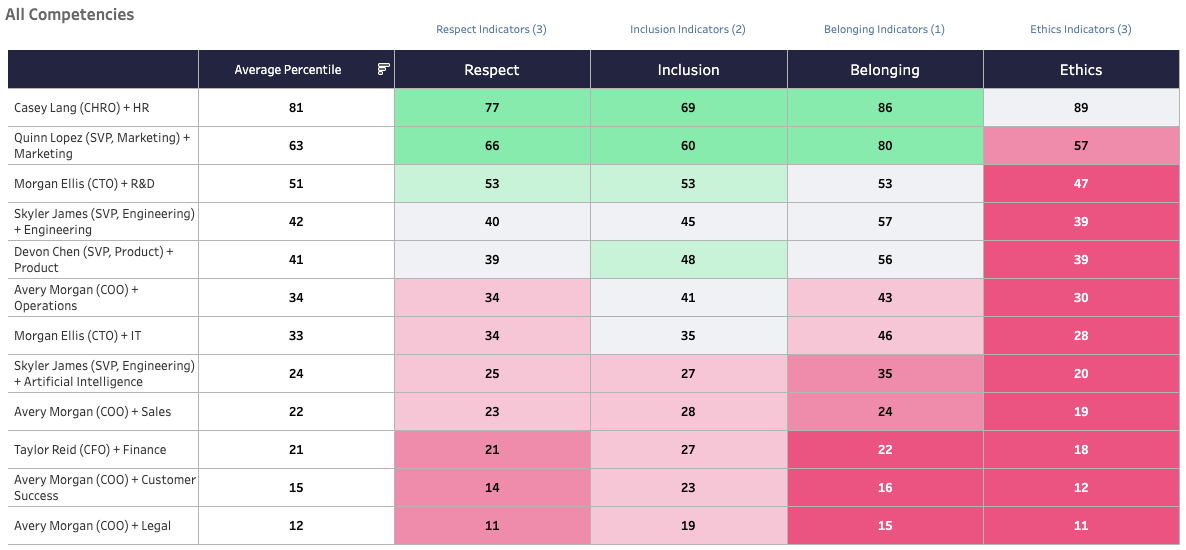
The challenge isn’t just collecting data—it’s building the capability to interpret it and act on it quickly. HR leaders who master this will become true strategic partners to the business, speaking the language of ROI and demonstrating clear connections between people investments and bottom-line results.
2. Ensuring AI Proficiency and Adoption Across the Workforce
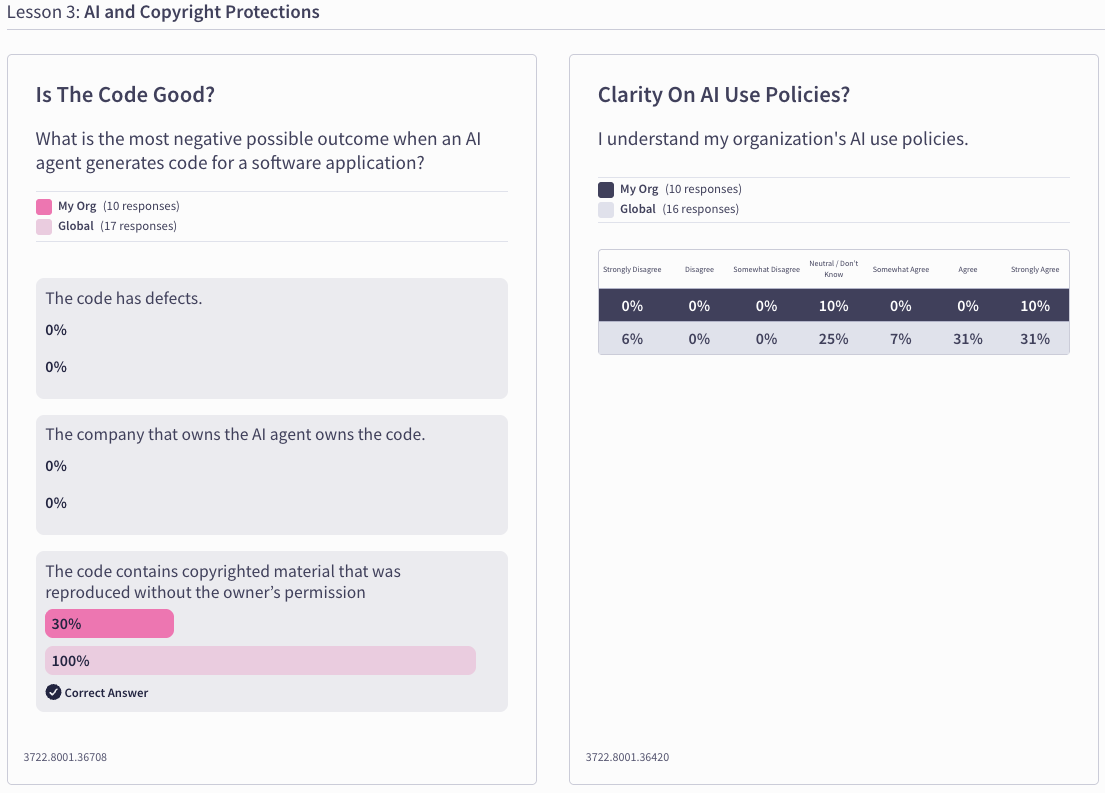
AI is no longer a specialized tool for technical teams. It’s becoming as fundamental as email and the Internet were two decades ago. HR’s role in 2026 is to ensure every employee can leverage AI effectively in their daily work.
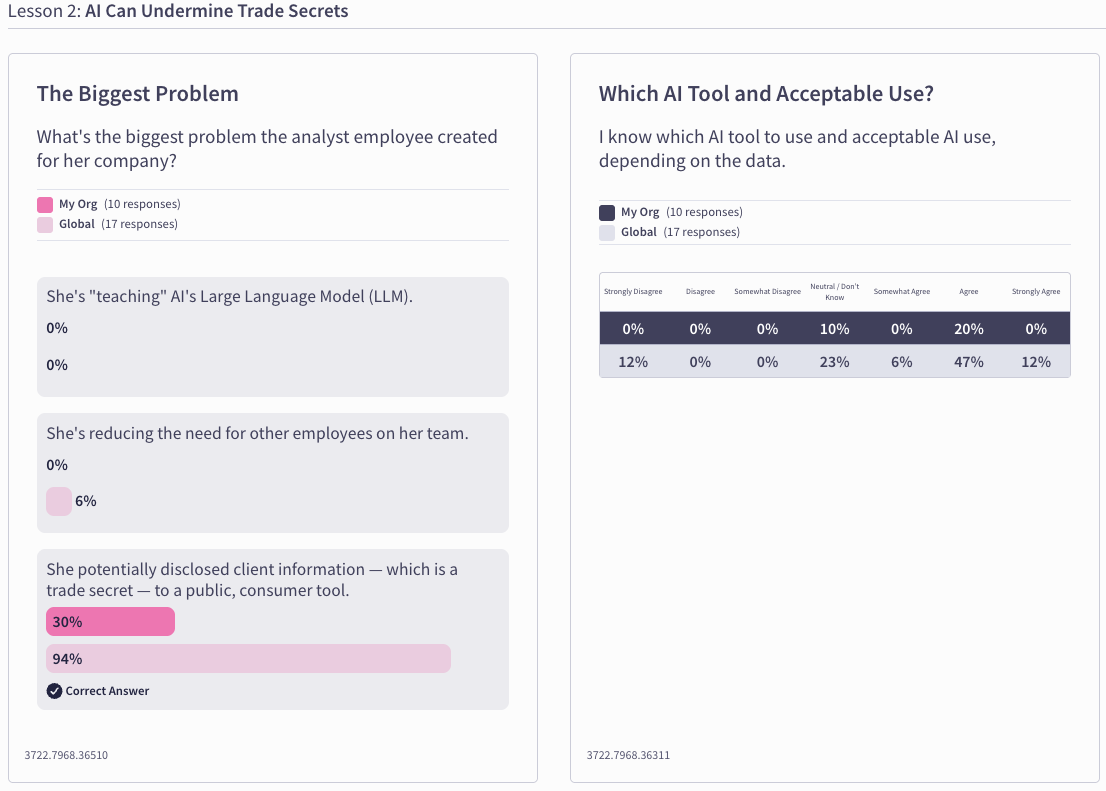
This goes far beyond offering a one-time training session. Organizations are creating comprehensive AI enablement strategies that include hands-on experimentation, use-case libraries, and communities of practice where employees share what’s working. They’re identifying AI champions in every department who can mentor colleagues and surface innovative applications.
The key insight driving this priority is that AI proficiency isn’t just about individual productivity—it’s a competitive differentiator at the organizational level. Companies where AI adoption is widespread are moving faster, making better decisions, and freeing their people to focus on high-value creative and strategic work.
HR also plays a critical governance role here, establishing guardrails around data privacy, output verification, and ethical use while avoiding the temptation to over-regulate and stifle innovation. The best organizations are finding the balance between “move fast” and “move responsibly.”
3. Creating a Culture of Respect and Trust
In a year marked by uncertainty—economic shifts, political polarization, and rapid technological change—psychological safety has emerged as a non-negotiable foundation for performance.
Employees in 2026 are making career decisions based heavily on workplace culture. They’re asking: Do I trust leadership to be transparent? Will I be respected for my contributions regardless of my background? Can I raise concerns without fear of retaliation?
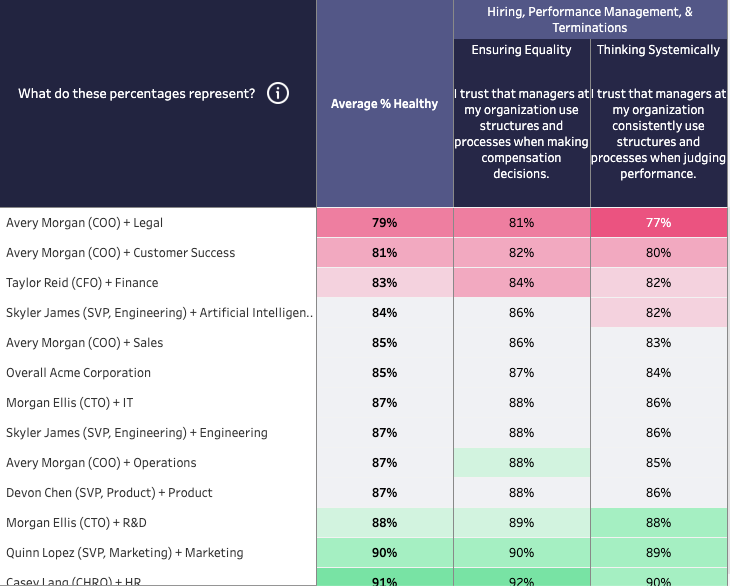
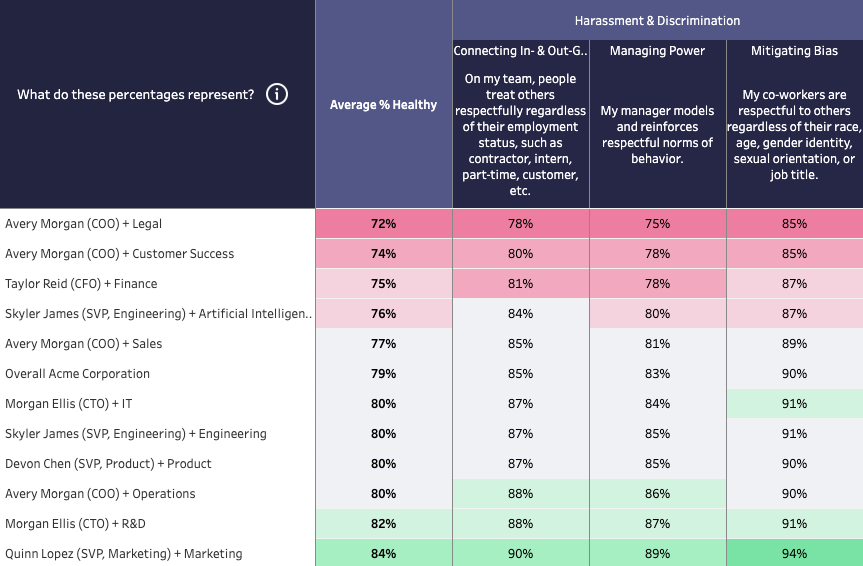
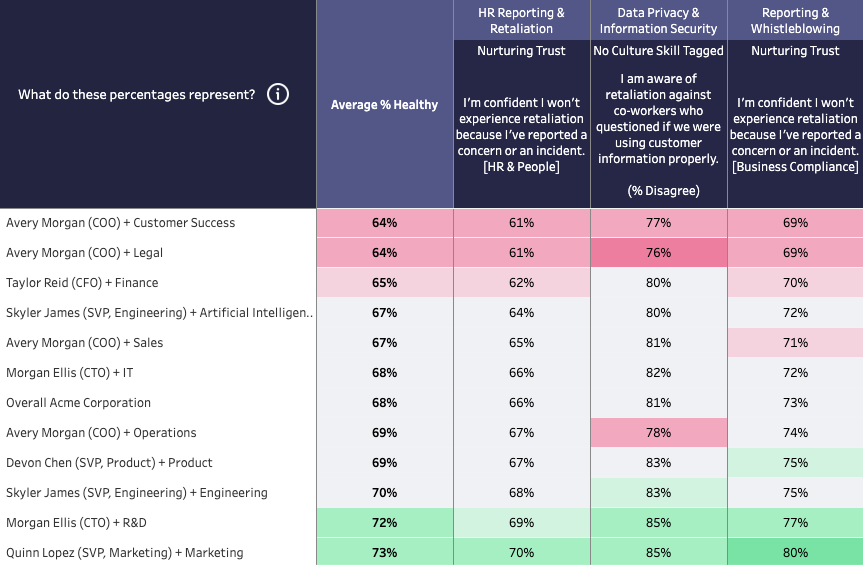
HR leaders are responding by making culture tangible and measurable. They’re moving beyond annual engagement surveys to implement continuous listening mechanisms that detect shifts in trust and belonging in real-time and segmented at the manager and team level. They’re training managers to facilitate difficult conversations and creating clear pathways for employees to voice concerns safely.
Perhaps most importantly, organizations are recognizing that respect and trust can’t be mandated through policy alone—they must be modeled from the top and embedded in daily interactions. This means holding leaders accountable not just for what they deliver but for how they deliver it, with culture carriers being promoted and culture detractors being coached or moved out.
The return on this investment is substantial: higher retention, greater innovation, and the ability to attract top talent in an increasingly competitive market.
4. Enabling Managers (Not Just ER) to Navigate and Reduce Employee Claims
The landscape of employee claims has never been trickier. With economic uncertainty, employee displacement due to new technology, remote work weakening workplace relationships, and employees more aware of their rights than ever, organizations face mounting exposure to workplace claims.
HR’s priority in 2026 is equipping frontline managers with the skills and confidence to prevent issues before they escalate to formal complaints or legal action. This means comprehensive training on documentation practices, performance management, accommodation requests, and recognizing early warning signs of potential disputes.

Smart organizations are implementing “manager enablement” platforms that provide just-in-time guidance when managers face tricky situations—what to say in a difficult performance conversation, how to handle a request for religious accommodation, when to loop in HR or legal. They’re also conducting regular audits of management practices to identify and address patterns that create risk.
The most sophisticated HR teams are analyzing claims data to identify root causes rather than just responding to individual incidents. Are claims concentrated in certain departments and under certain managers? What proactive interventions could address underlying issues?
By investing in manager capability and systematic risk reduction, organizations aren’t just avoiding legal costs—they’re creating healthier, more equitable workplaces where problems are resolved proactively.
Looking Ahead
These four priorities share a common thread: they require HR to be proactive, strategic, and deeply integrated with the broader business. The days of HR as a purely administrative function are long gone.
The organizations that will lead in 2026 and beyond are those where HR leaders are thinking like business strategists, data scientists, and culture architects simultaneously. They’re leveraging technology while keeping humanity at the center. They’re managing risk while enabling innovation.
For HR professionals reading this, the question isn’t whether these priorities matter—it’s whether you’re ready to lead on them. The good news? You don’t need to tackle everything at once. Pick one area where you can make meaningful progress this quarter, demonstrate impact, and build momentum from there.
The future of work is being shaped right now. HR leaders have both the opportunity and the responsibility to shape it well.