




Managing Influence Beyond Work Hours
Sometimes your managers can't resist getting social with their subordinates, but power dynamics are always at play. It's not uncommon for a manager to want to build more personal relationships with their employees, but the line should always be drawn somewhere. What may seem like an innocent request to the manager, may come across as undue pressure on the employee.
Microlesson Description
By definition, the title of manager comes with authority. Sometimes managers forget that "they're the boss" - but employees rarely do. That makes it hard for employees to say "no" to a manager - even in casual situations. This microlesson illustrates the power dynamics that carry over into after-hours work functions and explains that certain requests from managers can lead to a harassment situation.Key Concepts
- Managers want great relationships within their teams, but they can't forget the authority that comes with their positions.
- If a manager forgets the power dynamic, they risk creating situations that feel awkward and even toxic.
- If intentions or communications get confused - people can feel coerced, harassed or threatened.
Microlesson Features
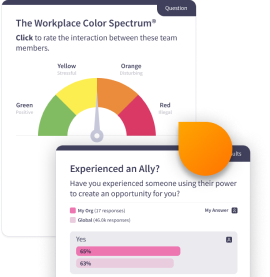
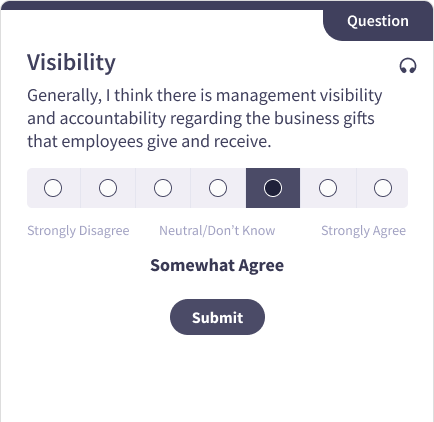
- Employee sentiment pulsing questions that provide leaders with insights into their workforce's core cultural competencies
- Emtrain's Expert Answers tool, enabling employeees to submit anonymous questions about sensitive issues.
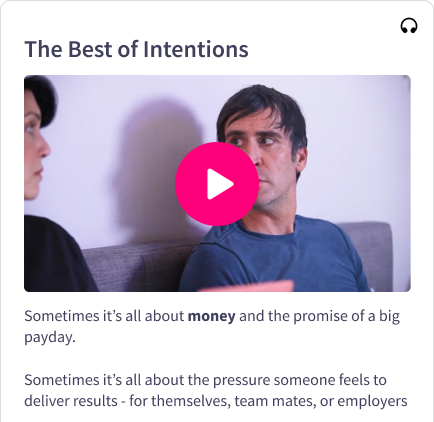
- Rich, contemporary video scences illustrating key concepts through realistic scenarios
- A data driven, skill-based approach to eLearning that establishes a shared language for employees.
Related Resources
Related Trainings
Frequently Asked Questions
Below are answers to common questions that employees and managers have about this topic. These FAQs provide a preview of what you’ll learn in this microlesson and why it matters.
Q
Why can managers’ off-duty conduct create workplace liability?
Managers’ off-duty conduct can create workplace liability if behavior outside of work—such as harassment or discrimination—affects employees or damages the brand.
Q
How does power imbalance shape how employee actions are perceived?
Power imbalance shapes how employee actions are perceived because a leader’s words or behaviors often carry more weight and potential influence.
Q
What policies address off-duty conduct that impacts workplace culture?
Policies addressing off-duty conduct should set expectations for professionalism, prohibit harassment, and outline consequences for reputational harm.
Q
Can harassment outside the workplace still lead to compliance issues?
Harassment outside the workplace can still lead to compliance issues if it creates a hostile environment or violates company policies.
Q
How can HR guide managers on respecting boundaries after hours?
HR can guide managers on respecting boundaries after hours by offering training, coaching, and reinforcing that professional standards apply beyond the office.