




How Bullying Hurts Teams and Culture
Bullying is unequivocally unacceptable, whether in the workplace, environment (whether in person or remote), or community. The impact of one individual's words and actions can reverberate, influencing others to engage in similar mistreatment towards a particular person or group. By fostering a toxic environment, bullying poisons the very fabric of our workplace. However, there are actionable measures we can take to recognize and intervene when we encounter bullying, or witness it being inflicted upon another individual.
Microlesson Description
In this microlesson, we demonstrate how a new hire is rudely questioned about his qualifications and education by an existing employee. From body language to tone of voice, the bully shows how his behavior can create a hostile environment for the new hire, ultimately impacting workplace culture and norms of behavior. Additionally, employees and managers will also see implications based on caste discrimination. This microlesson is included in the Preventing Workplace Harassment Training India course.Key Concepts
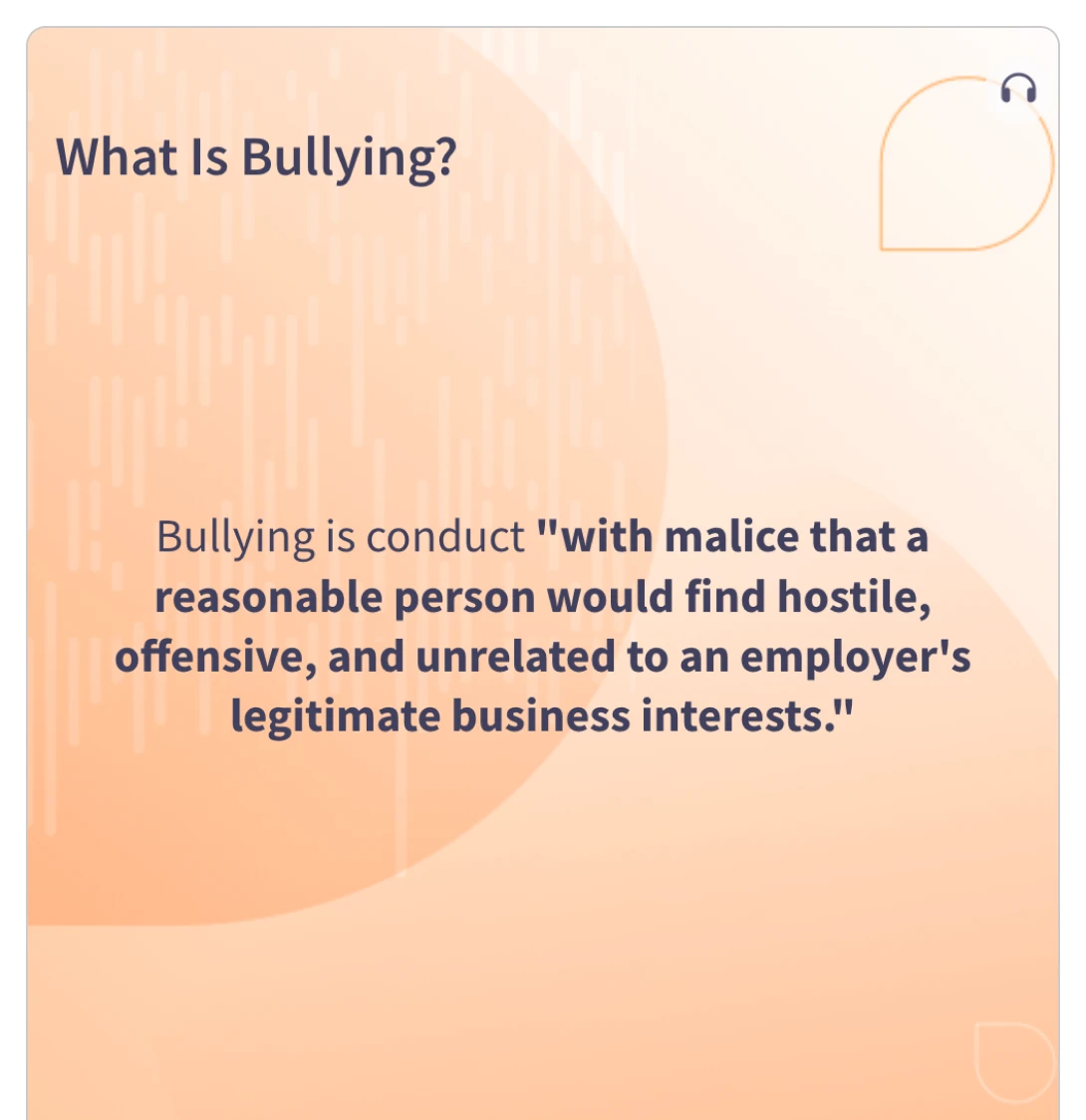
- Definition of bullying and what it can look like
- Examples of different types of bullying
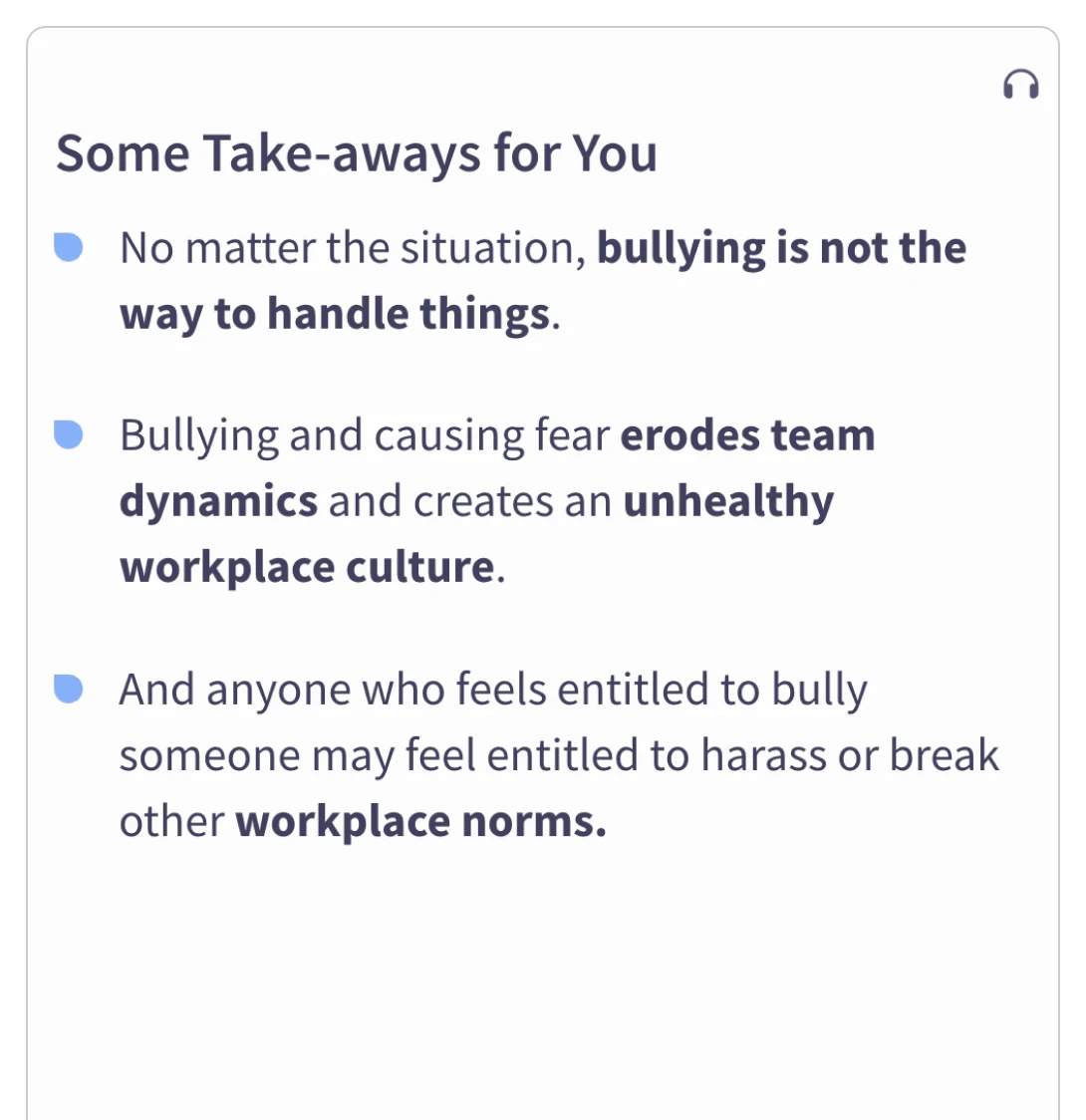
- How it negatively impacts workplace culture and teams
Microlesson Features
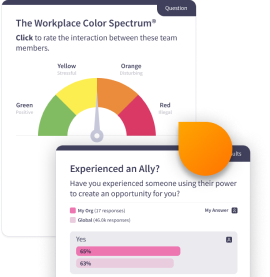
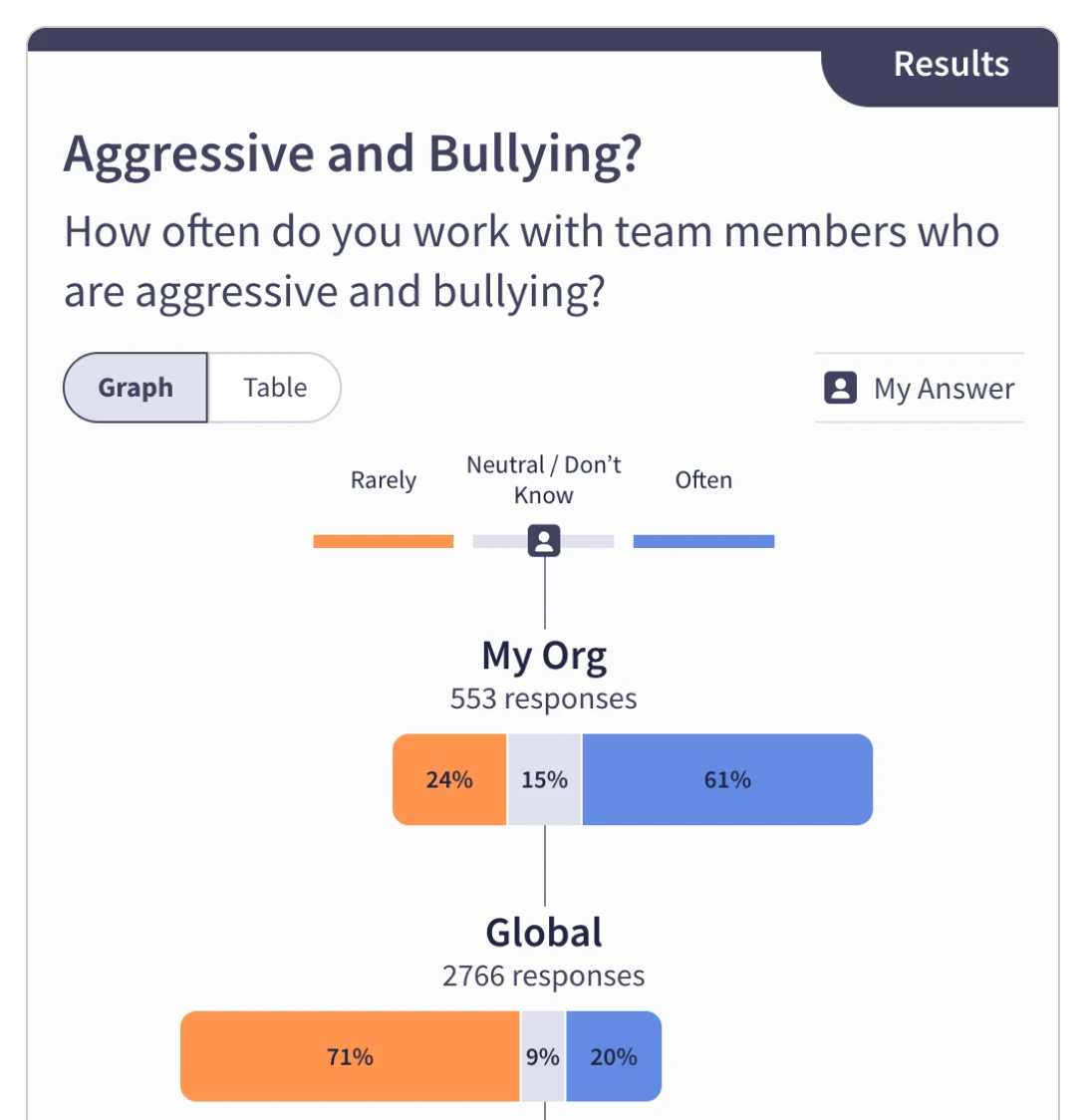
- Employee sentiment pulsing questions that provide leaders with insights into their workforce's core cultural competencies
- Emtrain's Expert Answers tool, enabling employeees to submit anonymous questions about sensitive issues.
- Rich, contemporary video scences illustrating key concepts through realistic scenarios
- A data driven, skill-based approach to eLearning that establishes a shared language for employees.
Related Resources
Related Trainings

Frequently Asked Questions
Below are answers to common questions that employees and managers have about this topic. These FAQs provide a preview of what you’ll learn in this microlesson and why it matters.
Q
What counts as workplace bullying vs. tough management?
Workplace bullying crosses the line from tough management when behavior is persistent, targeted, and intended to intimidate or demean rather than to coach or correct.
Q
How can aggressive behavior impact morale and retention?
Aggressive behavior impacts morale and retention by creating a hostile environment, increasing stress, reducing engagement, and driving employees to leave.
Q
Why do employees hesitate to report bullying?
Employees hesitate to report bullying due to fear of retaliation, skepticism that leadership will act, and stigma around speaking up about mistreatment.
Q
What role do managers play in stopping bullying early?
Managers play a critical role in stopping bullying early by addressing problematic behavior immediately, setting clear expectations, and modeling respectful communication.
Q
How can bullying escalate into legal or compliance risks?
Bullying can escalate into compliance risks when it creates harassment claims, triggers mental health or constructive dismissal cases, or leads to regulatory penalties.