Home » Video Library » Harassment Investigations: Common Misconceptions About Harassment Complaints
Harassment complaints rarely start the way many people expect. One of the most persistent myths about workplace harassment is that it involves “bad people doing bad things.” In reality, harassment claims are often rooted in miscommunication, poor judgment, power imbalances, and a lack of awareness around how words and actions are experienced by others.
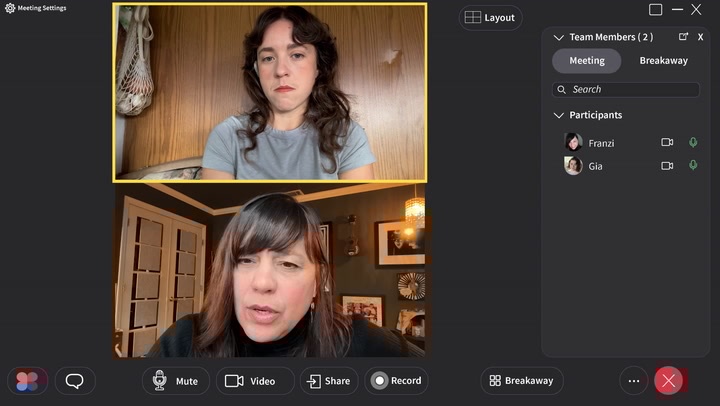
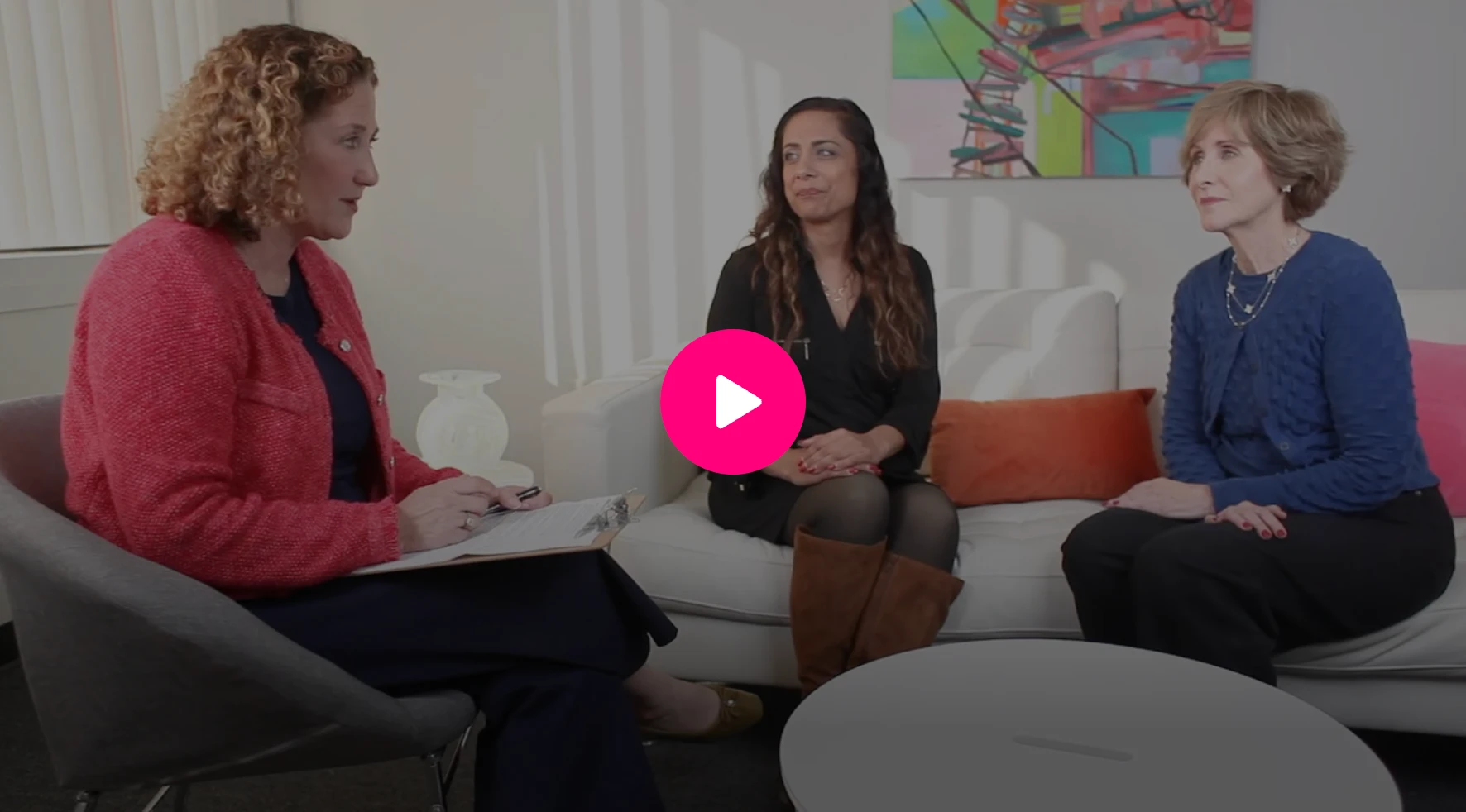
In this video, Emtrain Founder and CEO Janine Yancey sits down with two experienced workplace investigators—Allison West, Esq., SHRM-SCP, AWI-CH, and Sejal Thakkar—to unpack common misconceptions about harassment complaints and what investigators actually see in the field.
Their conversation reinforces a critical lesson taught throughout Emtrain’s Preventing Workplace Harassment course: harassment is often nuanced, context-dependent, and preventable when organizations invest in strong culture skills and intentional leadership.
Janine opens the discussion by addressing a common assumption—that harassment cases are clear-cut situations involving intentionally harmful actors. Allison challenges this notion directly, explaining that most claims arise from situations where someone made an inappropriate comment, crossed a boundary, or violated a policy without fully understanding the impact of their behavior.
Rather than labeling people as “good” or “bad,” investigators focus on behavior, context, and perception. A joke that feels harmless to one person may feel demeaning or exclusionary to another. Someone may misread the room, underestimate the power they hold, or fail to recognize how their words land with colleagues from different backgrounds.
These situations are often preventable—not through punishment, but through awareness. When employees learn to pay closer attention to social dynamics and recognize when humor, commentary, or feedback crosses a line, many complaints never materialize in the first place.
A key theme investigators emphasize is perspective. As Allison notes, put three people in a room and you’re likely to get three different interpretations of the same interaction. What matters in an investigation isn’t proving intent—it’s understanding how behavior was experienced and whether it violated policy or created harm.
Harassment claims often emerge not because someone wanted to offend, but because someone felt dismissed, marginalized, or disrespected—and didn’t feel safe addressing it informally. Investigators work to uncover these differing perspectives so situations can be addressed and resolved appropriately.
This reinforces an essential concept: impact outweighs intent, and understanding impact requires listening, empathy, and context.
Janine then turns to Sejal with a question many HR teams quietly ask: are some departments or individuals more likely to generate complaints?
Sejal explains that investigators often see patterns tied to culture skills gaps. Teams with weaker interpersonal skills, lower empathy, or poorly managed power dynamics tend to experience more conflict—and therefore more complaints. This doesn’t mean those teams are inherently problematic; it means they lack the tools to navigate differences, manage bias, and communicate effectively.
Managers play a particularly important role here. When leaders forget the power they hold—or fail to use that power intentionally—they can unintentionally reinforce in-group/out-group dynamics. Employees who feel excluded, overlooked, or marginalized are more likely to interpret behavior as hostile, especially when concerns go unaddressed.
On the flip side, teams that cultivate strong culture skills—empathy, awareness, accountability, and inclusion—tend to experience fewer escalations and healthier conflict resolution.
This conversation highlights several misconceptions investigators encounter repeatedly:
Emtrain’s Preventing Workplace Harassment course is designed around exactly these insights. Rather than focusing solely on compliance checklists, the course teaches employees and managers how social dynamics, bias, power, and intent intersect in real-world situations.
Learners are trained to:
For HR professionals and workplace investigators, this training provides critical context for understanding how and why complaints arise—and how proactive education reduces investigative burden over time.
This video encourages organizations to reflect on three important questions:
The answers lie in strengthening culture skills, being intentional with power, and fostering environments where employees feel heard before issues escalate.
Harassment is rarely about villains and victims—it’s about people navigating complex social dynamics at work. As these workplace investigators make clear, context matters, perception matters, and awareness can prevent harm.
By educating teams on how harassment often starts—and equipping managers with the skills to bring people together—organizations can reduce conflict, improve trust, and create safer, more respectful workplaces. That’s the goal of Emtrain’s Preventing Workplace Harassment training: not just compliance, but understanding.