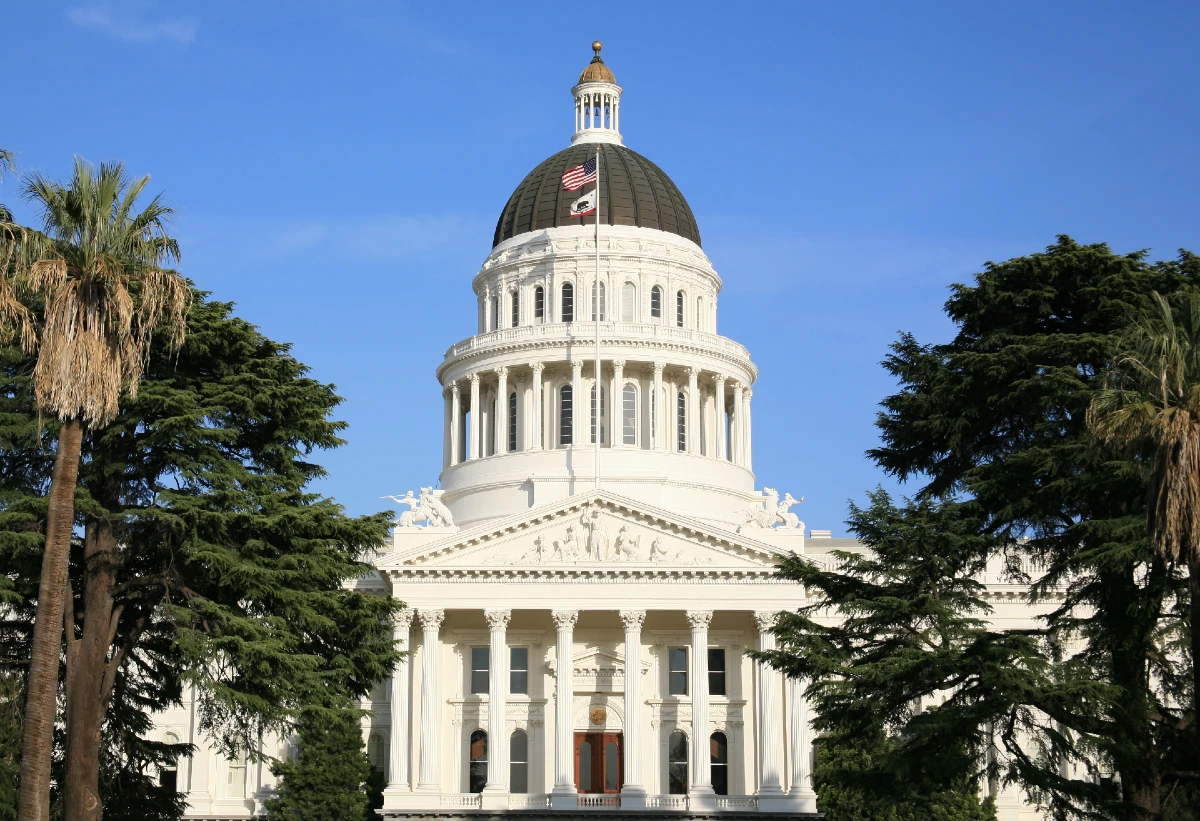
On September 27, 2026, Governor Newsom signed AB 1803, which amends California’s harassment prevention training requirements to include an anti-hate speech component starting January 1, 2028.
This new regulation will help to address a growing trend we’ve been observing in Emtrain’s dataset: a stark increase in workplace conflict due to social and political issues. Even before this law was passed, Emtrain started production on a video scene illustrating hate speech in the workplace because of the growing conflict on social and political issues that we’re seeing in our data. Below I’ll share more information on the new requirements, the broader trend, and what organizations should be doing now, even before the 2028 implementation of anti-hate speech training.
What AB 1803 Requires
The operative language is in new paragraph (4)(A):
Beginning January 1, 2028, an employer shall also include anti-hate speech training as a component of the training and education specified in paragraph (1). Anti-hate speech training shall provide supervisors and employees with practical guidance on recognizing, reporting, and confronting workplace speech that vilifies, humiliates, or incites hatred against people based on the protected characteristics listed in subdivision (a) of Section 12940.
Three features stand out to me:
- Anti-hate speech training is a component of harassment training, not a separate course. The training is folded into the existing harassment prevention requirement. Thus it doesn’t present an additional burden to employers who are already approving and deploying harassment training on an annual or biennial basis.
- It is skills-based. The statute compels “practical guidance” on recognizing, reporting, and confronting workplace speech that vilifies, humiliates, or incites hatred. This definition will be useful to employees as well as employee relations teams, as it will help clarify what type of comments should be deemed hateful.
- It is tied to protected characteristics. The reference to Section 12940(a) means race, national origin, religion, gender, age, sexual orientation, and the other categories FEHA already protects.
The Rise of Hate Speech and Workplace Conflict
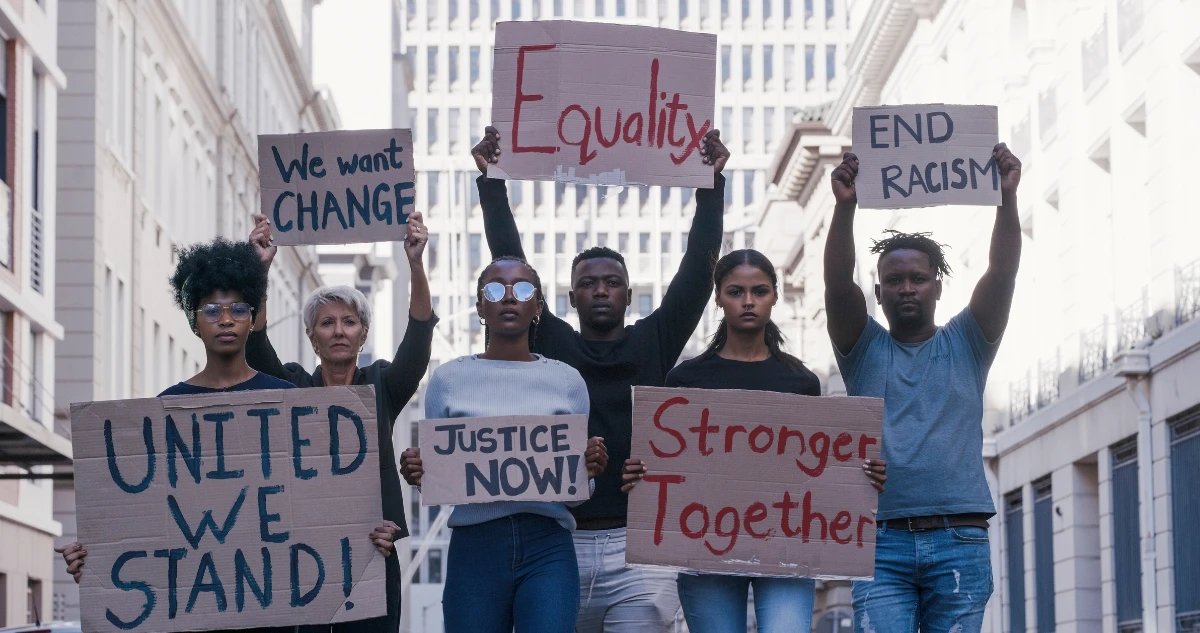
As we reported in Emtrain’s 2026 Workplace Culture Report, one of the most alarming trends identified in our data is the significant rise in conflict between co-workers due to differing social and political views. As we had predicted, political polarization infiltrated the workplace, transforming professional environments into battlegrounds for social tensions and fundamentally disrupting harmony and relationships among colleagues. The trend has continued throughout the year. We’re seeing increased conflict due to differing social and political views observed across most countries, across industries, roles, and seniority levels.
Social Media and Digital Communication Speed It Up
I have to think that social media is propelling much of this conflict, and particularly hate speech because algorithms are tuned to heightened emotion. Anonymized user profiles on a variety of platforms have also emboldened people to post reactions and comments that they might not have before, and those once ‘alternate’ viewpoints are now immediately reinforced by others with similar views.
Employees who have exercised their opinions in anonymous forums on social media are now more likely to repeat those reactions in posts on their personal accounts, which can reach coworkers and clients. Plus people text, chat, and message all day, and they forget they’re at work. The casual, sometimes snarky habits they develop in personal messaging have begun to infiltrate workplace communication.
Compounding the issue: employees frequently believe the First Amendment protects them at work. But it does not.
Where Hate Speech Becomes a Legal Claim
By definition, hate speech refers to a protected characteristic, like race, age, gender, national origin, or religion, which means that it converts quickly from a conduct problem to a discrimination or harassment claim.
The First Amendment protects people from government action and criminal prosecution. It does not govern workplace speech, and employers may set their own standards for respectful communication and enforce them, up to and including termination.
Ideally, organizations can catch the rise of hateful speech and other negative and harmful comments early. They can use a system, like Emtrain’s Workplace Color Spectrum, to train employees to speak up and maintain a respectful workplace.
Beyond the legal risk, hateful speech undermines interpersonal relationships, teamwork, collaboration, motivation, and productivity – long before anyone files a complaint. That’s why now is the time for Employee Relations teams Communications teams to act.
What HR and Compliance Teams Should Do Now
- Update your policies. Confirm that your social media policy and digital communications expectations address personal accounts, private chat channels, and emoji use, and that they state plainly that the First Amendment does not set the standard at work.
- Prepare crisis handling protocol. Determine how you will handle an incident of hate-speech so you can act immediately and not let bias impact your decision-making around discipline or termination.
- Communicate expectations directly. A workforce message on civility from senior leadership, tied to your policies and your disciplinary process, sets the tone before an incident forces the conversation. Consider putting this out now, ahead of US midterm elections.
- Equip managers first. Supervisors are the first responders. If they lack the skills to handle an uncomfortable exchange, problems escalate or go unreported.
- Teach confrontation, not just recognition. Most employees can identify a slur. Far fewer know what to say in the moment, or how to report it. Give them language and practice.
- Audit current training content. Map what your harassment prevention program teaches today against what it will need to cover to meet the new anti-hate speech regulation.
- Establish a way to measure. Determine how to track behavioral indicators so you can proactively investigate and remediate locations, departments, or individual bad actors who engage in hate-speech.
Training That Changes and Measures Behavior
The most effective programs teach specific, observable skills, use realistic scenarios drawn from how people actually communicate now, and give employees the chance to practice judgment. They also generate data. This is why I built Emtrain. I firmly believe that when you can measure how employees recognize and respond to conduct, you can identify where risk is concentrated and address it before it becomes a claim.
That is the benefit to the employer beyond compliance: fewer complaints, stronger collaboration, and evidence that your program is working.
At Emtrain, we update our harassment prevention course, Preventing Workplace Harassment, every year, and our content already addresses these issues, including digital communications and the limits of First Amendment rights at work. AB 1803 formalizes a subject that we believe responsible employers have needed to address for some time.
The Takeaway
AB 1803 asks employers to prepare people for a problem they are already facing. The organizations that treat it as a behavior change opportunity, rather than a checkbox, will be better positioned in 2028 and in the years before it.
Employers in other states should pay attention as well. California’s harassment training requirements have often served as a template for what comes next.