Home » Video Library » Generational Communication Differences at Work: Avoiding Conflict
Today’s workplace brings together multiple generations, often working side by side for the first time. Gen Z, Millennials, Gen X, and Baby Boomers all bring different experiences, expectations, and communication habits shaped by how and when they entered the workforce. While these differences can strengthen teams, they can also create misunderstanding if people assume their own way of working is the “right” or most professional approach.
This video scenario explores how generational communication styles can lead to frustration or conflict when they are not acknowledged. It also reinforces a core lesson from Emtrain’s Inclusion Training Course: differences in how people communicate are not problems to fix. They are opportunities to learn, adapt, and collaborate more effectively.
Generational communication preferences are often influenced by technology, workplace norms, and expectations around productivity.
For example:
None of these approaches are inherently better than the others. Problems arise when people interpret different styles as resistance, disengagement, or lack of professionalism.
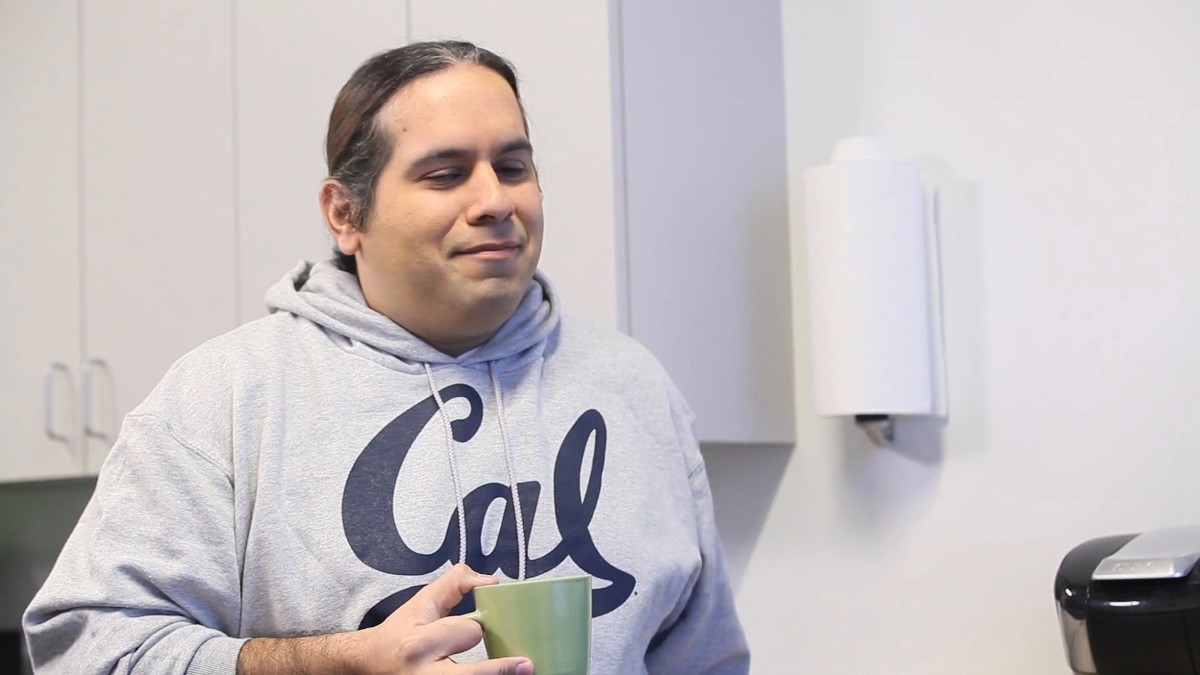
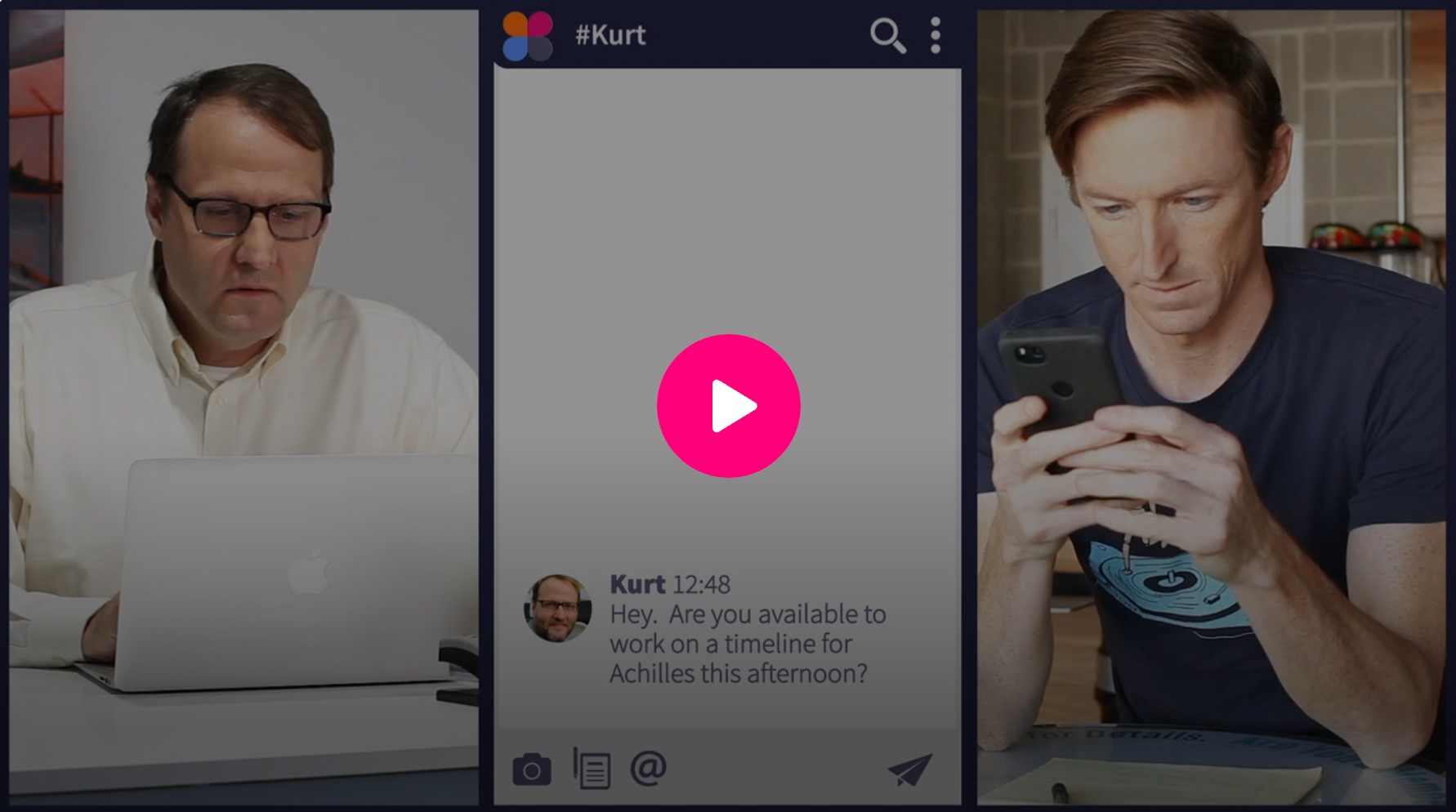
In the video, Kurt reaches out to Joe by text to see if he is available to work on a timeline for an upcoming project. Joe responds by questioning whether the team is ready to take that step yet. Kurt suggests getting on a call to talk it through.
Joe declines the call and suggests looping in another colleague through Slack instead. Kurt again proposes a call with all three participants and shares his availability. Joe does not respond.
On the surface, nothing inappropriate happens. There are no insults, raised voices, or policy violations. However, the interaction feels tense and unproductive. Each person believes they are communicating clearly, yet neither feels heard.
Kurt appears to favor a direct and synchronous communication style, which is often associated with Gen X or early Millennial workplace norms. For him, a live conversation likely feels efficient, respectful of deadlines, and aligned with moving the project forward quickly.
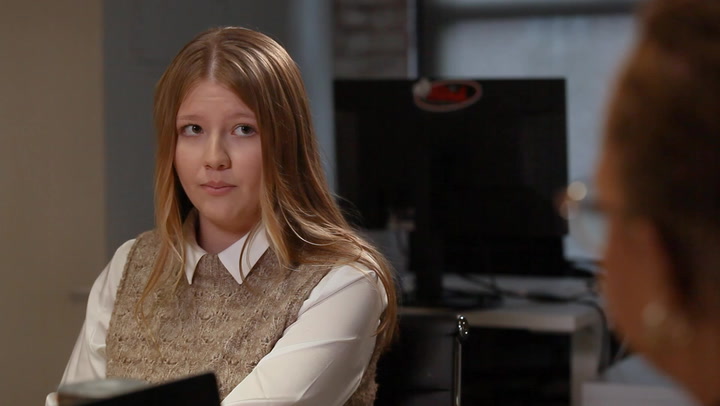
Joe seems more comfortable with an incremental and asynchronous approach, which is common among Gen Z and younger Millennials. He wants to gather information, involve others, and think through next steps before committing to a live discussion.
Both approaches can be effective. The issue is not the style itself, but the lack of shared understanding.
The breakdown occurs because neither person explains how they work or asks about the other’s preferences.
Kurt continues to suggest a call without explaining why that format is helpful for him. Joe resists the call without explaining why written or asynchronous communication works better for his process.
Without that context, each person may make assumptions. Kurt may see Joe as unresponsive or avoidant. Joe may see Kurt as pushy or inflexible. Over time, these assumptions can harden into frustration and conflict.
This is how small moments turn into larger interpersonal issues.
This situation could have shifted with a simple clarification.
Kurt could have said, “I find it easier to align quickly on a call. Would that work for you, or is there another way you prefer to collaborate?”
Joe could have responded, “I like to think things through asynchronously first. Can I draft some initial thoughts and then we decide if a call makes sense?”
By naming preferences instead of assuming intent, both employees would have created space for understanding. Inclusion does not require everyone to communicate the same way. It requires explaining how you work and being open to how others work.
Generational differences often show up most clearly in communication style. Some employees were trained in environments where face-to-face conversations were the norm. Others entered the workforce in digital-first settings where collaboration happens over time and across platforms.
When these differences are not acknowledged, people may mistake style for attitude. Directness can be misread as impatience. Thoughtful pacing can be misread as indecision.
Learning to recognize these differences helps teams reduce friction and build trust.
For Employees
For Managers
In Emtrain’s Inclusion Training Course, this lesson reinforces that inclusion shows up in everyday interactions. The course teaches teams how to recognize generational differences in communication, respond without judgment, and adapt their approach to work more effectively together.
Inclusion is not about changing who people are. It is about building awareness, flexibility, and mutual respect so teams can collaborate without unnecessary conflict.
Every generation brings valuable perspectives and strengths to the workplace. When teams pause to understand how others communicate and why, they turn potential friction into learning.
By choosing curiosity over conflict and clarity over assumptions, organizations create more inclusive, collaborative, and high-performing workplaces where everyone can do their best work.