Home » Video Library » Hostile Work Environment: When Gender-Based Comments Cross the Line
A hostile work environment is not defined by a single word, joke, or awkward moment—it is defined by unwelcome conduct based on a protected characteristic that changes the nature of the work environment. This conduct must be serious enough to interfere with an employee’s ability to work or make the environment intimidating, demeaning, or offensive. When an employer knows—or should have known—about the conduct and fails to address it, the situation can rise to the level of a hostile work environment.
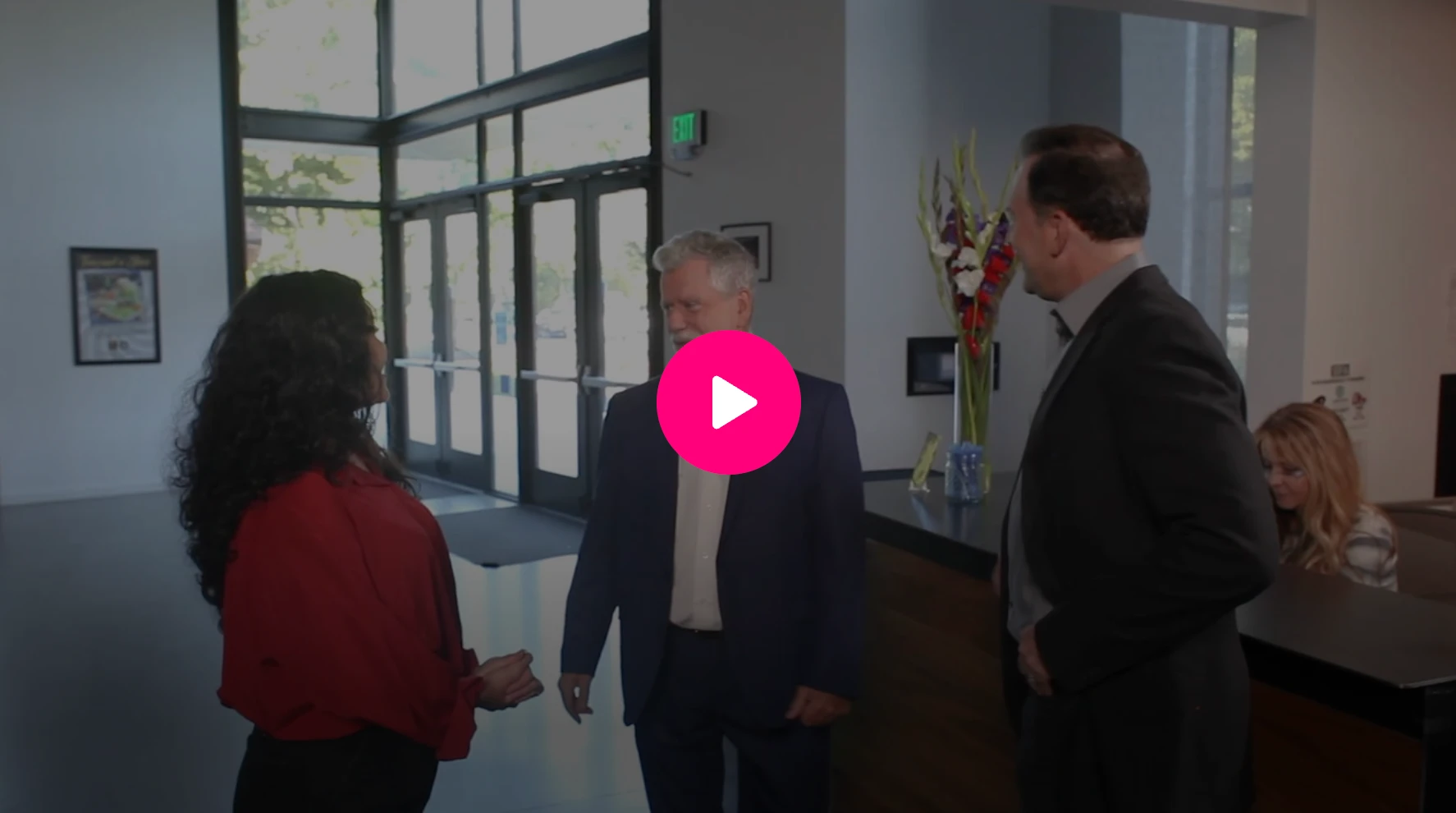
This video scenario explores how gender-based comments, even when framed as humor or compliments, can cross that line. It demonstrates how workplace culture, power dynamics, and normalization of bias all play a role in determining whether behavior is viewed as “orange” or escalates into “red.”
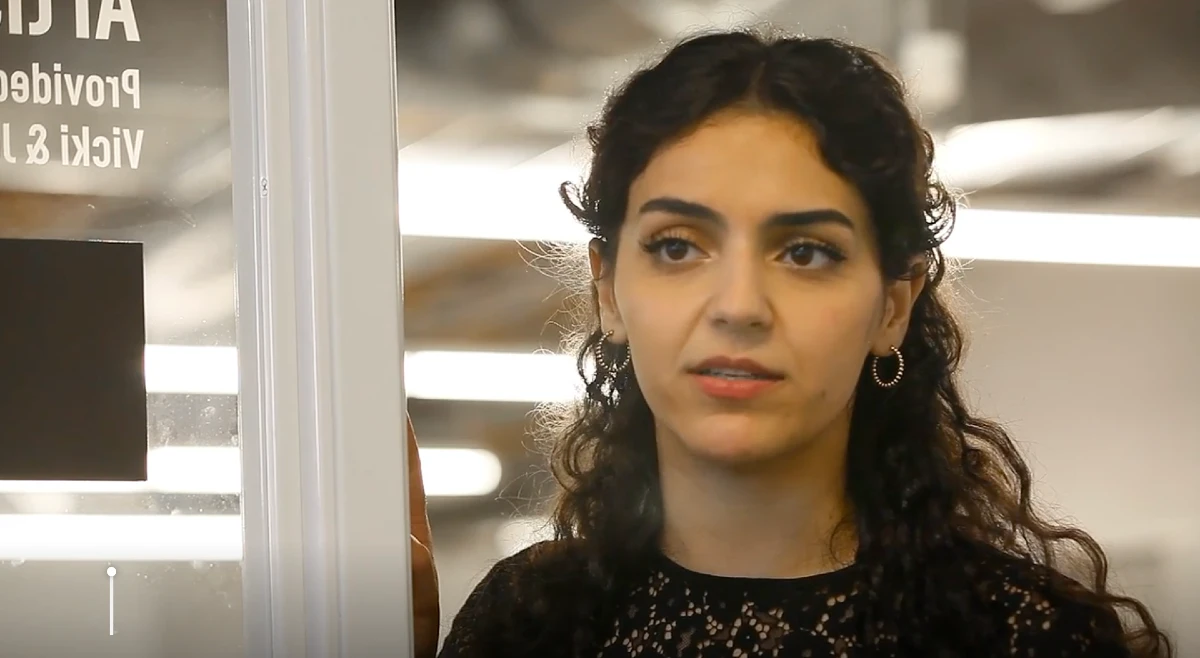
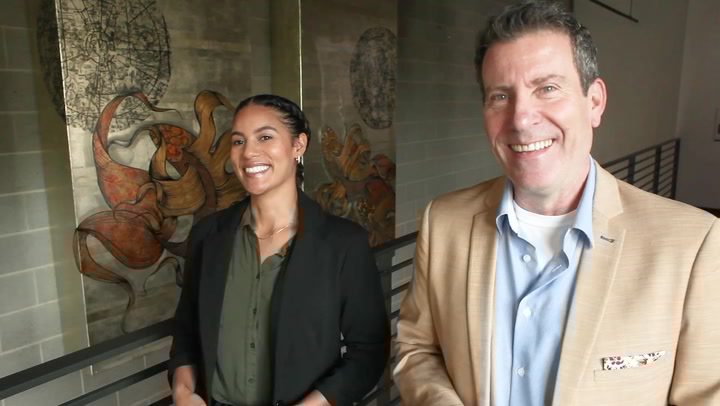
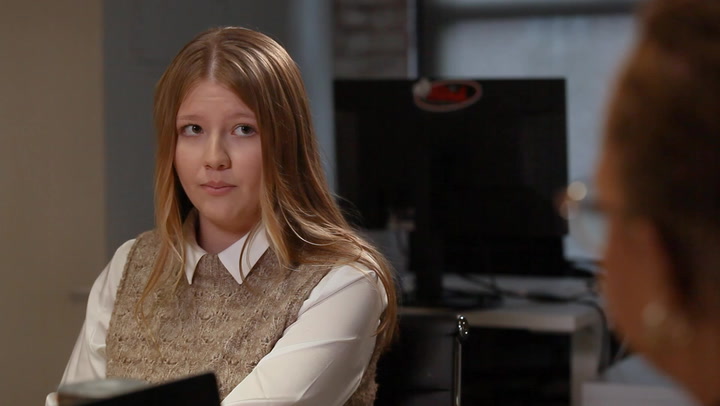
The scenario begins in a professional setting where Stephanie, a high-performing employee, and her supervisor, Dirk, are meeting with a client, Ruben. Ruben opens the interaction by thanking both Stephanie and Dirk for delivering strong results. He then directly compliments Stephanie’s work, acknowledging the scope of the project and expressing genuine respect for her performance.
At this point, Dirk interjects. Instead of reinforcing Stephanie’s professional achievement, he makes a gender-based comment, suggesting that she “deserves a spa day.” Stephanie immediately reacts—her body language clearly signaling shock and discomfort. Recognizing the misstep, Dirk tries to walk the comment back by doubling down: “Spa day? Mani? Pedi?” framing the idea as a bonus.
Ruben attempts to redirect the situation by suggesting a more traditional bonus. Stephanie reinforces that correction, clearly indicating that Dirk’s comment was inappropriate—especially in front of a client.
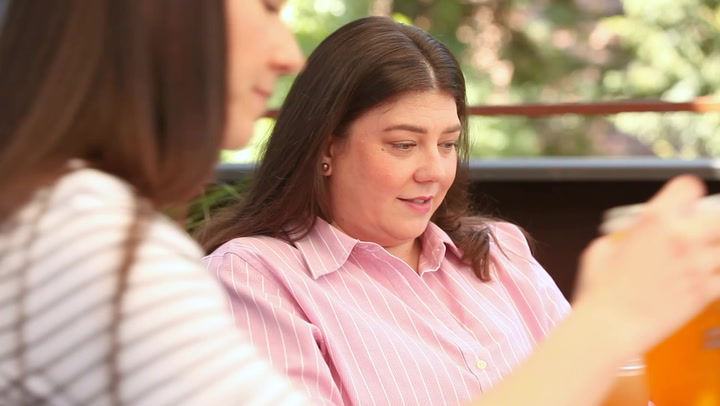
Later, Stephanie confronts Dirk privately. She finds him joking around with a coworker, Jim, rather than reflecting on what happened. When she raises the issue, Dirk minimizes it, describing his earlier comment as “kidding… kind of.” Jim attempts to help but inadvertently reinforces the same gender stereotypes by guessing at what “women love,” prompting Stephanie to sarcastically spell out “Jimmy Choo’s.”
Stephanie then makes the issue unmistakably clear: she does not want stereotypical gifts or gendered jokes—she wants fair compensation and respect. Her frustration boils over, and she leaves the conversation. Dirk’s final remark—“I thought you ladies like spa days”—reveals that he still does not understand the problem.
This sequence shows how repeated gender-based comments, minimization, and normalization can combine to change the nature of the work environment.
A hostile work environment involves unwelcome conduct that:
In this scenario, Dirk’s comments are not isolated. The initial comment occurs in front of a client, undermining Stephanie’s professionalism. The follow-up conversation shows that Dirk does not recognize the harm, and Jim’s participation reinforces the same stereotypes. Together, these moments can be viewed as either:
Reasonable people—and juries—could interpret this behavior differently depending on context, frequency, and how leadership responds.
One of the most common questions in harassment prevention is: When does offensive conduct actually change the work environment?
The answer depends on jurisdiction:
What matters most is impact over intent. Even comments framed as jokes, praise, or “bonuses” can cross the line if they reinforce stereotypes, diminish professionalism, or make someone feel disrespected because of a protected characteristic.
Hostile work environments often form not from one extreme act, but from patterns of normalized behavior. When jokes, stereotypes, or dismissive responses go unchallenged, they send a message about what is acceptable.
This scenario shows how:
Emtrain’s Preventing Workplace Harassment course teaches that a hostile work environment can be created through verbal, physical, or visual conduct—and through everyday interactions that diminish respect and inclusion.
A hostile work environment is unwelcome conduct based on a protected characteristic that negatively impacts workplace culture, and that is known—or should be known—by the employer, who does not stop it. This video helps learners recognize how easily that threshold can be crossed when bias is minimized or normalized.
Respectful workplaces are built on accountability, awareness, and action. This scenario reminds us that comments don’t need to be explicit slurs to be harmful. When gender-based assumptions are repeated, dismissed, or defended, they can fundamentally change how safe and valued someone feels at work.
Understanding what creates a hostile work environment—and intervening early—protects employees, strengthens culture, and reinforces the standards every workplace should uphold.