Home » Video Library » Off-Duty Conduct: How Upstanders Help Prevent Workplace Harassment
Workplace culture is shaped not only by policies and leadership, but by how employees respond when they witness inappropriate or uncomfortable behavior. In moments of misconduct, people often fall into one of two roles: bystanders, who notice the behavior but do nothing, and upstanders, who take action to interrupt harm, support others, and reinforce respectful norms.
This video scenario illustrates how an everyday off-duty social situation can quickly cross professional boundaries—and how one employee’s decision to step in transforms the outcome. It reinforces a core principle from Emtrain’s Preventing Workplace Harassment course: upstander behavior is one of the most effective ways to prevent harassment from escalating and to build a culture of accountability and safety.
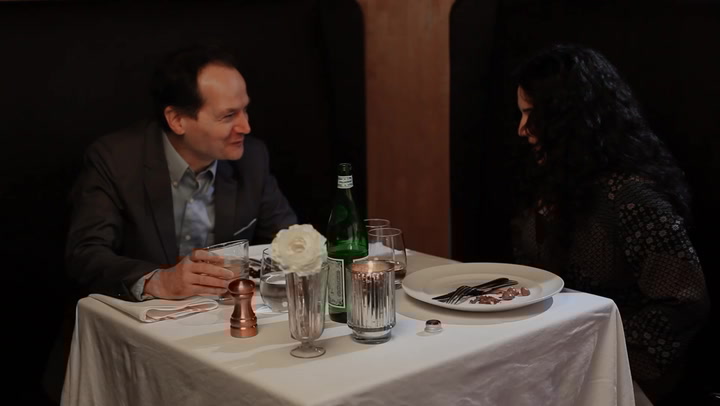
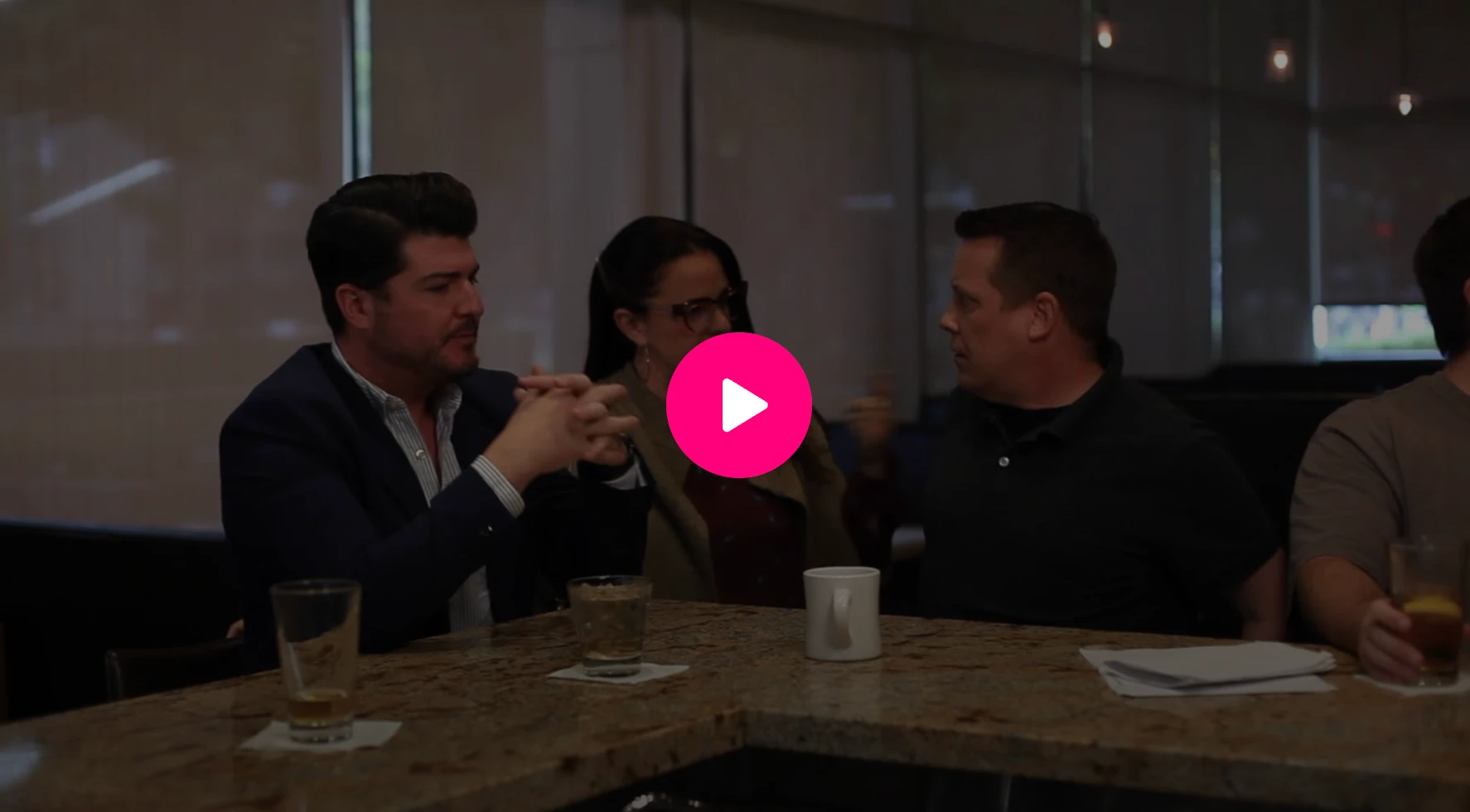
The scene opens at a restaurant bar in the afternoon, where three coworkers—Julie, Pierce, and Scott—are unwinding after a demanding week. The mood is relaxed and celebratory. They toast their success, chat casually, and enjoy their drinks. At this point, nothing seems out of place.
After some time passes, Julie announces she needs to leave to take care of her children. She steps away from the table to make a phone call. This moment is important: the dynamic shifts once she is no longer present.
Scott turns to Pierce and suggests they continue the evening together, proposing a visit to a nearby nightclub. Pierce politely declines, explaining he has other responsibilities and doesn’t really drink. Scott persists, minimizing Pierce’s response and continuing to push the invitation.
The interaction escalates when Scott leans in, places his hand on Pierce’s leg, and squeezes it. Pierce is visibly uncomfortable. His body language changes—he stiffens, looks down at Scott’s hand, and attempts to deflect without directly confronting him. Scott, however, ignores the discomfort and continues pressuring Pierce.
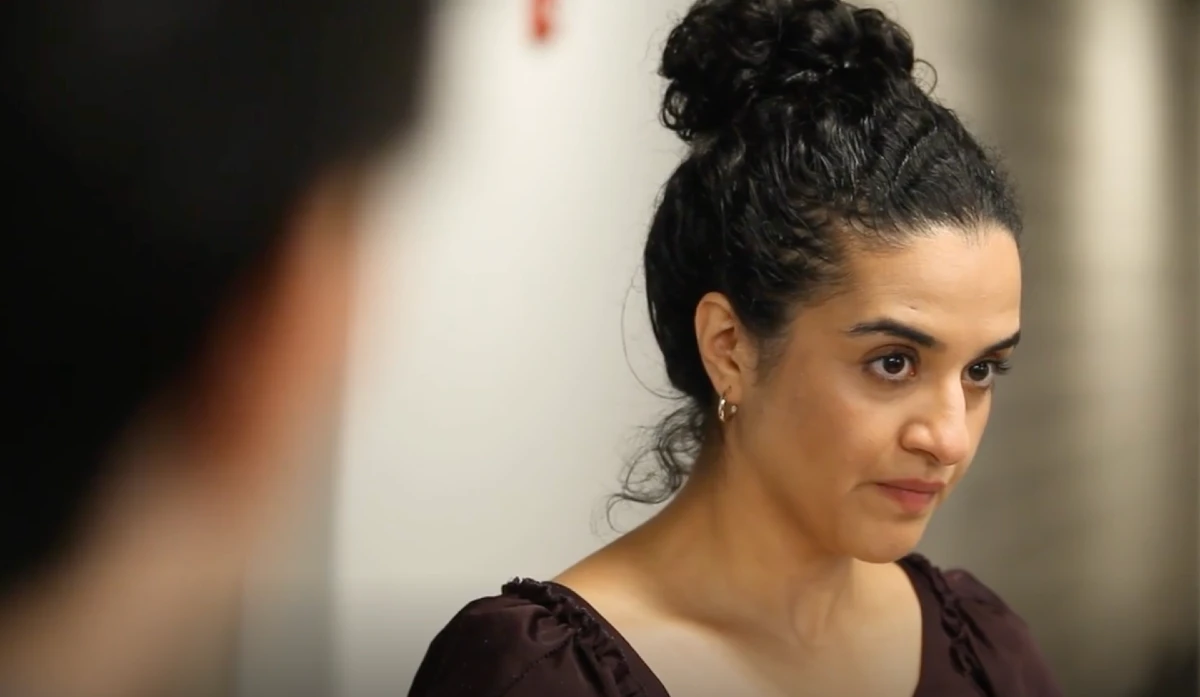
Julie finishes her phone call and turns back toward the table. She immediately notices the shift in body language and sees Scott’s hand on Pierce’s leg. In that moment, Julie is faced with a choice: ignore what she sees, assume it’s harmless, or step in.
She chooses to act.
Julie positions herself between the two men and casually but deliberately asks Pierce if he would walk her to her car since they parked near each other. Pierce immediately agrees. As they leave, Julie looks directly at Scott and says a pointed, firm “Goodnight,” signaling clear disapproval of his behavior.
Once outside, Julie checks in with Pierce, telling him plainly that what she witnessed was “gross” and asking if he’s okay. Pierce initially downplays the incident, saying it’s “not that bad” and expressing reluctance to make a big deal out of it. Julie listens, validates his feelings, and gently encourages him to consider reporting the behavior, offering her support either way.
By the end of the conversation, Pierce acknowledges that Julie is right. He accepts her support and thanks her for having his back.
This scenario demonstrates how harassment and boundary-crossing behavior often unfold incrementally and in informal settings—especially when people believe they are “off the clock.” Scott’s behavior may not have started aggressively, but it quickly crossed physical and professional boundaries.
Importantly, Pierce did not loudly object or explicitly tell Scott to stop. This is common. Targets of inappropriate behavior may freeze, deflect, minimize, or attempt to escape the situation quietly. Silence or nervous laughter does not equal consent or comfort.
Without intervention, behavior like this can:
Julie’s response changes that trajectory.
Pierce clearly experiences discomfort, even though he struggles to name it in the moment. His instinct to minimize the behavior and avoid conflict reflects a common fear: that speaking up will make things worse or cause social fallout.
Scott ignores verbal and non-verbal cues. His persistence, physical contact, and dismissal of Pierce’s boundaries demonstrate how inappropriate behavior can be framed as “just joking” or “no big deal” by the person engaging in it.
Julie models effective upstander behavior:
Her actions send a powerful message: this behavior is not acceptable, and Pierce is not alone.
Julie does not shame Scott publicly or confront him aggressively. Instead, she:
Upstander intervention doesn’t require confrontation or perfect words. It requires awareness, willingness, and follow-through.
When people witness inappropriate conduct and say nothing, it can:
Upstanders raise norms by making it clear—through words or actions—that disrespect is not tolerated.
Emtrain’s Preventing Workplace Harassment course emphasizes that preventing harassment is a shared responsibility. While organizations need strong policies and responsive managers, everyday culture is shaped by how employees treat one another in real time.
This video reinforces that:
By stepping in, Julie helps prevent escalation, supports her coworker, and reinforces a culture of respect and accountability.
Being an upstander helps create a workplace where respect and inclusion thrive. When employees address behavior that crosses boundaries, they show that harassment and exclusion are not tolerated—and that people will be supported when they speak up.
This scenario demonstrates that upstander behavior doesn’t require authority or confrontation. It requires awareness, empathy, and action. By choosing to step in, Julie helps create a safer, healthier, and more collaborative work environment—one moment at a time.