Home » Video Library » Manager Responsibility: Reporting Harassment and Misconduct
Managers play a uniquely powerful role in shaping workplace culture. More than any policy or training module, a manager’s actions signal what behavior is acceptable, what conduct will be addressed, and what issues may be ignored. Because of this influence, managers carry a specific legal and cultural responsibility: the duty to report and respond to potential harassment or inappropriate conduct.
This video scenario illustrates how a manager should respond when an employee raises a concern—even when the employee is hesitant, downplays the issue, or asks that “nothing happen.” It reinforces a core lesson from Emtrain’s Preventing Workplace Harassment course: once a manager knows about potential misconduct, they are obligated to act.
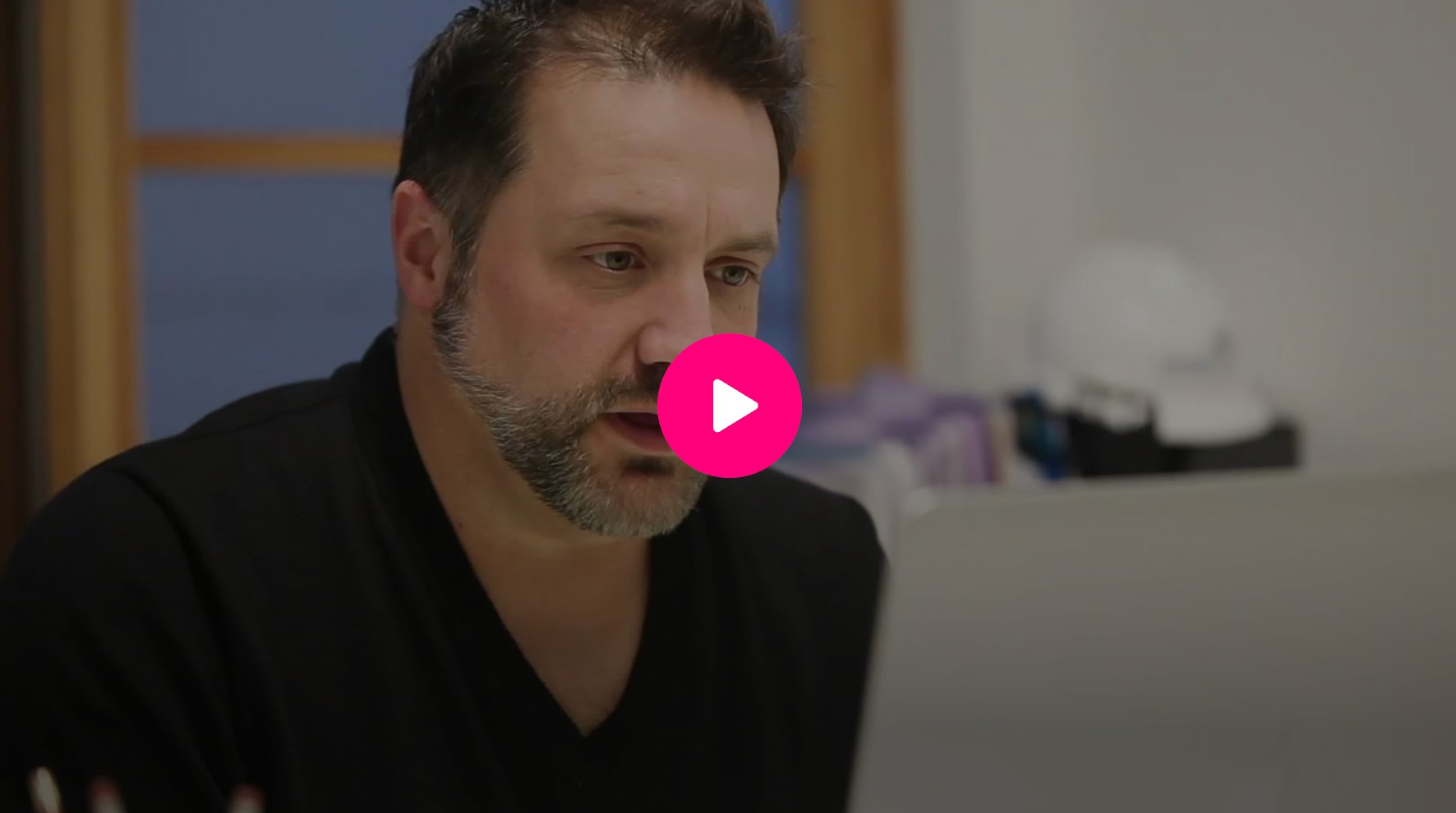
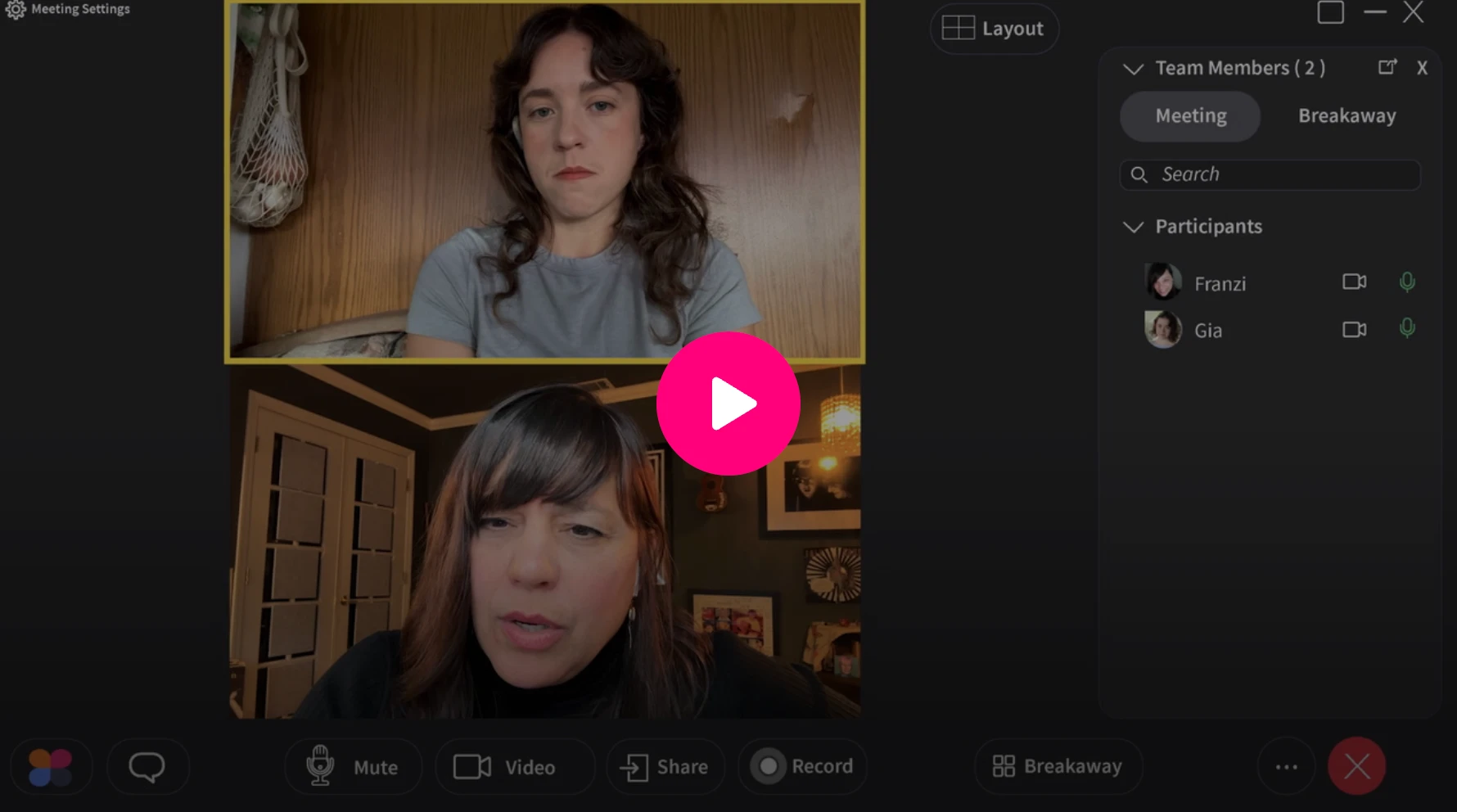
The scene opens with a virtual meeting between Gia, an employee, and her supervisor, Franzi. Gia begins the conversation cautiously, thanking Franzi for meeting with her before raising a concern about a coworker named Tom.
Gia explains that Tom frequently refers to her as “darlin’” and “sweetheart.” She clarifies that the behavior isn’t directed at male employees—it’s limited to women. Franzi immediately recognizes the issue, noting that the behavior is not appropriate.
However, Gia hesitates. She explains that she doesn’t want Tom to “get in trouble” and suggests that he may not mean anything by it. She also mentions that other women don’t seem to mind, further minimizing the concern.
Rather than dismissing the issue or accepting Gia’s reluctance as a reason to do nothing, Franzi asks clarifying questions. She confirms that:
Franzi then explains something critical: even if others appear unbothered, discomfort expressed by one employee is enough to require action. She reassures Gia that she will address the behavior, that Tom does not need to know who raised the concern, and that it does not need to be treated as a dramatic escalation—but it does need to be corrected.
Franzi closes by thanking Gia for coming forward and asking her to follow up if the behavior continues.
This interaction demonstrates what effective managerial response looks like: listening, validating, clarifying, and acting.
Terms like “darlin’” or “sweetheart” may seem harmless to some people—especially if they are used casually or framed as friendly. However, when those terms are:
they can contribute to a disrespectful or hostile work environment.
Importantly, intent does not override impact. Even if Tom believes he is being friendly, the effect of his behavior—particularly when it is gendered—is what matters.
This scenario highlights the two core responsibilities managers have when they become aware of potential misconduct.
Managers are required to report and address possible harassment or inappropriate conduct—even if:
Legally, employers are considered aware of anything their managers know or reasonably should know. Ignoring a problem is not an option—and waiting for it to escalate only increases risk and harm.
In this scenario, Franzi correctly recognizes that once Gia raised the issue, action was required.
Managers don’t just enforce rules—they set norms.
How Franzi responds sends a clear message:
By addressing the issue calmly and professionally, Franzi reinforces a green culture—one rooted in respect, accountability, and consistency.
Franzi demonstrates several best practices emphasized in Preventing Workplace Harassment training:
This approach balances empathy with responsibility—exactly what is expected of managers.
This situation could easily have gone off track if Franzi had:
Each of these responses would have weakened behavioral norms and increased organizational risk.
Managers are culture keepers. Their role is not just to put out fires, but to prevent them by addressing issues early.
Being a culture keeper means:
This takes discipline, patience, and consistency—but it’s essential to building high-performing teams.
This scenario reinforces a practical checklist managers should follow:
Emtrain’s Preventing Workplace Harassment course emphasizes that managers are not optional gatekeepers—they are required participants in maintaining a respectful workplace. This video illustrates how effective intervention doesn’t require confrontation or punishment, but it does require action.
Listening is not enough. When managers become aware of potentially inappropriate behavior, they must act—thoughtfully, promptly, and consistently. This scenario shows how addressing issues early protects employees, strengthens culture, and reinforces trust.
By understanding and embracing their duty to report, managers help ensure that respect isn’t just encouraged—it’s enforced.