Home » Video Library » Recognizing Racial Bias and Harassment in the Workplace
Race is often one of the most immediately visible aspects of a person’s identity—and it is also a protected characteristic under workplace anti-harassment and anti-discrimination laws. Because of this, race-based harassment remains one of the most frequently reported workplace issues. While many people do not intend to offend, even casual remarks, jokes, or teasing related to race or ethnicity can quickly make coworkers feel excluded, minimized, or treated as part of an “out-group.”
This video scenario explores how joking, banter, and poorly handled feedback in a team setting can unintentionally reinforce racial stereotypes, trivialize lived experiences, and create discomfort—even when no one believes they are being harmful. It reinforces a core lesson from Emtrain’s Preventing Workplace Harassment course: intent does not outweigh impact.
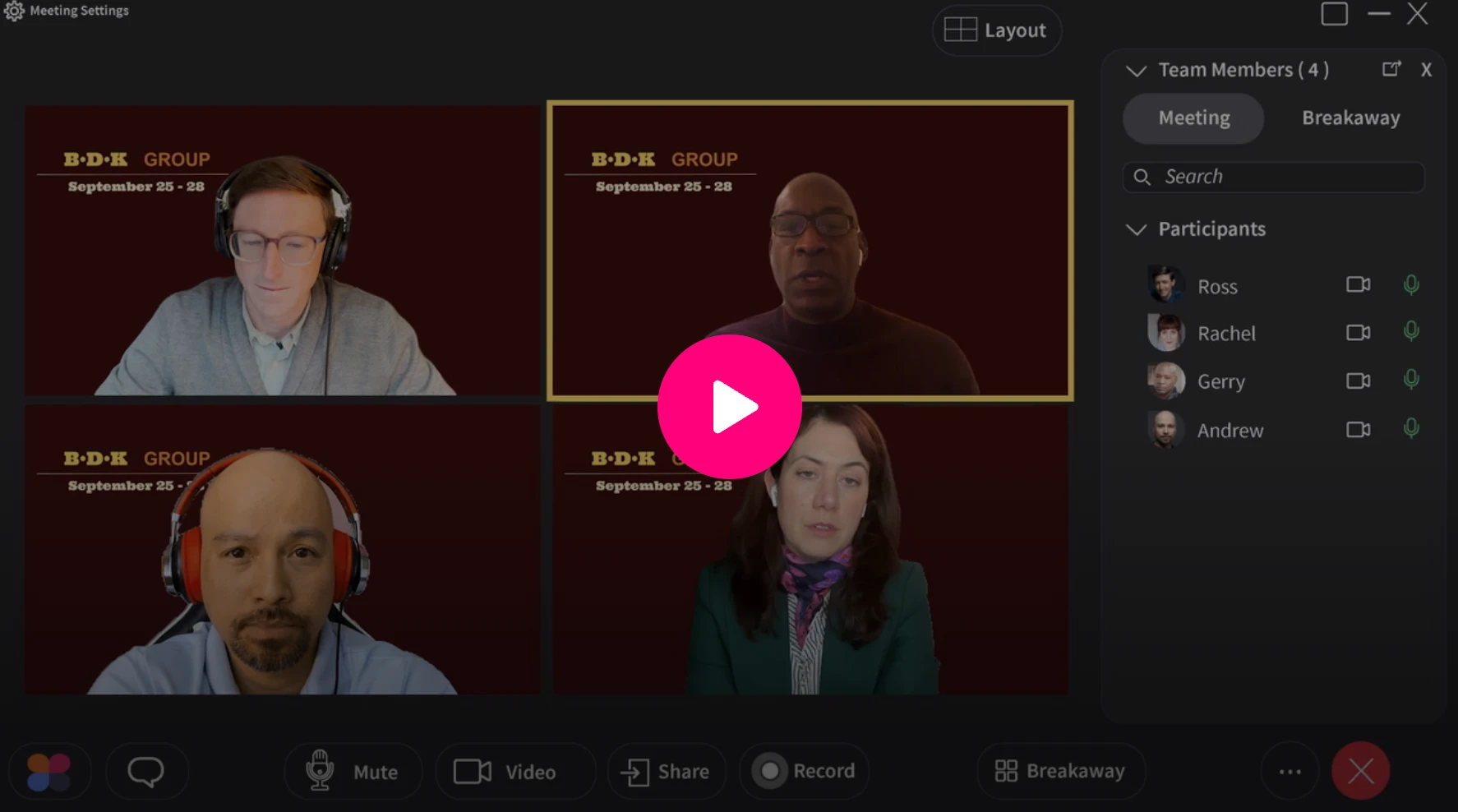
The scene opens on a video conference call with a diverse four-person team preparing for an upcoming event. Ross, the manager, is leading the meeting. Rachel, Gerry, and Andrew are all participating, each joining with the same virtual background displaying the event branding.
Early in the conversation, Gerry raises a practical concern: the background does not display well for Black participants. Andrew quickly adds that it also does not work well for Asian participants. What begins as a legitimate technical issue quickly veers off course.
Gerry jokingly responds to Andrew that he looks “yellow,” referencing how the background affects his appearance. Although delivered casually, this comment echoes a racial slur historically used to demean Asian people. Andrew responds with visible surprise but keeps the tone light, signaling discomfort without confrontation.
Ross then interjects, attempting humor. He jokes that Gerry looks “invisible” and describes being startled when Gerry speaks, as if he “jumped out” at him. While Ross appears to believe he is keeping things light, his comments directly tap into harmful stereotypes of Black men being perceived as threatening or frightening.
Gerry responds with a pointed remark, explaining that people already cross the street to avoid him—an all-too-real experience for many Black men. Rather than pausing to reflect, Ross continues the banter, doubling down on the “invisible” joke. At this point, the exchange has moved far beyond humor and into territory that reinforces racial bias and dismisses Gerry’s lived experience.
Rachel, recognizing that the conversation has crossed a line, steps in decisively. She redirects the discussion, states that the background will be changed, and brings the meeting back on track. Ross reluctantly agrees and dismisses the moment as “no fun,” but the intervention stops the immediate harm.
No one in this scenario appears to intend harm. However, racial harassment often emerges not from overt slurs alone, but from repeated comments, jokes, or dismissive reactions that make someone feel different, less valued, or unsafe.
Several issues arise in this exchange:
Even when comments are laughed off, they can still cause harm. Employees may laugh to maintain professionalism or avoid conflict, not because they are unbothered.
Ross likely believes he is being playful and inclusive. However, as a manager, his words carry extra weight. His jokes dismiss the concerns raised and reinforce stereotypes rather than addressing the issue. Ross needs support in recognizing how humor can marginalize others—especially when he is in a leadership role.
Gerry raises a valid concern about visibility and inclusion. Instead of being taken seriously, his feedback becomes the subject of jokes. His response about people crossing the street reflects a painful, real-world stereotype about Black men. When those experiences are trivialized, it adds emotional labor and reinforces exclusion.
Being described as “yellow” is not harmless teasing—it is a racial slur rooted in discrimination against Asians. Andrew’s reaction suggests discomfort, but he may hesitate to push further, worried that speaking up could invite more insensitive comments or derail the meeting.
Rachel demonstrates upstander behavior. She recognizes the conversation has gone too far, validates the underlying issue by changing the background, and redirects the meeting. Her intervention models how to stop problematic behavior without escalating conflict.
It is human to notice race, and in some contexts it may be relevant to discuss. But when someone already feels like they don’t belong—or feels treated as part of an “out-group”—even casual references to race can intensify feelings of marginalization.
This scenario shows how quickly “joking around” can:
The impact of these moments accumulates over time.
Emtrain’s Preventing Workplace Harassment course teaches that harassment is not only about extreme or intentional misconduct. It often begins with everyday moments where people feel marginalized, dismissed, or treated differently.
When workplaces prioritize equity and inclusion, employees are more likely to interpret ambiguous situations with trust—and more willing to call out issues early. Upstanders like Rachel play a key role in raising behavioral norms and redirecting conduct before it escalates.
Respectful workplaces are built on more than good intentions. They require awareness, accountability, and a willingness to listen when others share their experiences. This scenario reminds learners that jokes about race—even when framed as playful—can have lasting impact.
By focusing on equity, inclusion, and upstander intervention, teams can ensure that everyone feels seen, heard, and valued—not marginalized or “othered.”