Home » Video Library » Recognizing Weight Stigma and Sizeism at Work
Weight stigma and sizeism remain some of the most normalized—and overlooked—forms of bias in the workplace. Although body size is a legally protected characteristic in only a few jurisdictions, the social and psychological impact of weight-based comments, assumptions, and decisions is well documented. This video scenario highlights how everyday conversations, compliments, and workplace decisions can unintentionally reinforce harmful stereotypes, exclude employees, and erode trust—even when no one intends to offend.
As you watch this interaction, you’re invited to reflect on whether you’ve ever said or heard something similar, and how those moments may have felt—both for the speaker and the person on the receiving end.
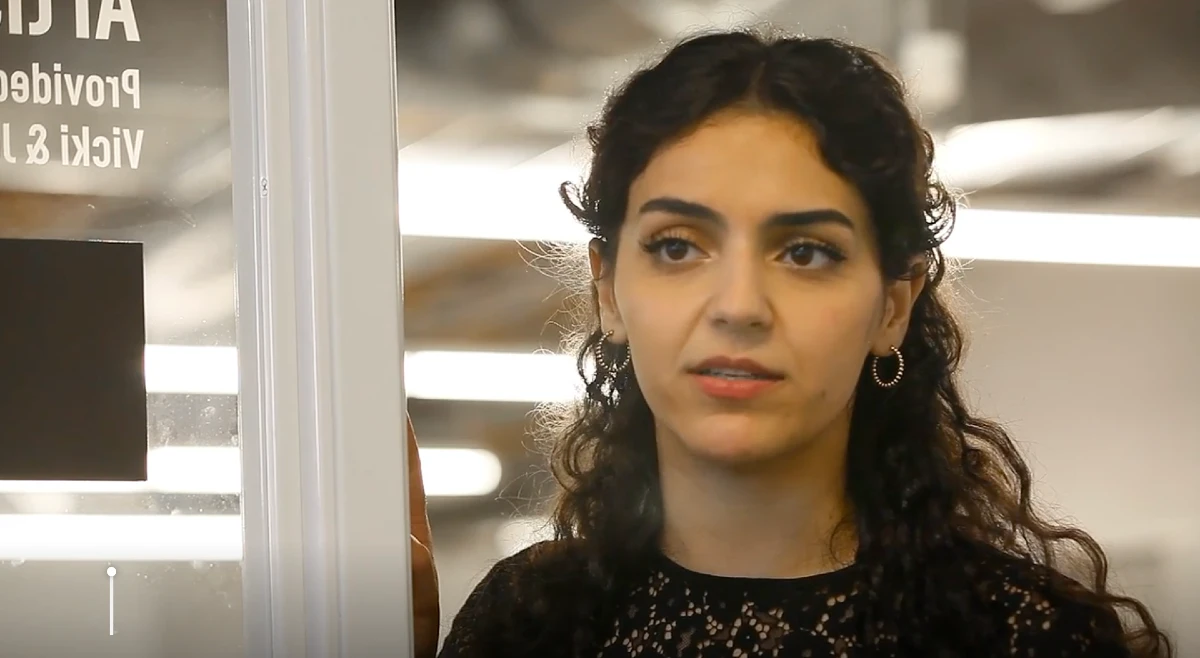
The scene opens with three coworkers—Julie, John, and Leslie—sitting together at an outdoor café table, preparing for an upcoming presentation. The conversation begins casually, centered around a popular TV show and an actress featured in a revealing scene. Leslie comments that the actress was “so brave” for showing her body. While this remark may seem complimentary on the surface, it subtly implies that people with larger bodies must overcome something shameful simply to be visible.
John responds dismissively, stating the actress isn’t really his type but is “kinda cute.” Leslie pushes back, calling the actress gorgeous—then adds, “Even at her size.” She follows this with a personal comment about her own body, saying she wouldn’t wear a bikini if she weighed more than 130 pounds. Although framed as self-criticism, the remark reinforces a narrow standard of acceptability around weight and appearance.
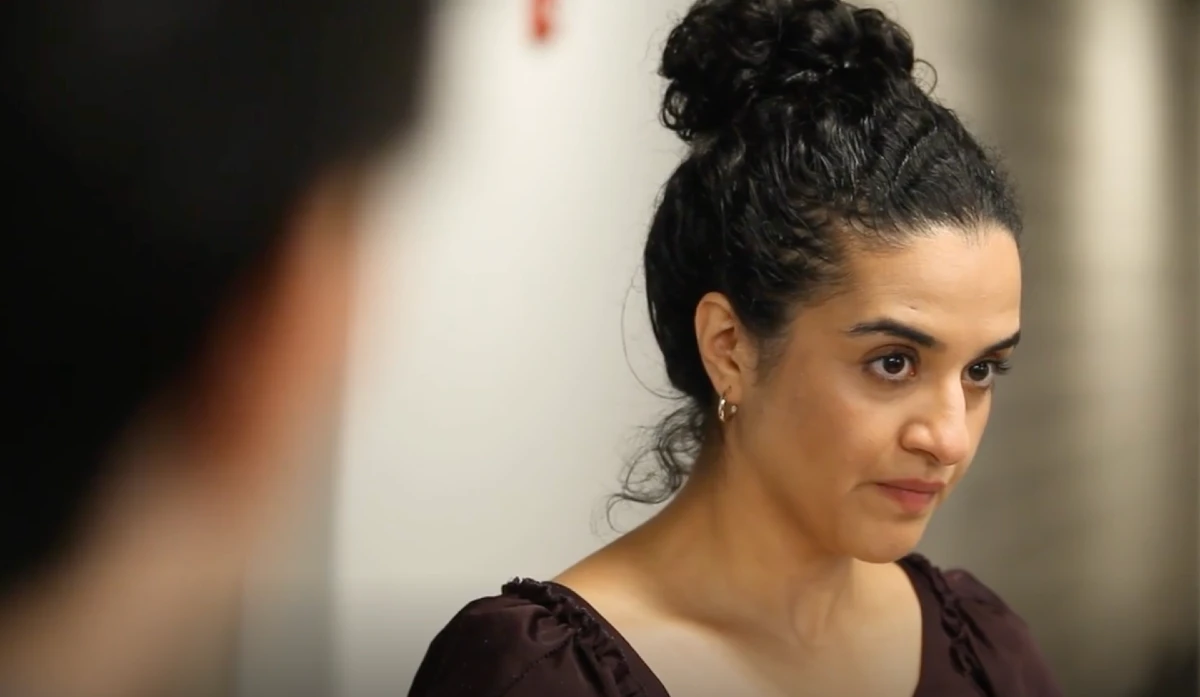
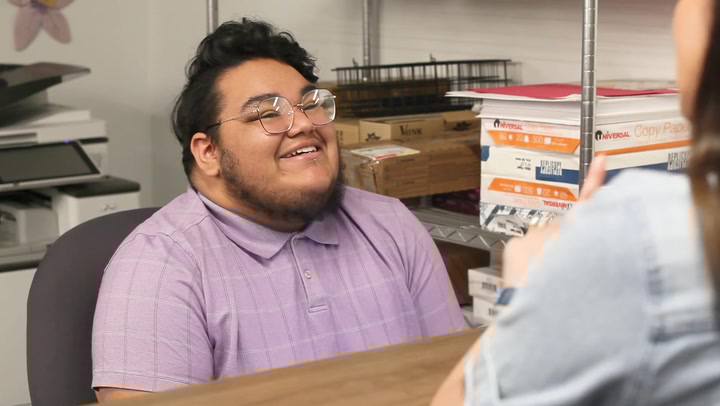
Julie, who is clearly affected by the exchange, attempts to redirect the conversation back to work. As the discussion turns to the presentation, Julie confirms that she prepared the research and speaker notes. John acknowledges the quality of her work—but then assigns the presentation role to Leslie instead, describing her as more “charismatic.”
Julie is stunned. From her perspective, this moment echoes past experiences of being passed over. In her internal monologue, she translates “charismatic” into what it feels like it really means: thinner and more conventionally attractive. John, however, remains unaware of how his decision and earlier comments could be interpreted, assuming Julie is merely disappointed about missing the opportunity—not about why she missed it.
This scenario demonstrates how bias doesn’t always announce itself loudly. Instead, it often shows up through language choices, assumptions, and repeated patterns that collectively send a powerful message about who is valued and why.
No one in this scene sets out to be cruel. Leslie likely believes she’s being complimentary. John may truly think he’s making a neutral decision. Yet intent does not erase impact.
Comments about someone being “brave” for their body, or attractive “despite” their size, reinforce the idea that larger bodies are inherently less desirable. These messages—especially when repeated—can undermine confidence, belonging, and psychological safety.
When those comments are followed by workplace decisions that disadvantage the same employee, the impact compounds. Even if John didn’t consciously pass over Julie because of her size, the pattern matters. Bias doesn’t require malicious intent to cause harm.
Leslie likely didn’t realize her comments were hurtful. They may reflect her own struggles with body image rather than judgment of others. However, speaking negatively about bodies—whether your own or someone else’s—can still reinforce harmful norms and stereotypes in shared spaces.
John may genuinely believe Leslie is more engaging. But context matters. Julie did most of the research, and this isn’t the first time she’s been passed over. When decision-making consistently favors one type of employee, it’s reasonable for others to question whether bias—conscious or not—is influencing outcomes.
Julie is clearly uncomfortable, even though she doesn’t explicitly voice it. Her reaction is shaped by lived experience. If she’s faced similar behavior before, this moment reinforces a pattern. Her feelings are valid, regardless of others’ intentions.
While sizeism may not always meet the legal definition of harassment, it can still contribute to a hostile or exclusionary environment. Over time, unchecked bias can escalate into discriminatory patterns, erode trust in leadership, and damage team cohesion.
Emtrain’s Preventing Workplace Harassment course teaches that respectful workplaces aren’t built solely by avoiding illegal behavior. They are built by recognizing how everyday actions—comments, jokes, decisions—either raise or lower behavioral norms. This scenario reinforces that inclusion requires mindfulness, not perfection.
At the end of the day, everyone wants to work somewhere they feel safe, respected, and evaluated fairly. No one should worry that their body size will influence how they are spoken to, perceived, or advanced. This video serves as a reminder that even “harmless” comments can carry weight—and that inclusive cultures are created when employees and leaders pause, reflect, and choose their words and actions with care.