Home » Video Library » Retaliation at Work: A Manager’s Unfair Treatment After Medical Absences
Retaliation does not always look like termination or formal discipline. In many workplaces, it shows up in quieter ways, such as losing opportunities, being excluded from key work, or having responsibilities reassigned after raising a concern or experiencing a protected issue. This video scenario demonstrates how a manager’s reaction to an employee’s medical absences can quickly create retaliation risk—and how taking the right steps can lead to meaningful course correction.
This lesson reinforces a core principle taught in Emtrain’s Preventing Workplace Harassment course: employees have the right to raise concerns and manage health issues without being penalized for it.
The video opens during a Zoom meeting between a sales manager, Shawn, and three members of his sales team. The discussion begins normally, with Shawn congratulating Anna for successfully connecting with a new healthcare lead.
However, the meeting takes a turn when Julie realizes that the healthcare lead she expected was assigned to another rep. She asks what happened.
Shawn explains that Julie had been offline and not feeling well, so he reassigned the lead. He follows this with a dismissive comment suggesting that “showing up” is how people succeed.
From Julie’s perspective, this feels punitive. She knows her recent absences are related to migraines, a medical condition her manager is aware of. Losing leads directly impacts her ability to perform and succeed in her role.
After the meeting, Julie does not confront Shawn emotionally or escalate the conflict in public. Instead, she takes an appropriate and protected step: she speaks with HR.
In her conversation with the HR representative, Julie explains that she feels unsupported, that other reps receive better leads and executive attention, and that her manager gives away her leads when she experiences migraines. She also explains that Shawn characterizes her medical absences as “not showing up.”
Whether or not the behavior meets a legal definition of harassment, Julie is clearly raising a concern about unfair treatment connected to her health. That is a protected activity.
The HR representative responds appropriately by listening, documenting the concern, and committing to follow up with the manager.
Retaliation occurs when an employee experiences a negative job action because they engaged in a protected activity. Protected activities include reporting harassment, discrimination, or unfair treatment—and they do not need to be formal complaints or legally precise.
In this scenario:
Reassigning leads may seem like a business decision, but when it is tied to medical absences and affects an employee’s success, it can reasonably be perceived as retaliatory.
Intent does not control the outcome. What matters is how the action would be viewed by a reasonable employee in Julie’s position.
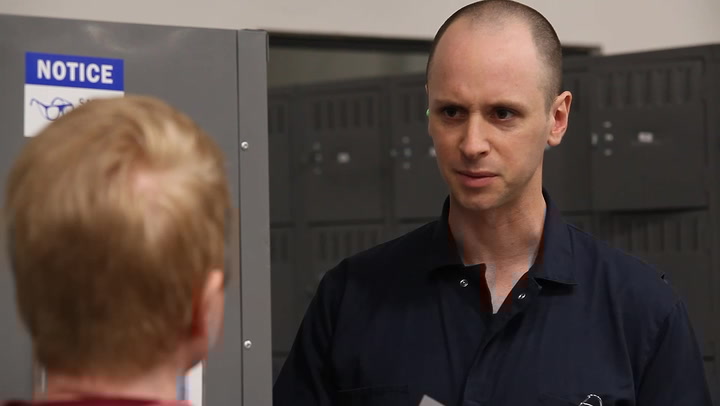
After HR follows up, Shawn receives communication indicating that Julie’s complaint has been taken seriously. His initial reaction is defensive and surprised. He questions whether he is really harassing her.
Importantly, Shawn pauses. He reflects on the situation rather than reacting emotionally or doubling down. This moment matters.
Shawn realizes that his actions, even if not intended to punish, had real consequences for Julie. He recognizes that tying lead distribution to medical absences was unfair and risky.
Shawn takes responsibility by calling a team meeting and correcting the situation. He announces that there is a strong pipeline of leads and assigns Julie a well-qualified account, offering support if she needs it.
This is a clear course correction.
The key difference is not just the reassignment of leads. It is the shift in mindset.
Initially, Shawn treated Julie’s absences as a performance issue. After HR involvement, he reframes the situation and separates health-related absences from opportunity allocation.
This demonstrates an important lesson: managers are allowed to make mistakes, but they are expected to correct them once an issue is raised.
Course correction does not erase the original harm, but it can stop further damage and rebuild trust.
This video highlights several important manager responsibilities:
Retaliation risk often arises not from bad intent, but from defensiveness and lack of awareness.
In Emtrain’s Preventing Workplace Harassment course, employees and managers learn how retaliation can occur through everyday decisions, not just extreme actions. The course teaches how to recognize protected activity, respond appropriately, and correct behavior before it escalates into legal or cultural harm.
Importantly, it reinforces that speaking up works when organizations listen and act.