Home » Video Library » When Religious Practices Lead to Workplace Exclusion
Religion and religious expression are deeply personal, yet they are also a protected characteristic of identity in the workplace. Employees come from a wide range of faith traditions, spiritual beliefs, and cultural backgrounds—and the way individuals observe their beliefs can look very different from one person to the next. While these differences may sometimes feel unfamiliar or awkward to others, discomfort alone is never a justification for exclusion, disrespect, or differential treatment.
This video scenario explores how subtle reactions to a coworker’s religious practice can escalate into exclusionary behavior, even when no one intends to discriminate. It helps learners recognize how small decisions and casual comments can contribute to a hostile or isolating environment—and what respectful, inclusive behavior looks like instead.
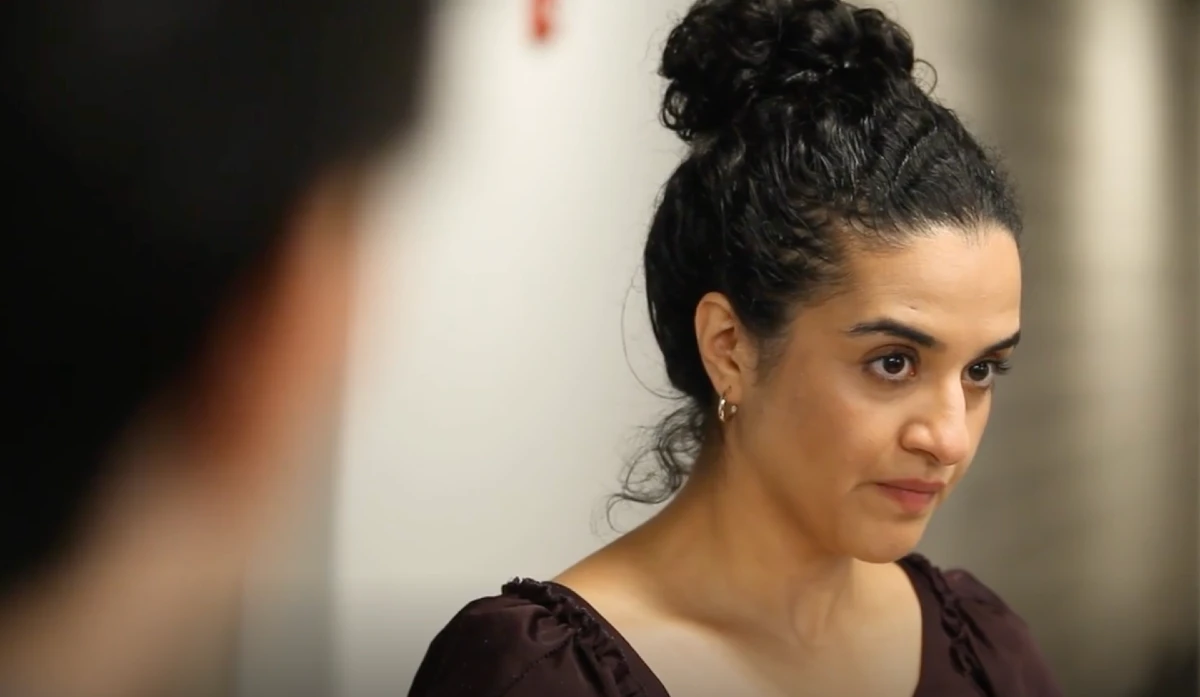
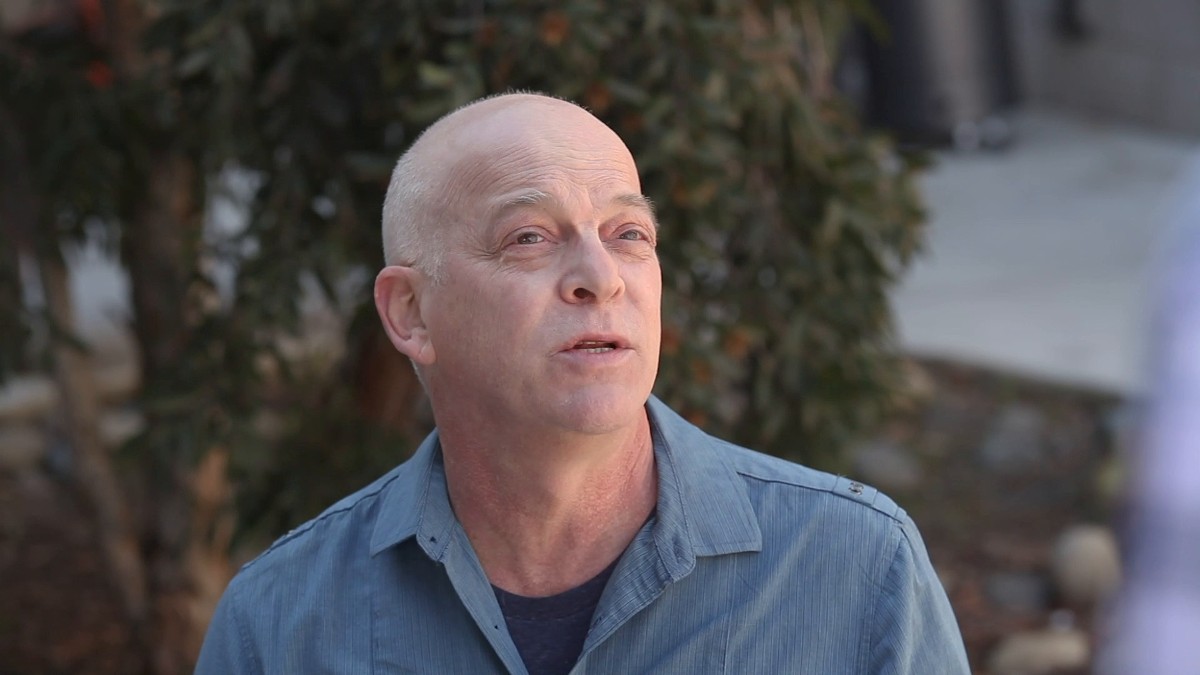
The scene opens with three coworkers—Thomas, Adam, and Briana—sitting together at an outdoor café table during lunch. As they prepare to eat, Thomas quietly bows his head, clasps his hands, and says a brief prayer before his meal. He does this silently and does not ask anyone else to participate.
Adam notices Thomas praying and glances toward Briana, gauging her reaction. Curious, Adam asks Thomas whether he prays before every meal. Thomas responds calmly that he does. Briana then interjects with a comment about her own childhood experience, sharing that praying before meals felt excessive to her growing up. Adam laughs and agrees, reinforcing the shared discomfort. Thomas responds politely, signaling that he understands their reaction.
On the surface, this exchange appears mild. No one directly insults Thomas or tells him to stop. However, the dynamic subtly establishes his religious practice as something awkward or unusual.
A few days later, this discomfort turns into action. Briana invites Adam to grab burgers for lunch and offers to include Thomas. Adam quickly objects, asking if they can leave Thomas out. When Briana questions why, Adam struggles to articulate a clear reason—he admits Thomas hasn’t done anything wrong. He simply describes Thomas as “a little weird” and references the praying as something that made him uncomfortable.
Despite recognizing that Thomas didn’t impose his beliefs on anyone, Adam still prefers to exclude him. Briana, uncertain how to respond, agrees to leave Thomas out of the lunch plan.
This moment demonstrates how discomfort—when unexamined—can quietly turn into exclusion, creating isolation for the person whose behavior sparked that discomfort.
Thomas did not ask anyone to participate in his prayer. He did not proselytize, pressure, or disrupt the workplace. He simply practiced his faith quietly during a personal moment. Excluding him because others feel uncomfortable with that practice crosses an important line.
Repeatedly excluding a coworker due to their religious practices can:
Discomfort with how someone practices their faith is not a valid reason to treat them differently at work. When exclusion becomes a pattern, it can rise to the level of religious harassment—even if the behavior is subtle or indirect.
Thomas appears calm, respectful, and professional throughout the interaction. He practices his faith privately and does not react defensively when others comment on it. Despite this, he becomes the subject of exclusion—likely without ever being told why. Over time, this kind of treatment can lead employees to feel isolated, scrutinized, or reluctant to express their identity at work.
Adam does not express overt hostility toward religion. Instead, his actions are driven by personal discomfort. However, allowing that discomfort to influence who is included socially—and potentially professionally—creates unfair treatment. Intent does not eliminate impact.
Briana seems torn. She does not fully understand Adam’s reasoning but goes along with excluding Thomas anyway. This highlights how passive participation can still contribute to harmful outcomes. Silence or compliance can unintentionally reinforce exclusionary behavior.
This scenario also connects to broader examples of religious harassment, including:
Harassment doesn’t always involve direct insults. Sometimes it appears as avoidance, exclusion, or subtle signals that someone doesn’t belong.
This video reinforces several key principles taught in Emtrain’s Preventing Workplace Harassment course:
Do not assume you understand a coworker’s beliefs, practices, or boundaries. Religious expression varies widely—even within the same faith tradition.
Jokes, side comments, or casual reactions can carry unintended messages. What feels harmless to one person may feel isolating to another.
Social and professional opportunities should not be limited based on religious expression that does not interfere with work.
Be aware of religious restrictions when planning events, including food, alcohol, or scheduling around major holidays.
Not everyone observes the same holidays. Use inclusive language and avoid assumptions about shared beliefs.
Religious respect in the workplace is both a legal obligation and a cultural responsibility. Emtrain’s Preventing Workplace Harassment course teaches that inclusion is not about eliminating differences—it’s about creating an environment where differences are respected without judgment or penalty.
This scenario demonstrates how small, everyday decisions can either reinforce belonging or contribute to exclusion. When employees recognize and challenge discomfort-driven behavior, they help raise behavioral norms and protect the dignity of everyone on the team.
No one wants to feel like an outsider because of their beliefs. Respecting religious diversity means recognizing that what feels unfamiliar to one person may be deeply meaningful to another. By choosing curiosity over judgment and inclusion over avoidance, workplaces can foster trust, collaboration, and psychological safety.
This video reminds learners that respectful workplaces are built not just through policies, but through everyday choices—who we include, how we speak, and how we respond when differences arise.