Natural disasters don’t wait for the perfect moment. An ordinary workday can change in seconds when an earthquake strikes without warning, a tornado warning is issued, or a hurricane suddenly changes course toward your facility. While employers cannot prevent these events, they can prepare employees to respond quickly, safely, and confidently.
Workplace emergency preparedness is no longer just a best practice—it’s an essential part of protecting employees and maintaining business continuity. Organizations invest heavily in cybersecurity, compliance programs, and operational planning, yet many employees have never been taught what to do during a natural disaster until they’re facing one.
The difference between panic and preparedness often comes down to training.
Giving employees practical, scenario-based guidance before an emergency occurs helps create a safer workplace, reduces confusion, and enables people to make better decisions when every second counts.
Why Natural Disaster Preparedness Matters More Than Ever
Severe weather events and natural disasters continue to affect workplaces across the United States and around the world. Hurricanes, tornadoes, floods, wildfires, and earthquakes have disrupted businesses of every size, forcing organizations to think beyond traditional workplace safety programs.
Today’s workforce is also more diverse than ever. Employees work in office buildings, manufacturing facilities, healthcare environments, retail stores, warehouses, schools, and hybrid workplaces. Every location presents unique risks during an emergency, making it critical that employees understand how to respond based on their surroundings.
Preparedness isn’t simply about meeting regulatory expectations. It’s about protecting people.
Employees who understand emergency procedures are more likely to remain calm, follow established protocols, assist coworkers when appropriate, and avoid actions that could increase danger during a crisis.
Emergency Preparedness Begins Before an Emergency
The most effective emergency response starts long before severe weather arrives.
Employees should already know where emergency exits are located, understand designated shelter areas, recognize emergency alerts, and be familiar with workplace evacuation or shelter-in-place procedures. When these concepts become familiar through regular training, employees spend less time wondering what to do and more time taking the right actions.
Preparation also strengthens workplace confidence.
Instead of reacting emotionally under pressure, employees can rely on practiced procedures designed to protect both themselves and those around them.
Earthquake Safety: Responding When Seconds Matter
Unlike many other emergencies, earthquakes provide virtually no warning.
Employees have only moments to react, making proper training essential.
An effective Earthquake Safety training program teaches employees how to prepare their workspace before an earthquake by securing heavy furniture, keeping evacuation routes clear, and understanding workplace emergency procedures.
When shaking begins, employees learn to immediately perform the internationally recognized Drop, Cover, and Hold On technique while adapting their response based on where they are—whether working at a desk, walking through a hallway, operating equipment on a production floor, or traveling in a company vehicle.
Training also prepares employees for what happens after the shaking stops by covering evacuation procedures, identifying structural hazards, checking for injuries, avoiding damaged elevators, and safely assisting coworkers when appropriate.
Tornado Preparedness: Knowing Where to Shelter
Tornadoes can develop rapidly, leaving employees with only minutes to respond.
One of the most important concepts employees learn is the difference between a Tornado Watch and a Tornado Warning. Understanding these alerts helps employees recognize when to stay informed and when immediate action is necessary.
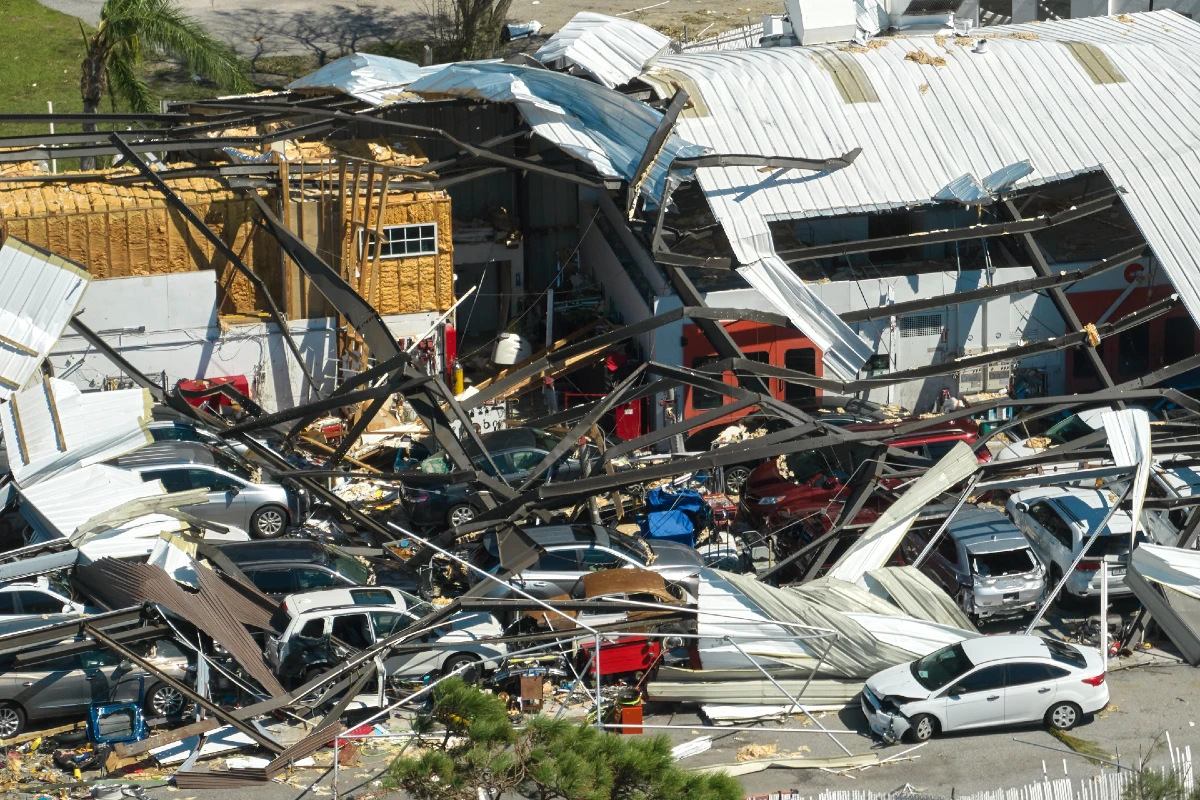
A comprehensive Tornado Preparedness lesson teaches employees how to locate designated shelter areas, avoid dangerous spaces like large open warehouses or rooms with expansive roofs, and protect themselves until emergency officials announce it is safe to leave shelter.
Employees also learn how to safely account for coworkers following the storm and recognize ongoing hazards such as structural damage, broken utilities, or gas leaks before normal operations resume.
Hurricane Preparedness: Planning Before the Storm Arrives
Unlike earthquakes and tornadoes, hurricanes often provide several days to prepare.
That preparation window gives organizations an opportunity to protect employees, secure facilities, and implement business continuity plans before dangerous conditions develop.
Effective Hurricane Preparedness training helps employees understand hurricane watches and warnings, interpret the Saffir-Simpson Hurricane Wind Scale, prepare workspaces for severe weather, and safely shelter during extended power outages.
The training also addresses challenges common in today’s workplace, including coordinating remote employees, communicating with essential personnel, accommodating employees with disabilities, and following structured return-to-work procedures after the storm has passed.
Having a clear plan before a hurricane arrives reduces uncertainty and allows organizations to recover more efficiently once conditions improve.
Creating a Stronger Workplace Safety Culture
Emergency preparedness is about far more than responding to disasters.
Organizations that prioritize workplace safety create environments where employees understand that their well-being matters. Regular safety training encourages communication, reinforces accountability, and builds confidence across every department.
When employees know exactly what to do during an emergency, organizations often experience:
- Faster emergency response.
- Better coordination among employees and leadership.
- Reduced confusion during high-pressure situations.
- Improved employee confidence.
- Stronger organizational resilience during business disruptions.
Prepared employees are safer employees.
Why Microlearning Improves Emergency Preparedness
Emergency procedures are most effective when employees can quickly remember them under stress.
Short, focused microlessons reinforce essential actions without overwhelming learners with unnecessary information. Instead of reviewing lengthy emergency manuals once a year, employees receive practical, scenario-based guidance that is easier to retain and apply during real emergencies.
Emtrain’s Natural Disaster preparedness microlessons combine realistic workplace scenarios with actionable guidance that employees can immediately put into practice. Whether preparing for an earthquake, tornado, or hurricane, each lesson focuses on helping employees understand their responsibilities, recognize hazards, and respond confidently when emergencies occur.
Preparing Today Protects Tomorrow
Natural disasters will always be unpredictable.
Preparation doesn’t eliminate risk, but it dramatically improves an organization’s ability to protect employees when unexpected events occur.
By investing in practical workplace emergency training, organizations help employees stay calm, make informed decisions, and respond with confidence during earthquakes, tornadoes, hurricanes, and other natural disasters. Building these skills before an emergency happens creates a stronger safety culture, supports business continuity, and demonstrates an organization’s commitment to protecting its people.
Because when seconds matter, preparation becomes one of the most valuable workplace safety tools an organization can provide.