




Keeping Employees Safe Before, During, and After an Earthquake
An earthquake can turn an ordinary moment dangerous in seconds. Because these events strike entirely without warning, knowing how to stay calm and react instantly is your best defense against injury.
The Earthquake Safety microlesson provides the vital, split-second habits needed to protect yourself and your colleagues. You will learn how to prepare your immediate workspace beforehand, execute protective maneuvers based on your physical location during a shake, and navigate structural hazards safely once the ground stops moving. This training ensures you can handle an unpredictable emergency with calm, decisive action.
This lesson teaches:
- How to prepare before the shaking starts by securing heavy furniture, clearing exit pathways, and verifying workplace emergency procedures.
- How to execute the "Drop, Cover, and Hold On" protocol, the globally recognized standard for minimizing injury during a tremor.
- How to adapt your response based on where you are, providing distinct survival steps for workstations, hallways, stairwells, production floors, or vehicles.
- How to navigate the immediate aftermath safely by checking for personal injuries, avoiding shattered glass or structural debris, and using stairs rather than elevators to evacuate.
- How to assist others securely, including coordinating support for team members with mobility limitations and reporting hazards to emergency wardens.
Microlesson Features
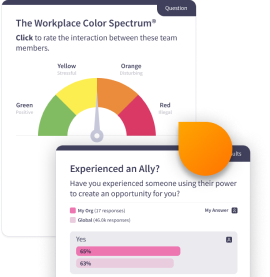
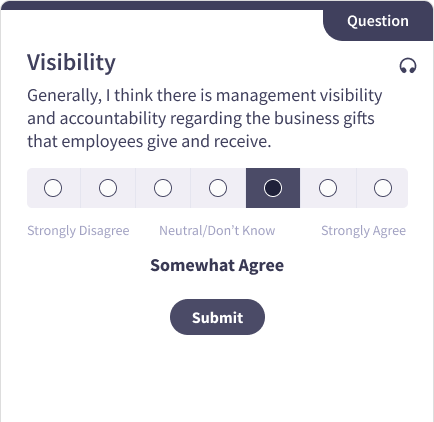
- Employee sentiment pulsing questions that provide leaders with insights into their workforce's core cultural competencies
- Emtrain's Expert Answers tool, enabling employeees to submit anonymous questions about sensitive issues.
- Rich, contemporary video scences illustrating key concepts through realistic scenarios
- A data driven, skill-based approach to eLearning that establishes a shared language for employees.

Related Trainings
Frequently Asked Questions
Below are answers to common questions that employees and managers have about this topic. These FAQs provide a preview of what you’ll learn in this microlesson and why it matters.