New in 2026

New in 2026


A Guide to Brazil Harassment Law
Brazil-specific supplement to the PWH Global course. Covers the CLT, Federal Constitution, Law 14.457/2022, and updated NR-1 (psychosocial risks, effective May 26 2026); Brazil-specific protected characteristics and the Equal Pay Law (Lei 14.611/2023); the two legal definitions of sexual harassment (criminal Art. 216-A vs. labor law); assédio moral as a Brazil-specific concept; the CIPA internal committee; and external reporting channels (MTE, MPT, Labor Courts, Police).
Key Concepts:
- How to distinguish between hierarchical sexual harassment under Article 216-A of the Penal Code (criminal offense) and peer-level sexual harassment under labor law.
- How to identify assédio moral (moral harassment) as repeated, targeted workplace violence that justifies termination for cause or constructive dismissal.
- How to meet transparency and compliance rules under Law No. 14,611/2023 (Equal Pay Law) and Law No. 14,457/2022.
- How to address occupational mental health hazards under updated NR-1 psychosocial risk standards.
- How to submit reports through the CIPA committee and understand severe consequences, including criminal penalties for racism and sexual abuse.
Microlesson Features
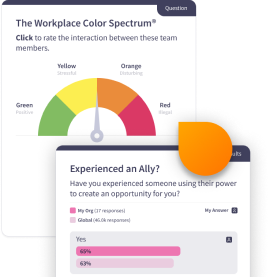
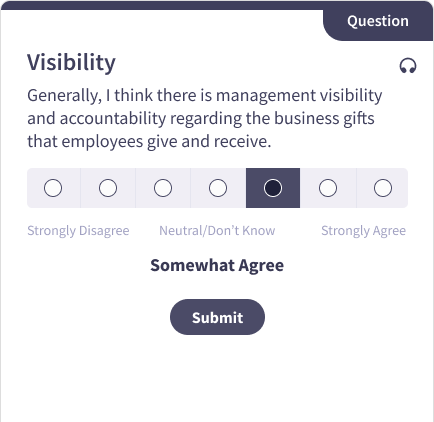
- Employee sentiment pulsing questions that provide leaders with insights into their workforce's core cultural competencies
- Emtrain's Expert Answers tool, enabling employeees to submit anonymous questions about sensitive issues.
- Rich, contemporary video scences illustrating key concepts through realistic scenarios
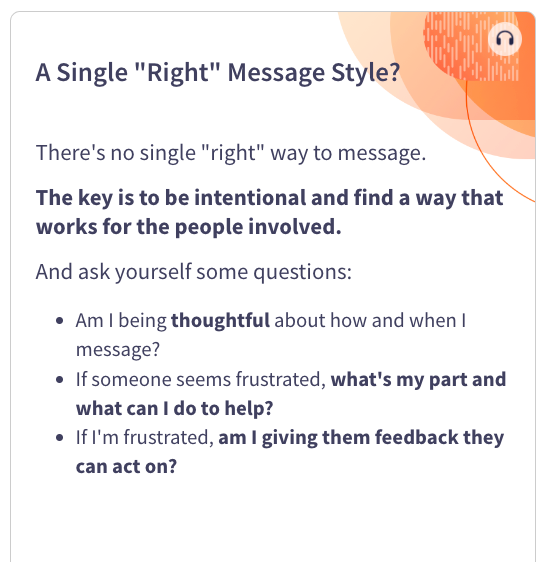
- A data driven, skill-based approach to eLearning that establishes a shared language for employees.


Frequently Asked Questions
Below are answers to common questions that employees and managers have about this topic. These FAQs provide a preview of what you’ll learn in this microlesson and why it matters.
Q
What does the Brazil workplace harassment prevention supplement cover?
The supplement builds on Emtrain’s global Preventing Workplace Harassment course with Brazil-specific guidance on sexual harassment, moral harassment, discrimination, equal pay, psychosocial risks, and reporting options.
Q
How does the course explain sexual harassment under Brazilian law?
The lesson explains how Article 216-A of Brazil’s Penal Code addresses sexual harassment involving an abuse of workplace authority. It also covers how Brazilian labor law can address sexual harassment between coworkers.
Q
What is assédio moral in the Brazilian workplace?
Assédio moral means moral harassment. The lesson shows how to recognize repeated conduct that humiliates, intimidates, or undermines someone at work.
Q
What does the lesson cover about workplace discrimination and equal pay in Brazil?
The lesson covers protected characteristics under Brazilian law and introduces the equal pay and pay transparency topics addressed by Brazil’s Equal Pay Law, Lei 14.611/2023.
Q
Does the Brazil supplement cover NR-1 psychosocial risks?
Yes. The lesson introduces the updated NR-1 standard and explains how workplace conditions such as harassment and excessive workloads can create risks to workers’ mental health.