New in 2026

New in 2026


A Guide to Japan Harassment Law
Covers Japanese harassment law including power harassment (pawahara), sexual harassment, customer harassment, pregnancy/childcare harassment, non-regular worker protections, and manager responsibilities.
Microlesson Features
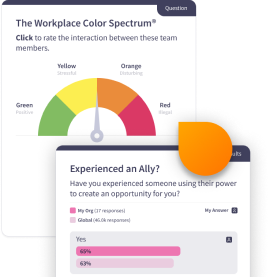
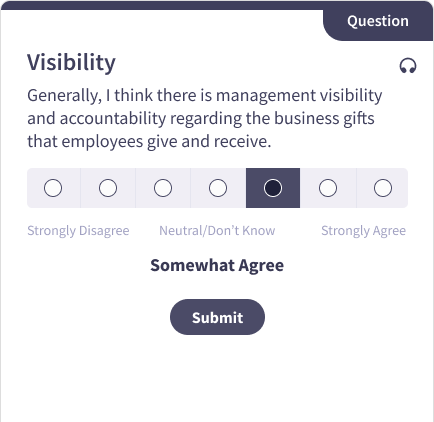
- Employee sentiment pulsing questions that provide leaders with insights into their workforce's core cultural competencies
- Emtrain's Expert Answers tool, enabling employeees to submit anonymous questions about sensitive issues.
- Rich, contemporary video scences illustrating key concepts through realistic scenarios
- A data driven, skill-based approach to eLearning that establishes a shared language for employees.

Related Trainings
Frequently Asked Questions
Below are answers to common questions that employees and managers have about this topic. These FAQs provide a preview of what you’ll learn in this microlesson and why it matters.
Q
What does the Japan workplace harassment prevention supplement cover?
The supplement builds on Emtrain’s global Preventing Workplace Harassment course with Japan-specific guidance on power harassment, sexual harassment, customer harassment, leave protections, and fair treatment for non-regular workers.
Q
What is power harassment, or pawahara, in Japan?
The lesson explains the three factors used to assess power harassment: whether someone used a position of advantage, whether the conduct went beyond what was necessary and reasonable for work, and whether it harmed the working environment. That advantage can come from rank, specialized expertise, or the influence of a group of coworkers.
Q
What forms of sexual harassment does the Japan lesson cover?
The lesson covers quid pro quo harassment, such as tying a work benefit to a sexual request, and conduct that creates a hostile work environment. It includes examples involving coworkers, customers, and other third parties.
Q
Does the lesson cover harassment related to pregnancy, childcare, or family care leave?
Yes. The lesson covers harassment related to pregnancy and maternity, often called matahara, and harassment related to fathers taking childcare leave, often called patahara. It also addresses protections related to family care leave.
Q
What is customer harassment, or kasuhara, in Japan?
Kasuhara refers to customer harassment. The lesson helps employees distinguish ordinary customer complaints from abusive behavior or unreasonable demands and explains how to raise concerns through workplace reporting channels.