



Identifying and Preventing Workplace Bias
New Skill-Building Microlesson! Bias in the workplace leads to feelings of exclusion and disrespect. Everyone needs to be aware of any biases they may have individually about others. Still, it’s crucial to identify when others act biased towards their colleagues. Recognizing bias is an essential component of critical thinking and making solid decisions. Everyone has to look out for each other to ensure bad behavior doesn’t go unnoticed and gets worse.
Microlesson DescriptionIn this microlesson, we demonstrate what bias can look like and ways to spot patterns of bias in the workplace. Bias comes in many forms and can oftentimes be subtle. However, understanding the patterns and the signs of biased behavior can help identify even when it’s not as obvious. We also illustrate the importance of taking an active role in stopping and preventing bias among colleagues. It’s imperative to take action and not just ignore problematic behavior so it can be corrected in the future.
Key Concepts- Awareness of how people are treated or classified, especially patterns for groups of the same race, gender, and age.
- How to identify biased behavior
- Why it’s important to take an active role in changing problematic patterns
Microlesson Features
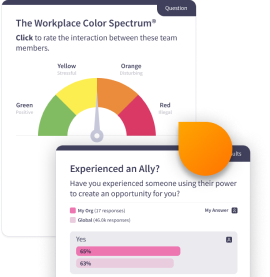
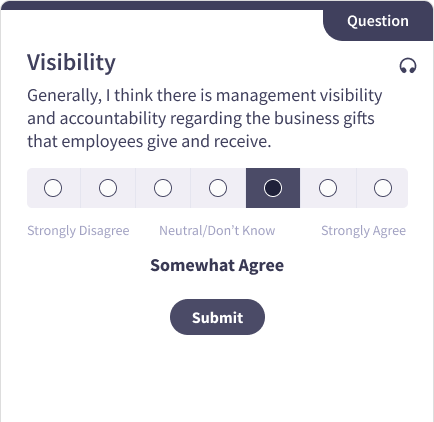
- Employee sentiment pulsing questions that provide leaders with insights into their workforce's core cultural competencies
- Emtrain's Expert Answers tool, enabling employeees to submit anonymous questions about sensitive issues.
- Rich, contemporary video scences illustrating key concepts through realistic scenarios
- A data driven, skill-based approach to eLearning that establishes a shared language for employees.

Related Resources
Related Trainings
Frequently Asked Questions
Below are answers to common questions that employees and managers have about this topic. These FAQs provide a preview of what you’ll learn in this microlesson and why it matters.