Home » Video Library » When Age Bias Affects Salary Increases and Promotions
Age bias (often called ageism) is one of the most common—and most socially tolerated—forms of workplace bias. As employees age, it’s not unusual for them to experience subtle comments, assumptions, or “quiet” shifts in how they’re treated. And while federal law protects employees age 40 and older (and some states go further), legal protection alone doesn’t guarantee that older workers will feel respected, included, or evaluated fairly.
This video scenario illustrates how age-related language and clumsy messaging can create real harm, even when a manager may believe they are simply making a business decision. It reinforces a core lesson from Emtrain’s Preventing Workplace Harassment course: intent does not outweigh impact—and empathy and skill matter most when people feel vulnerable or marginalized.
Ageism doesn’t always show up as overt insults. More often, it appears as assumptions: that an older worker is “winding down,” less adaptable, slower to learn new tools, or closer to retirement than they actually are. These assumptions can influence decisions about growth opportunities, raises, project assignments, or “who gets developed.”
What makes age bias particularly challenging is that it can hide behind business language like:
Even if business changes are legitimate, how those changes are communicated—and whether the decisions are supported by objective performance criteria—matters tremendously.
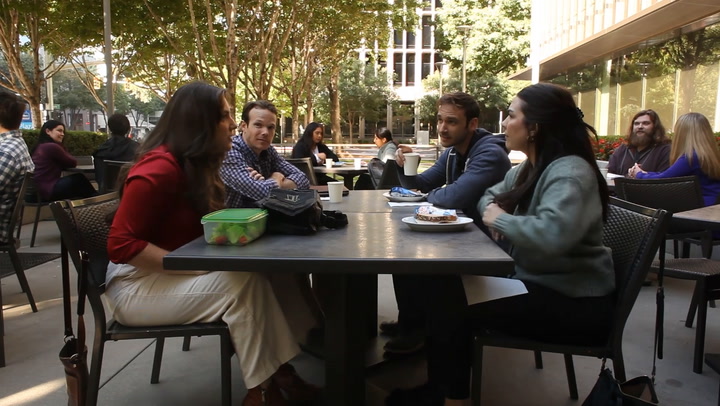
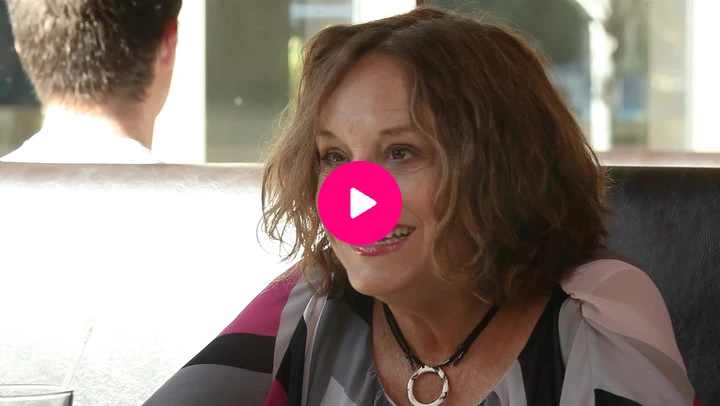
In the video, Caroline meets her boss, Russ, at a restaurant to talk privately. Russ opens the conversation distracted and rushed, explaining that the only time he has is while he’s eating. That detail alone sets the tone: Caroline is raising a sensitive concern, but the manager is not fully present.
Caroline carefully asks whether everything is okay, trying to understand why she hasn’t received a salary increase and why some of her responsibilities appear to have been reassigned. She asks directly: “What did I do?”
Russ initially denies there’s a problem. But when Caroline explains that for thirty years she’s received raises and expanding responsibilities—and now that has changed—Russ responds with words that land like a signal about her age and perceived future: “Right. Thirty years. Look. There is a desire to make room for others.”
Caroline repeats the phrase “make room for others,” making it clear she heard it as a message about being pushed out. She explains she is not ready to retire and cannot afford to. She still has children in college and hasn’t saved enough.
Russ responds by advising her to save more, take out loans if needed, and then concludes with an ominous statement: “You’re alright for right now but nothing lasts forever.” He pauses and says, “I’m sorry.”
The scene ends without resolution—leaving the employee with uncertainty, fear, and a heightened sense that she is being edged out.
This situation is intentionally nuanced. The manager’s business decision to reassign duties might be legitimate, depending on organizational needs, restructuring, or strategy. But the way he communicated the change created age-related implications that can be deeply destabilizing to an employee.
There are several risk points:
This is a great example of how insensitive delivery can turn a legitimate business decision into a culture and legal risk.
Harassment is unwelcome conduct based on a protected characteristic (like age) that is severe or pervasive enough to change the nature of the workplace. In this scene, the manager’s comments are clumsy and age-adjacent, but one interaction alone may not meet a legal threshold for age-based harassment.
However, this is exactly how issues start: one awkward conversation, one dismissive remark, one unexplained shift in opportunity. If similar comments repeat—or if the employee experiences a pattern of reduced opportunity tied to age-related messaging—risk increases quickly.
Managers can reduce age bias risk and maintain trust by focusing on three things:
If a manager realizes they handled a conversation poorly, the right move is to own it quickly: apologize, clarify intent, and recommit to respectful communication.
Age is a protected characteristic, but ageism remains widely tolerated in society—and that makes older employees especially sensitive to age-related messaging. This scenario reminds us that employees don’t just react to decisions; they react to the meaning those decisions imply.
By using inclusive language, communicating transparently, and showing genuine empathy—especially in conversations about compensation and responsibility—managers can reduce risk, build trust, and create workplaces where employees of all ages feel valued.