Home » Video Library » Retaliation: When an Employee Is Excluded From a Project
Retaliation does not always look like termination, demotion, or formal discipline. In many workplaces, it appears in quieter but equally damaging ways, such as being excluded from meetings, removed from projects, or cut out of decision-making after raising a concern. This video scenario demonstrates how retaliation can emerge through exclusion, particularly when a manager reacts defensively to an employee who speaks up.
This lesson reinforces a core principle taught in Emtrain’s Preventing Workplace Harassment course: once an employee raises a concern, managers must be especially careful not to respond in ways that punish, isolate, or silence them.
The video opens with a team meeting in a conference room where a manager, Chris, and three team members are discussing an upcoming initiative called Project Dinosaur. Sarah begins contributing ideas about stakeholders and communication planning.
Before Sarah can finish her sentence, Chris interrupts and reframes her point in his own words. When Sarah asks to finish speaking, Chris hesitantly agrees, but the pattern continues. Other team members interrupt Sarah, restate her ideas, and receive acknowledgment from the manager.
Sarah’s frustration becomes visible. She notes that her ideas are being repeated by others as if they were new, and that she is being spoken over while present in the room. When she finally addresses the issue directly, she does so with sarcasm and frustration, calling out the interruptions and the possibility of bias.
Chris responds dismissively, framing Sarah as “reactive” rather than addressing the behavior she described.
Sarah raised a concern about how she was being treated in the meeting. She identified being interrupted, spoken over, and having her ideas credited to others. While her delivery may have been emotional, the substance of her concern is valid and common in workplace dynamics.
Importantly, Sarah raised this concern in the moment, in front of her manager. That matters. She did not attack anyone personally. She described specific behaviors and asked whether bias could be at play.
At that point, Sarah engaged in a protected activity by raising a concern about unfair treatment and possible bias.
The key failure in this scenario is not just the interruptions. It is how the manager responds after Sarah speaks up.
Chris does not pause to acknowledge the concern or reset expectations for the group. Instead, he labels Sarah’s response as reactive and moves on. This signals to the team that Sarah’s concerns are inconvenient rather than legitimate.
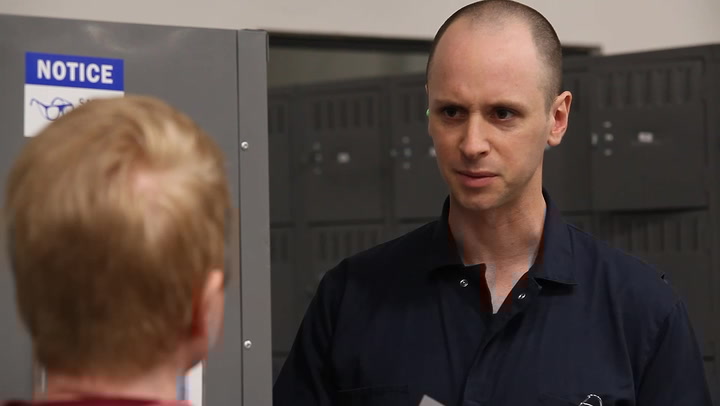
The situation escalates when Chris later meets privately with the rest of the team. During this meeting, another team member asks whether Sarah should be included going forward.
Chris explicitly decides to exclude her from the project, stating that they should “figure this out ourselves” to avoid dealing with her reactions. The team agrees.
This is the moment the situation crosses into retaliation.
Retaliation occurs when an employee experiences a negative job action because they engaged in a protected activity. Protected activity includes raising concerns about bias, discrimination, or unfair treatment, even if the concern is informal or expressed emotionally.
In this scenario:
Exclusion from meaningful work is a negative job action. Being cut out of projects can affect visibility, career growth, performance evaluations, and professional reputation.
Chris’s own words make the causal link clear. Sarah is excluded not because of performance or role alignment, but because her complaint is viewed as inconvenient.
This scenario demonstrates several common retaliation pitfalls:
Managers often believe they are “keeping the peace” by excluding a vocal employee. In reality, they are creating legal and cultural risk. Managers can learn how to respond effectively within the law with the right training.
When Sarah raised her concern, Chris should have paused the meeting and addressed the behavior directly. This could have included:
After the meeting, if follow-up was needed, Chris should have involved HR or sought guidance on how to manage team dynamics without singling Sarah out.
Most importantly, Sarah should not have been excluded from the project because she spoke up.
In Emtrain’s Preventing Workplace Harassment course, this lesson teaches that retaliation often shows up as exclusion and isolation, not overt punishment. Managers learn that once an employee raises a concern, their actions will be closely scrutinized.
The course equips leaders to:
Employees should not have to choose between contributing honestly and staying included. When managers respond to concerns by pushing employees out of the work, they silence feedback and damage trust.
Preventing retaliation means addressing issues directly, not removing the person who raised them.