Home » Video Library » Why Managers Struggle With Retaliation After Complaints
Retaliation rarely begins with a dramatic confrontation or a formal write-up. It usually starts with a reaction.
In this two-part scenario, we see how retaliation risk develops from a manager’s perspective. Not because the manager intends to punish someone, but because frustration, perception, and process gaps slowly compound over time.
This is exactly how many retaliation claims begin.
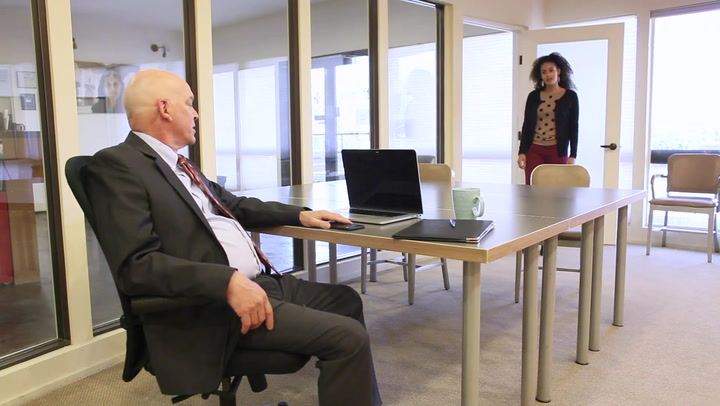
The first scene opens with a routine Friday evening. As Evon, the manager, is leaving work, she receives a call from HR informing her that Cheryl has filed a complaint.
Her immediate reaction is defensive and dismissive.
“Oh my God, Cheryl again?”
Before she even knows the substance of the complaint, Evon frames Cheryl as a recurring problem.
This moment is critical.
Managers are human. It is natural to feel frustrated when someone files a complaint, especially if the manager believes the complaint is exaggerated or unfair. But tone, mindset, and subsequent decisions matter.
Later, Evon restructures responsibilities for a major project and assigns Cheryl to report to another manager, explaining only that it will help “avoid unnecessary conflict.”
From Evon’s perspective, this may feel practical. She may believe she is reducing tension.
From Cheryl’s perspective, the change comes immediately after she files a complaint.
No transparent explanation.
No conversation.
Just a shift in reporting structure.
Even if the decision was operationally justified, the timing creates risk.
Retaliation is often about perception. When an employee engages in protected activity, such as filing a complaint, and then experiences a negative change in their work conditions, a causal link can be inferred.
Intent does not control perception. Timing does.
Now watch Part 2 below.
In the second scene, we see another example of how managers struggle after complaints.
During a team meeting, Cheryl reacts sarcastically and negatively to a new deadline. The manager redirects her briefly but does not provide direct feedback or follow up afterward.
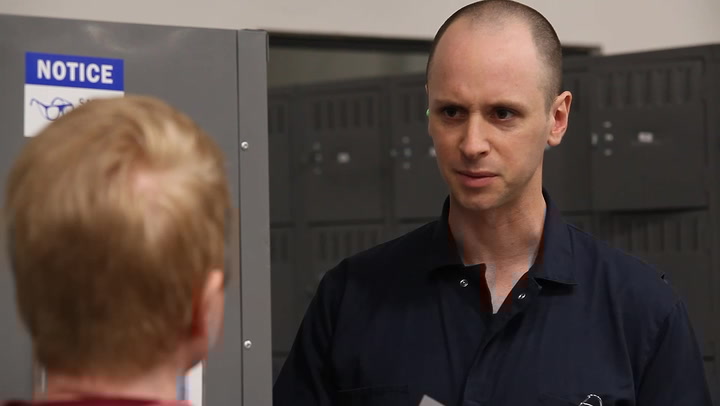
Later, frustrated by Cheryl’s continued negativity, the manager approaches HR requesting to place her on a 90-day performance plan.
HR reminds the manager that Cheryl filed a complaint the previous quarter.
Now the optics matter even more.
No documented feedback.
No prior coaching conversations.
No written expectations.
From the outside, it can look like discipline is happening because of the complaint, not because of performance.
This is where many managers unintentionally create retaliation exposure. They delay feedback because they want to avoid conflict. They tolerate problematic behavior longer than they should. Then, once frustration builds, they escalate quickly.
The escalation feels sudden to the employee.
And sudden discipline following a complaint can look retaliatory.
In both parts of this scenario, the manager made understandable but risky choices:
None of these actions necessarily prove retaliation. But together, they create a pattern that increases risk.
Retaliation claims are often built on circumstantial evidence. A sequence of events can suggest motive, even when none exists.
The core issue in this scenario is not Cheryl’s behavior. It is the process the manager followed after the complaint.
When an employee raises a concern, especially one involving bias, discrimination, or unfair treatment, managers must be extra careful about how subsequent decisions appear. Even legitimate performance actions can look retaliatory if they are sudden, undocumented, or poorly explained.
In this case, the manager waited until she felt overwhelmed before taking action. Because Cheryl had previously complained, the timing of the performance plan created a strong appearance of retaliation, regardless of the manager’s intent.
As HR points out, intent does not control perception. What matters is how the situation would look to an outside observer, an investigator, or a jury.
This situation could have unfolded very differently with a few key changes.
First, the manager should have addressed Cheryl’s behavior directly and promptly. Feedback does not have to be harsh or confrontational. A private conversation acknowledging the stress, explaining expectations for professional communication, and clarifying the impact on the team would have gone a long way.
Second, feedback should have been consistent and documented. If Cheryl continued to respond sarcastically or negatively after coaching, the manager would then have a clear record showing that expectations were communicated and ignored.
Third, the manager should have separated the complaint from performance management in a visible and transparent way. That means clearly stating that the organization supports employees raising concerns and that performance expectations apply equally to everyone.
By doing these things early, the manager would have protected both the employee and the organization. Performance management would then look like a natural progression, not a reaction to a complaint.
Managers often struggle after complaints because they fear saying the wrong thing or making the situation worse. But avoiding feedback creates more risk, not less.
Key lessons from this scenario include:
Employees deserve to know when their behavior is putting their job at risk. Silence followed by sudden discipline undermines trust and invites retaliation claims.
This scenario reinforces a critical lesson taught in Emtrain’s Preventing Workplace Harassment course: retaliation is often unintentional, but its impact is serious.
Managers play a central role in shaping workplace culture. By learning how to give timely feedback, document appropriately, and manage performance with consistency, managers can address real issues without creating legal or cultural risk.
The course helps managers understand not just what retaliation is, but how easily it can arise when process, communication, and documentation are overlooked.
Retaliation prevention is not about avoiding tough conversations. It is about having them early, clearly, and fairly.
When managers build strong feedback habits and address concerns proactively, they protect employees, strengthen trust, and create a workplace where speaking up leads to improvement, not fear.