




Recognize Burnout Early and Take Action to Protect Your Well-Being and Career
Sustaining a healthy work-life balance is essential for long-term success, yet constant pressure can push even high performers toward burnout. This lesson helps learners spot the early warning signs, set realistic boundaries, and understand the internal resources and formal options available to protect their health and performance.
Microlesson Description
Work-life balance isn’t about doing everything perfectly — it’s about ensuring your personal well-being and professional responsibilities can coexist sustainably. Work-Life Balance and Knowing Your Options teaches learners how to identify when stress shifts from manageable to harmful, and how to take informed steps to regain control. Through practical guidance and real-world strategies, the lesson covers how to communicate effectively with leadership about workload concerns, how to reset boundaries around work hours and recovery time, and how to leverage internal support resources such as HR, managers, and formal leave options. Learners leave with a clear understanding of their rights, their options, and the habits that support long-term resilience.Key Concepts
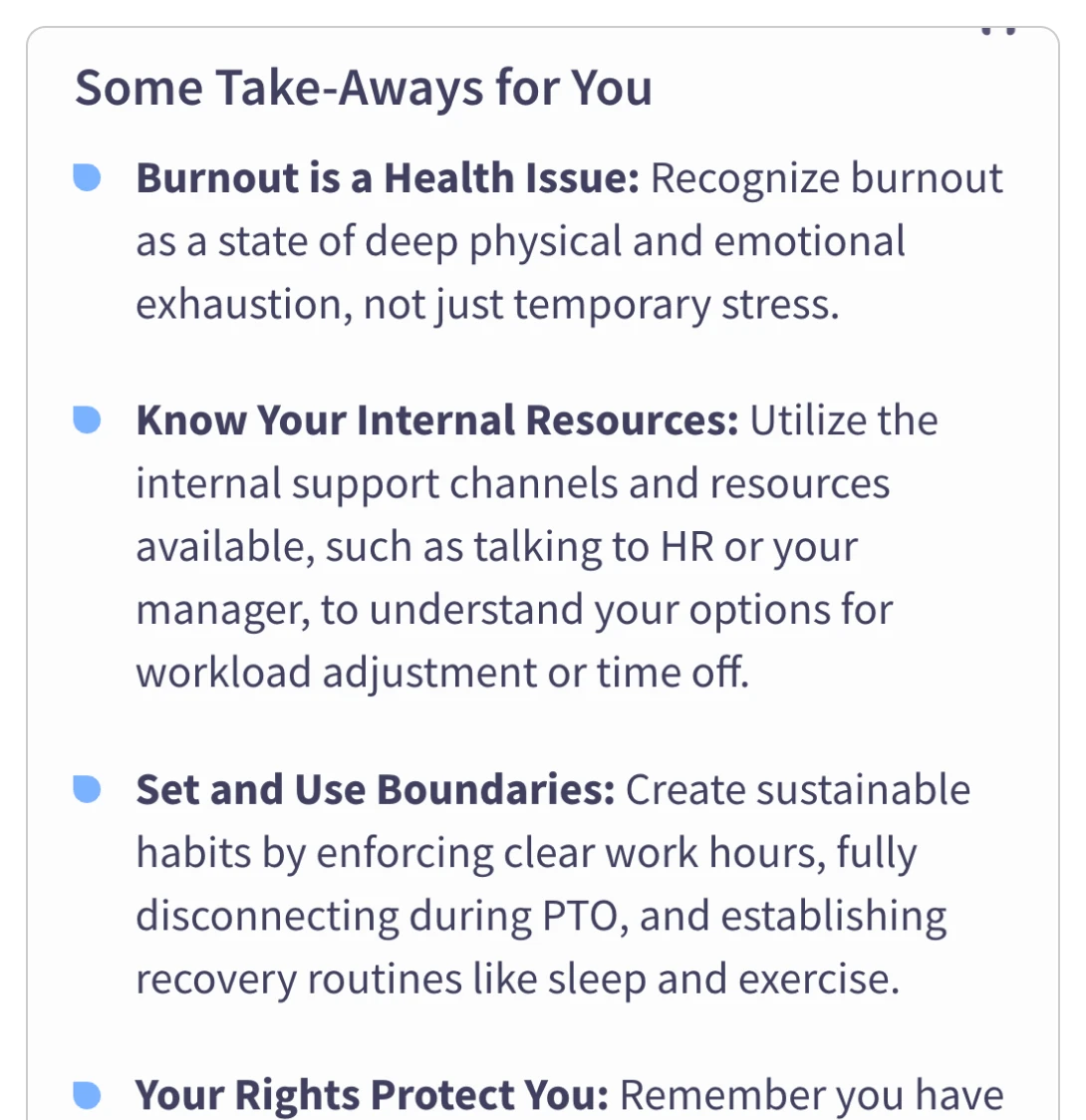
- Burnout Is a Health Issue: Understand burnout as a real, measurable state of exhaustion that requires intentional recovery, not just “pushing through.”
- Know Your Internal Resources: Learn how HR, managers, and workplace support programs can help you adjust workloads or access time off.
- Set and Use Boundaries: Build sustainable habits by defining work hours, taking uninterrupted PTO, and prioritizing rest and recovery.
- Your Rights Protect You: Know when and how to use PTO, sick leave, FMLA/STD, or request reasonable accommodations to safeguard your wellbeing.
Microlesson Features
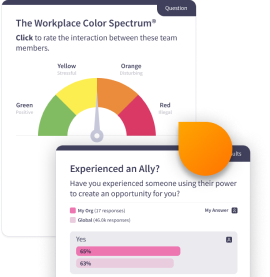
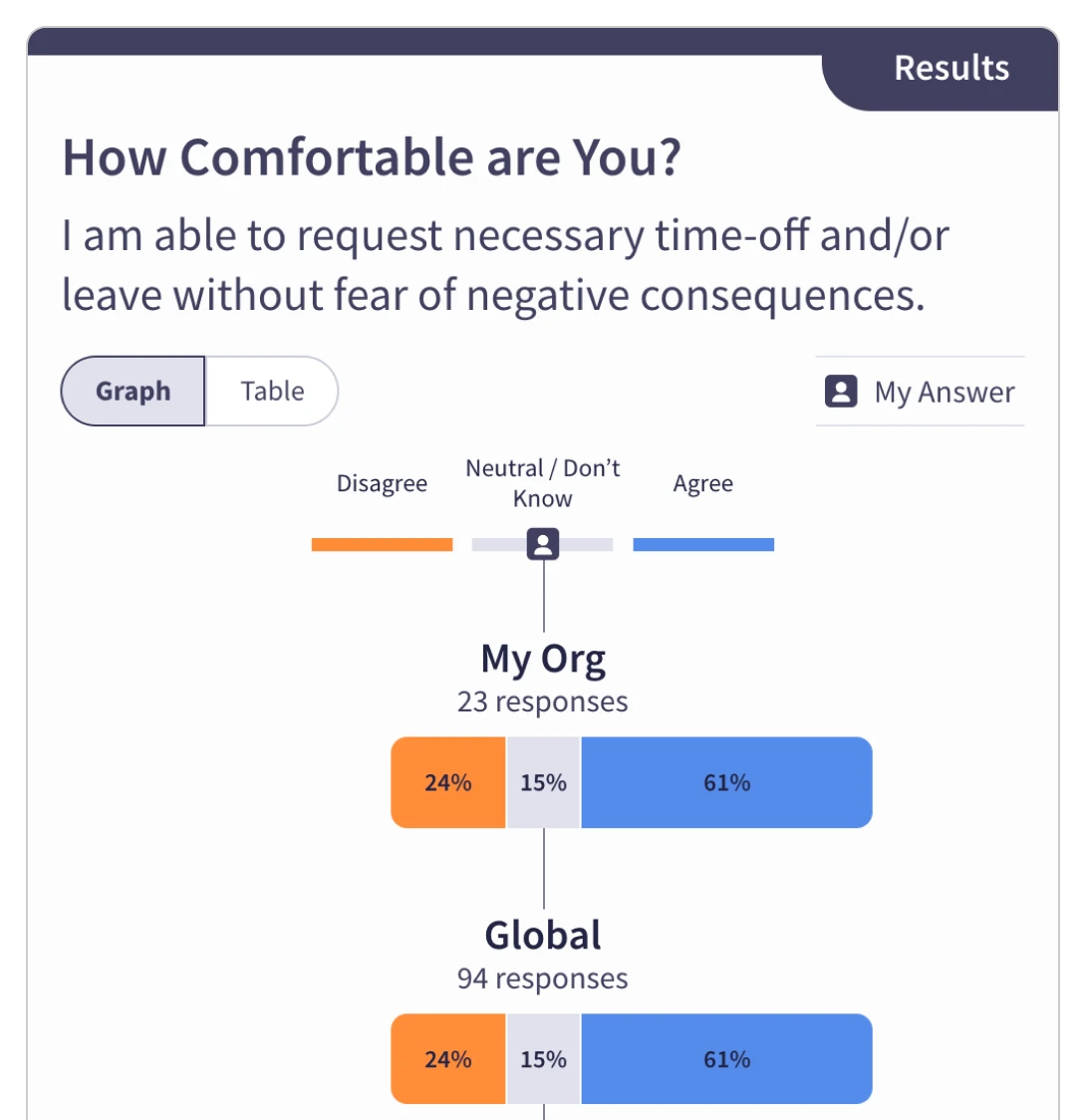
- Employee sentiment pulsing questions that provide leaders with insights into their workforce's core cultural competencies
- Emtrain's Expert Answers tool, enabling employeees to submit anonymous questions about sensitive issues.
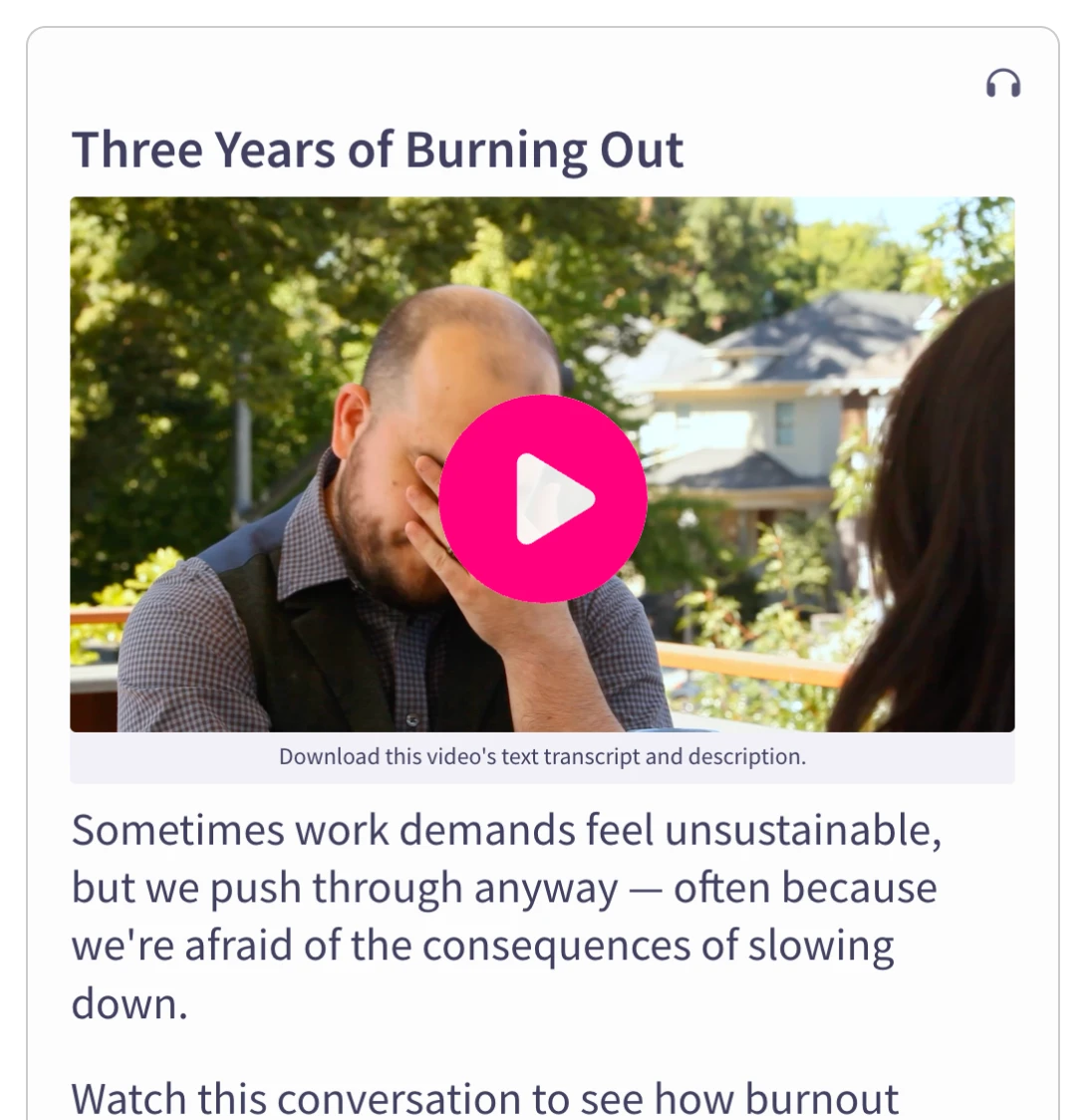
- Rich, contemporary video scences illustrating key concepts through realistic scenarios
- A data driven, skill-based approach to eLearning that establishes a shared language for employees.
Related Resources
Related Trainings
Frequently Asked Questions
Below are answers to common questions that employees and managers have about this topic. These FAQs provide a preview of what you’ll learn in this microlesson and why it matters.
Q
How do I know when stress has crossed the line into burnout?
Burnout is marked by persistent exhaustion, declining motivation, and difficulty completing tasks that were once manageable—signals that your mind and body need meaningful recovery, not more effort.
Q
Why is burnout considered a health issue and not just workplace stress?
Burnout affects both your physical and emotional well-being, leading to sleep issues, irritability, decreased performance, and long-term health impacts if left unaddressed.
Q
What should I do if my workload feels unsustainable?
Start by documenting your workload and having an honest conversation with your manager or HR to explore adjustments, prioritization, or temporary relief options.
Q
How can setting boundaries improve my work-life balance?
Clear boundaries—like defined work hours, disconnecting fully during PTO, and prioritizing recovery routines—help protect your energy and prevent long-term burnout.
Q
What internal resources can help me manage burnout?
Managers, HR partners, employee assistance programs, and workload review processes can guide you through adjustments and help you understand available support options.