
Emtrain logo

Concept

Payment Card Industry Data Security Standard (PCI DSS) Definition

The Payment Card Industry Data Security Standard (PCI DSS) is a global framework designed to secure all organizations that handle, process, store, or transmit credit card data. Developed by major card brands in 2004, PCI DSS sets 12 core requirements covering encryption, access control, network monitoring, and secure data handling. Its primary goal is to protect consumers from identity theft and financial fraud while ensuring that organizations maintain rigorous security practices throughout their payment systems.

Emtrain is the only compliance training provider that guaranteed to reduce ER claims

Emtrain’s harassment training course is engaging, interactive, and designed to spot and reduce EEO risk.
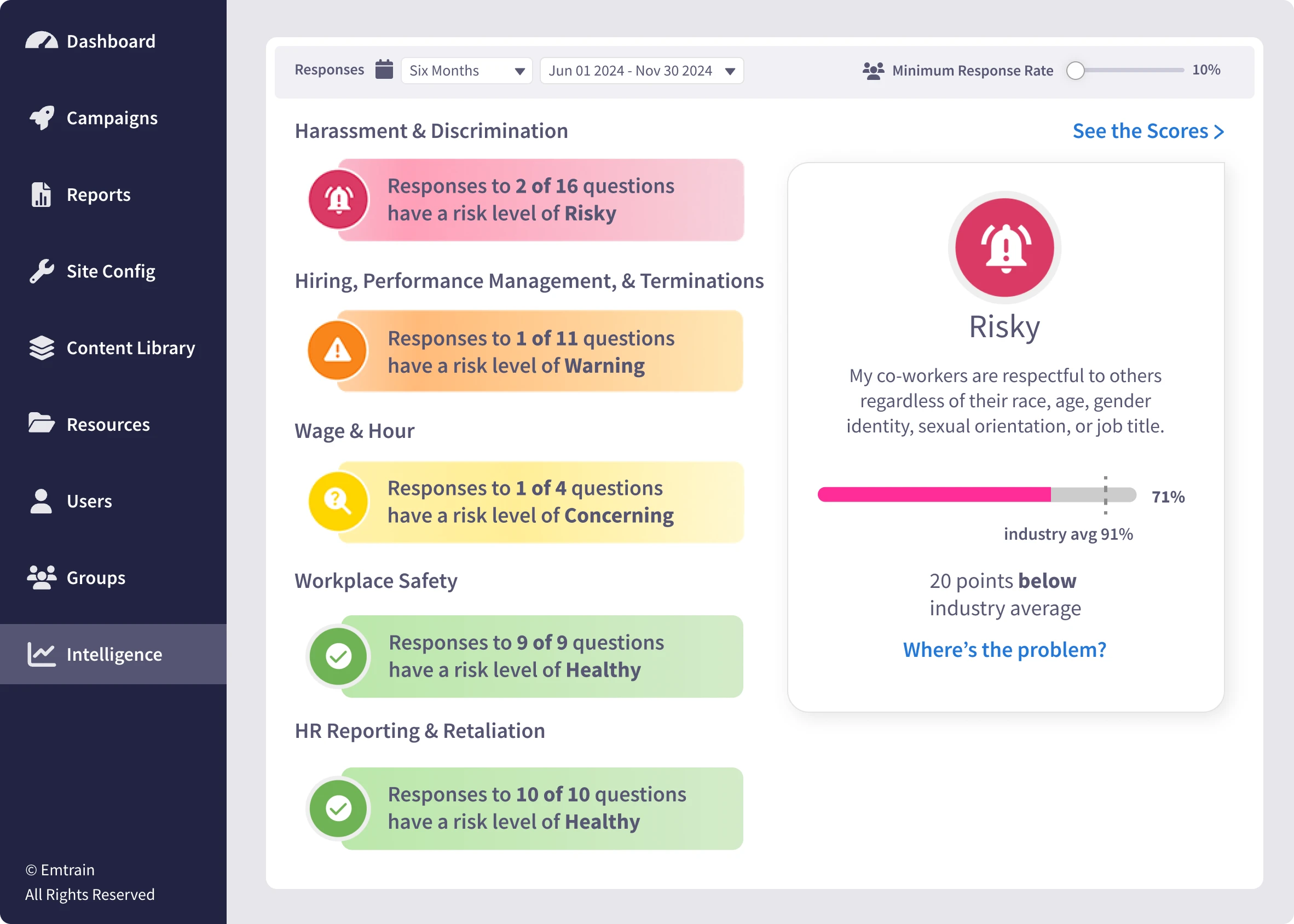
HR & People Risk Areas Dashboard

Courses and Mircolessons that cover Payment Card Industry Data Security Standard (PCI DSS)

PCI DSS Protecting Payment Card Data

PCI DSS — Protecting Payment Card Data

Learn how to handle cardholder data securely, prevent fraud, and follow essential PCI DSS requirements
Microlesson
all
Ethics

Additional Information on Payment Card Industry Data Security Standard (PCI DSS)

Historical Context: Why PCI DSS Matters

PCI DSS emerged in response to a rising wave of data breaches in the early 2000s that exposed millions of consumers’ financial records. The standard was created collaboratively by Visa, Mastercard, American Express, and other credit card issuers to establish universal rules for safeguarding cardholder information. Today, compliance with PCI DSS is not only an industry expectation but a legal and financial necessity. Non-compliance can result in substantial fines, loss of payment processing privileges, and reputational damage. For HR Managers, Compliance Officers, and People Leaders, PCI DSS is more than a technical requirement—it’s a cornerstone of customer trust, brand integrity, and workplace responsibility.

Workplace Scenarios: When PCI DSS Comes to Life

  • Scenario 1: The Sticky Note Trap
    A customer service representative jots down a client’s card number on a notepad to process later. This physical record violates PCI DSS’s strict data storage rules, putting the organization at immediate risk.
  • Scenario 2: The Unsecured Email
    An employee shares screenshots of transaction data via an unencrypted email to troubleshoot a billing issue. While well-intentioned, this act exposes sensitive payment information to potential cyber interception.
  • Scenario 3: The Shared Folder Risk
    A retail manager saves customer payment data in a shared drive accessible to all staff. Without access controls or encryption, the company is now in breach of multiple PCI DSS mandates.

Each example underscores the importance of proactive education through Emtrain’s PCI DSS: Protecting Payment Card Data microlesson—empowering employees to identify risky behavior and make better data protection choices.

What You Can Do: Building a Secure Payment Data Culture

Creating a PCI DSS-compliant environment begins with consistent training and vigilance. HR Managers and Compliance Officers play a pivotal role in embedding these behaviors into daily workflows. Here’s how:

  1. Train every employee who handles payment data with PCI DSS: Protecting Payment Card Data.
  2. Enforce encryption and secure transmission of all cardholder information.
  3. Schedule regular system audits to detect vulnerabilities early.
  4. Collaborate with IT and HR to align PCI DSS goals with privacy, ethics, and data handling standards.
  5. Extend protection through broader cybersecurity learning, such as Emtrain’s Cybersecurity Training Course, ensuring employees recognize and mitigate risks beyond payment processing.

Best Practices: PCI DSS Compliance in Action

  • Limit access to payment data strictly to employees who need it.
  • Encrypt stored and transmitted cardholder information using updated technologies.
  • Maintain firewalls, antivirus software, and system patches.
  • Require multi-factor authentication for access to sensitive data.
  • Conduct regular penetration and vulnerability testing.
  • Reinforce awareness with Emtrain’s Information Security and Human Error microlesson, helping staff avoid the small mistakes that cause big data incidents.

For authoritative external guidance:

  • FTC Data Security Guidance – U.S. Federal Trade Commission best practices for safeguarding consumer data.
  • NIST Cybersecurity Framework – U.S. National Institute of Standards and Technology’s official framework for managing cybersecurity risk.

Final Thoughts: Turning Compliance into Culture

PCI DSS compliance isn’t just about avoiding penalties—it’s about fostering a culture of trust. Every swipe, every transaction, and every digital interaction represents a promise to safeguard customers’ personal data. Organizations that embrace PCI DSS training and accountability not only protect their bottom line but also strengthen employee engagement and brand credibility. With Emtrain’s data protection microlessons and enterprise-ready courses, your teams gain the knowledge to keep sensitive data secure—and your organization ahead of compliance expectations.

Frequently Asked Questions

PCI DSS applies to any organization that accepts, stores, processes, or transmits payment card information, regardless of size or transaction volume.
HR plays a vital role by embedding PCI DSS awareness into onboarding, policy acknowledgment, and annual compliance training programs, ensuring every employee understands their role in protecting data.
It unites operational, regulatory, and ethical obligations—helping organizations prevent costly breaches, reduce liability, and maintain audit readiness.
By encouraging open communication about potential data risks, modeling compliant behavior, and ensuring their teams complete critical Emtrain lessons like PCI DSS: Protecting Payment Card Data.

Culture Forward Companies That Choose Emtrain

Okay, you got this far.
Let’s get compliant.

Search all Emtrain Resources

Search Emtrain’s course and microlesson selections, blog, resources, video libraries, and more.