




Recognize Early Signs of Distress and Support Remote Colleagues With Confidence
Remote work makes it easier for signs of stress, burnout, or personal struggle to go unnoticed. This microlesson teaches learners how to identify subtle behavioral changes, open supportive conversations, and provide meaningful help—while still maintaining healthy boundaries and team accountability.
Microlesson Description
In a remote work environment, the natural "water cooler" moments and face-to-face check-ins we rely on to gauge a colleague's well-being are often missing. This lack of physical proximity can make it easier for signs of burnout or personal distress to go unnoticed until they significantly impact the individual and the team. The lesson Supporting Remote Colleagues in Distress provides practical guidance on how to bridge this gap through intentional communication. By taking this course, you will learn how to identify subtle digital warning signs, how to reach out with compassion while maintaining professional boundaries, and how to provide meaningful support that helps a colleague recover without compromising team accountability.Key Concepts
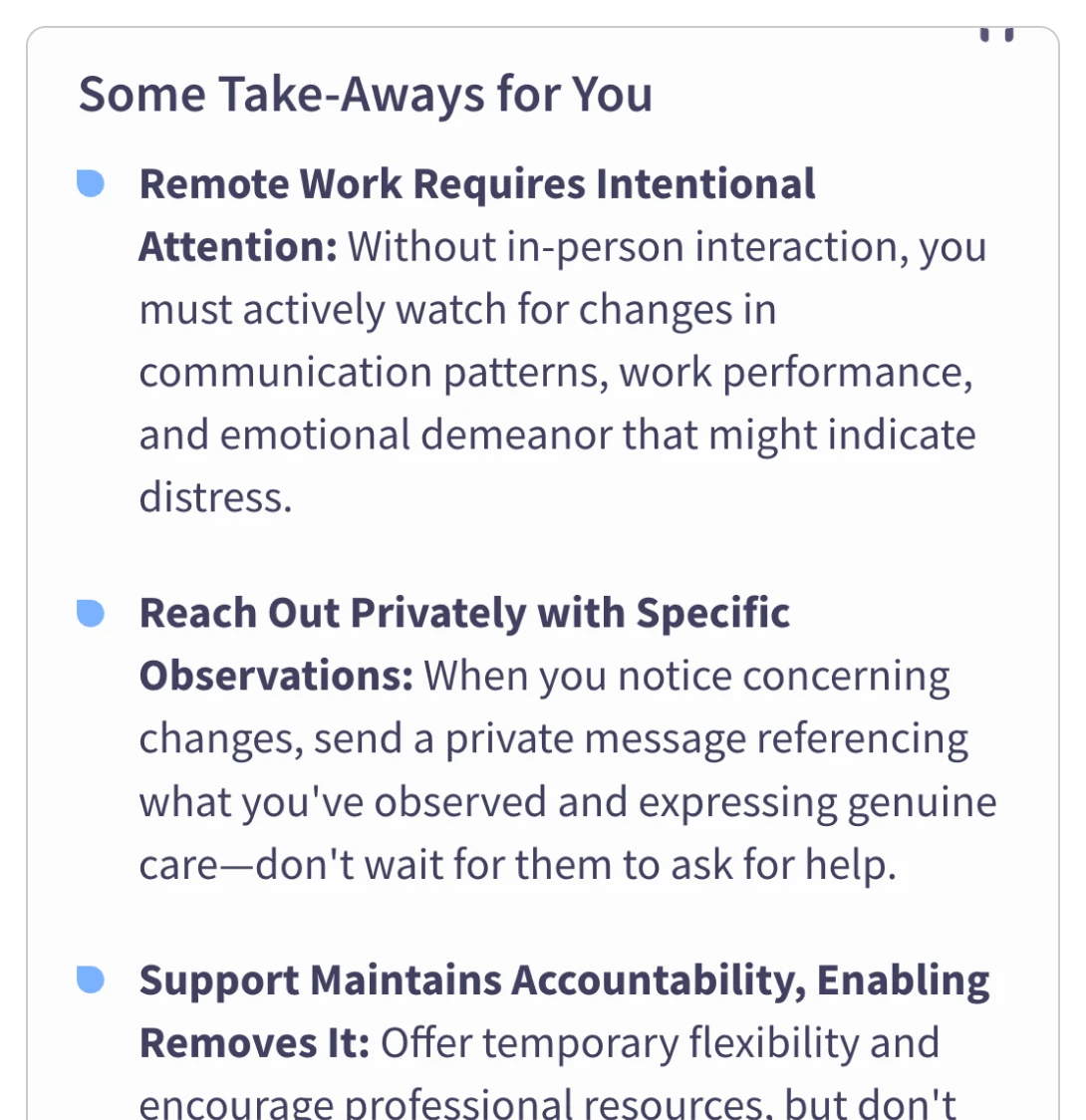
- Learn how to spot subtle digital shifts that may signal distress.
- Use clear, specific observations to open supportive conversations without judgment.
- Understand how to help colleagues while maintaining boundaries that protect team accountability.
- Recognize when a situation requires manager, HR, or professional intervention.
Microlesson Features
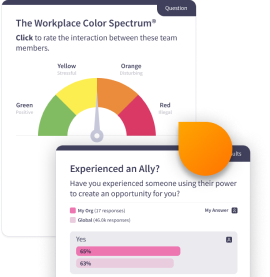
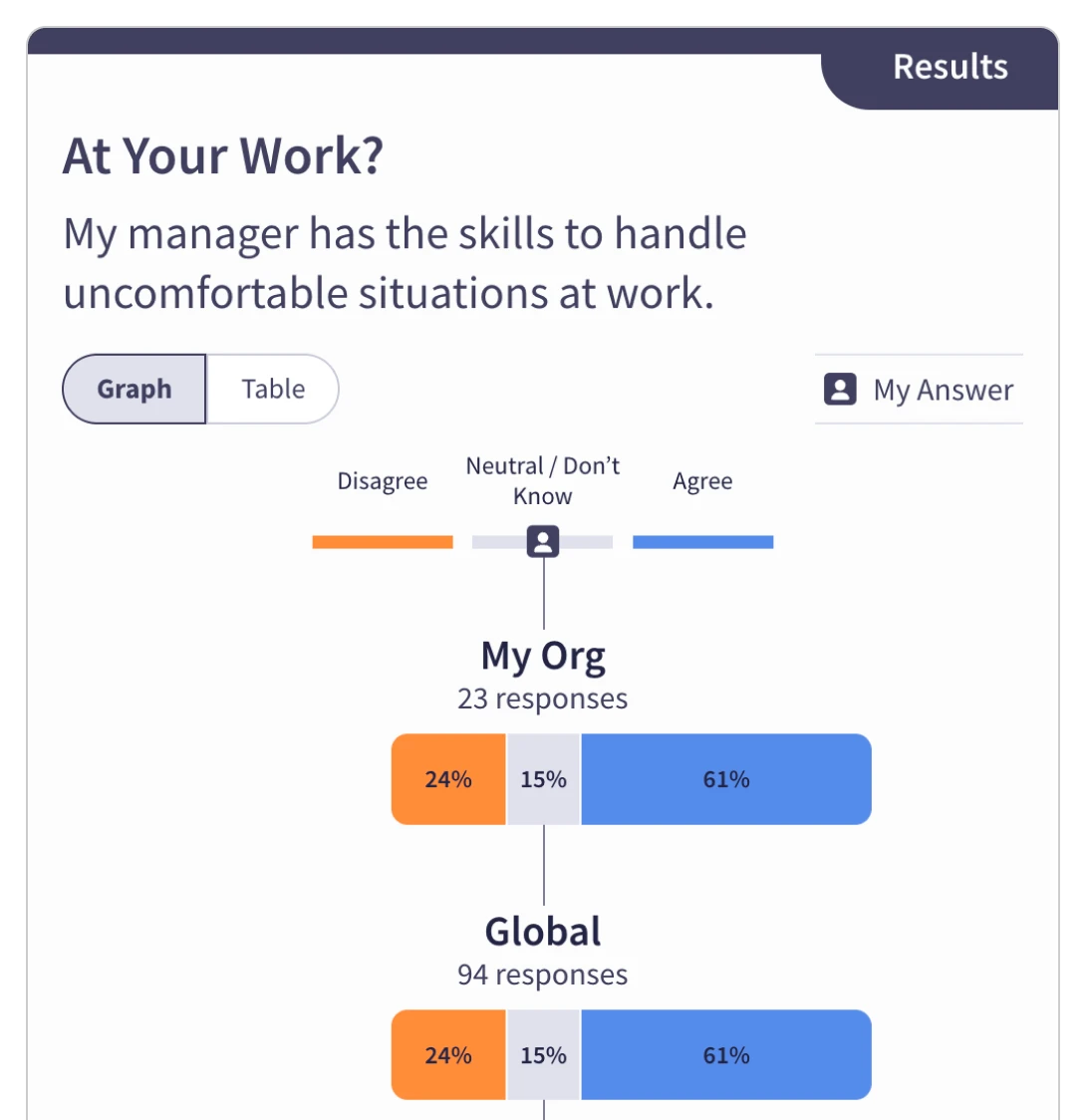
- Employee sentiment pulsing questions that provide leaders with insights into their workforce's core cultural competencies
- Emtrain's Expert Answers tool, enabling employeees to submit anonymous questions about sensitive issues.
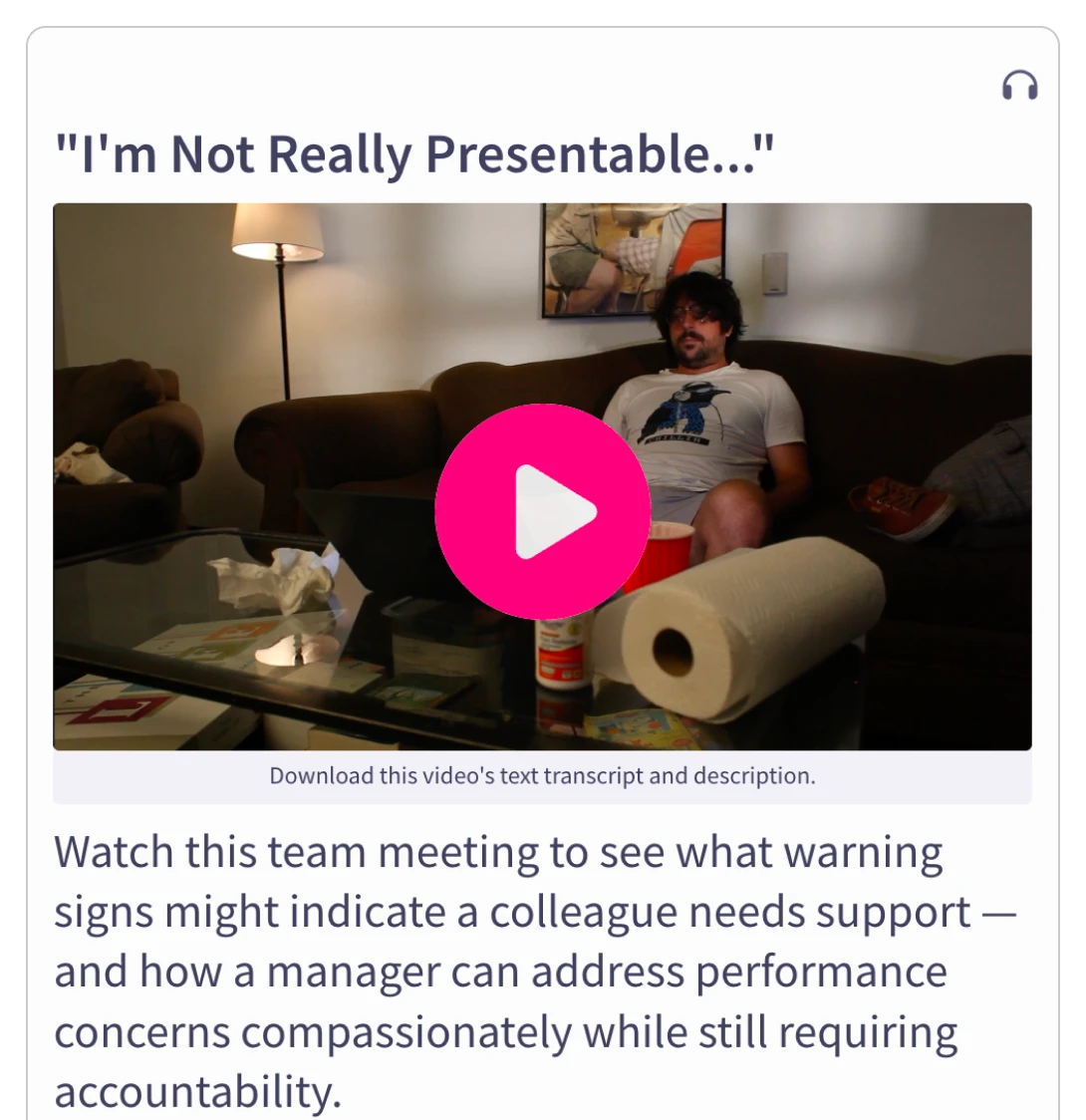
- Rich, contemporary video scences illustrating key concepts through realistic scenarios
- A data driven, skill-based approach to eLearning that establishes a shared language for employees.
Related Resources
Related Trainings
Frequently Asked Questions
Below are answers to common questions that employees and managers have about this topic. These FAQs provide a preview of what you’ll learn in this microlesson and why it matters.
Q
Why is it harder to notice when a remote colleague is struggling?
Remote work removes natural in-person cues—like body language, hallway conversations, and changes in demeanor—so early warning signs of distress often appear only through subtle shifts in communication or performance.
Q
What digital warning signs might indicate a colleague is in distress?
Delayed responses, missed meetings, changes in camera use, withdrawn or unusually late-night messages, or sudden shifts in work quality can all signal that someone may be struggling and needs support.
Q
How should I approach a colleague when I’m concerned about their wellbeing?
Reach out privately with specific observations rather than vague concerns—this shows care without judgment and makes it easier for the colleague to open up if they choose to.
Q
Why is it important to give someone space after you check in?
People in distress may need time before they feel ready to talk, and allowing silence or postponement signals respect, safety, and emotional boundaries without pressure.
Q
What does it mean to support a colleague without enabling them?
Support offers temporary flexibility, compassion, and structure, while enabling removes accountability and allows ongoing issues to harm both the individual and the team.