
Black History Month 2026 presents employers with a clear opportunity to go beyond recognizing history and intentionally teach this year’s theme in a way that supports inclusion, respectful behavior, and workplace trust. Observed every February, Black History Month honors the achievements, contributions, and resilience of Black Americans while creating space for education that connects history to modern work environments.
For HR leaders, people managers, and employees, Black History Month is more than a cultural observance. It directly impacts workplace behavior, psychological safety, and compliance risk. When organizations take a thoughtful, education-first approach, they reinforce respect, trust, and inclusion. When they avoid or oversimplify the moment, they risk disengagement and missed learning opportunities.
The 2026 theme—“A Century of Black History Commemorations”—adds important context, encouraging employers to focus on how Black history has been taught over time and why structured education remains essential today.
The Black History Month 2026 Theme: “A Century of Black History Commemorations”
The official Black History Month 2026 theme, “A Century of Black History Commemorations,” marks the 100th anniversary of organized efforts to recognize, preserve, and teach Black history in the United States. This milestone theme invites deeper reflection—not only on Black history itself, but on the role commemorations have played in shaping understanding, visibility, and progress over time.
What the Theme Means
According to the Association for the Study of African American Life and History, the founders of Black History Month urge us, in this centennial year, to explore the impact and meaning of Black history and life commemorations in transforming the status of Black people in the modern world.
Originally established in 1926 as Negro History Week, Black History Month was created to address the systematic exclusion of Black history from education and public life. Over the past century, commemorations have served as a critical tool for education, advocacy, and cultural recognition—ensuring that Black history is understood as foundational to American history, not peripheral to it.
The 2026 theme honors this legacy by emphasizing that progress has been shaped not only by historical events, but by the ongoing commitment to remembering, teaching, and learning from them.
Why This Theme Matters—and How Employers Should Teach It at Work
In the workplace, this theme reinforces a vital truth: education drives change. History does not teach itself, and without intentional learning, gaps in understanding can surface as bias, exclusion, or harmful assumptions. Black History Month serves as a reminder that awareness and inclusion require sustained effort—not symbolic gestures or one-time acknowledgments.
For organizations, the 2026 theme presents an opportunity to connect historical understanding to modern workplace behavior—helping employees and leaders better understand how context, history, and lived experience shape today’s work environments.
Why Black History Month Matters in the Modern Workplace
Black History Month has direct implications for workplace culture, leadership, and employee trust—particularly in organizations committed to inclusion and risk prevention. When approached with intention, it becomes more than an observance; it becomes a practical tool for strengthening culture and reducing workplace risk.
Culture, Belonging, and Psychological Safety
Employees want to work in environments where their identities and lived experiences are respected. When organizations acknowledge Black History Month thoughtfully, they send a clear signal that history, context, and education matter at work.
This approach helps organizations:
- Strengthen inclusive culture and employee belonging
- Increase psychological safety across teams
- Encourage more respectful, informed dialogue
Conversely, ignoring or minimizing Black History Month can erode trust, reinforce feelings of exclusion, and undermine broader inclusion efforts.
Compliance and Risk Awareness
From a compliance standpoint, education is a key risk-reduction strategy. Without intentional learning, gaps in understanding can surface as bias, inappropriate comments, or exclusionary behavior—whether intentional or not. Over time, these behaviors can escalate into harassment, retaliation, or hostile work environment claims.
Proactive education during Black History Month helps employers:
- Reduce risk tied to bias, harassment, and retaliation
- Equip managers to lead respectful, informed conversations
- Support compliance with anti-discrimination obligations
As the Equal Employment Opportunity Commission emphasizes, employers are responsible for preventing discrimination before it rises to legal violations. Black History Month offers a timely, structured opportunity to reinforce expectations for respectful workplace behavior—demonstrating organizational values through action, not performative statements.
Everyday Workplace Dynamics That Come Into Focus During Black History Month
Black History Month often brings everyday workplace experiences into sharper focus—especially those related to race, bias, and inclusion.
Subtle Bias and Everyday Interactions
Many issues employees face are not overt or intentional, including:
- Stereotyping based on communication style or tone
- Assumptions about professionalism or leadership potential
- Being overlooked, interrupted, or minimized in meetings
While these behaviors may seem small in isolation, over time they can significantly impact morale and trust.
The Role of Managers
Managers play a critical role during cultural observances. Employees look to leaders for cues on whether conversations about race are welcome, respected, and handled appropriately. Without guidance, managers may stay silent—or worse, unintentionally cause harm.
Structured training helps leaders respond with confidence, clarity, and empathy.
How Employers Can Teach Black History Month at Work
Organizations that approach Black History Month effectively focus on education, not performative gestures.
Lead With Learning
Meaningful observance includes:
- Educational content tied to workplace behavior
- Clear connections to company values
- Opportunities for reflection and discussion
- Reinforcement beyond February
Education ensures the month contributes to long-term culture—not just short-term messaging.
Use Accessible, Practical Resources
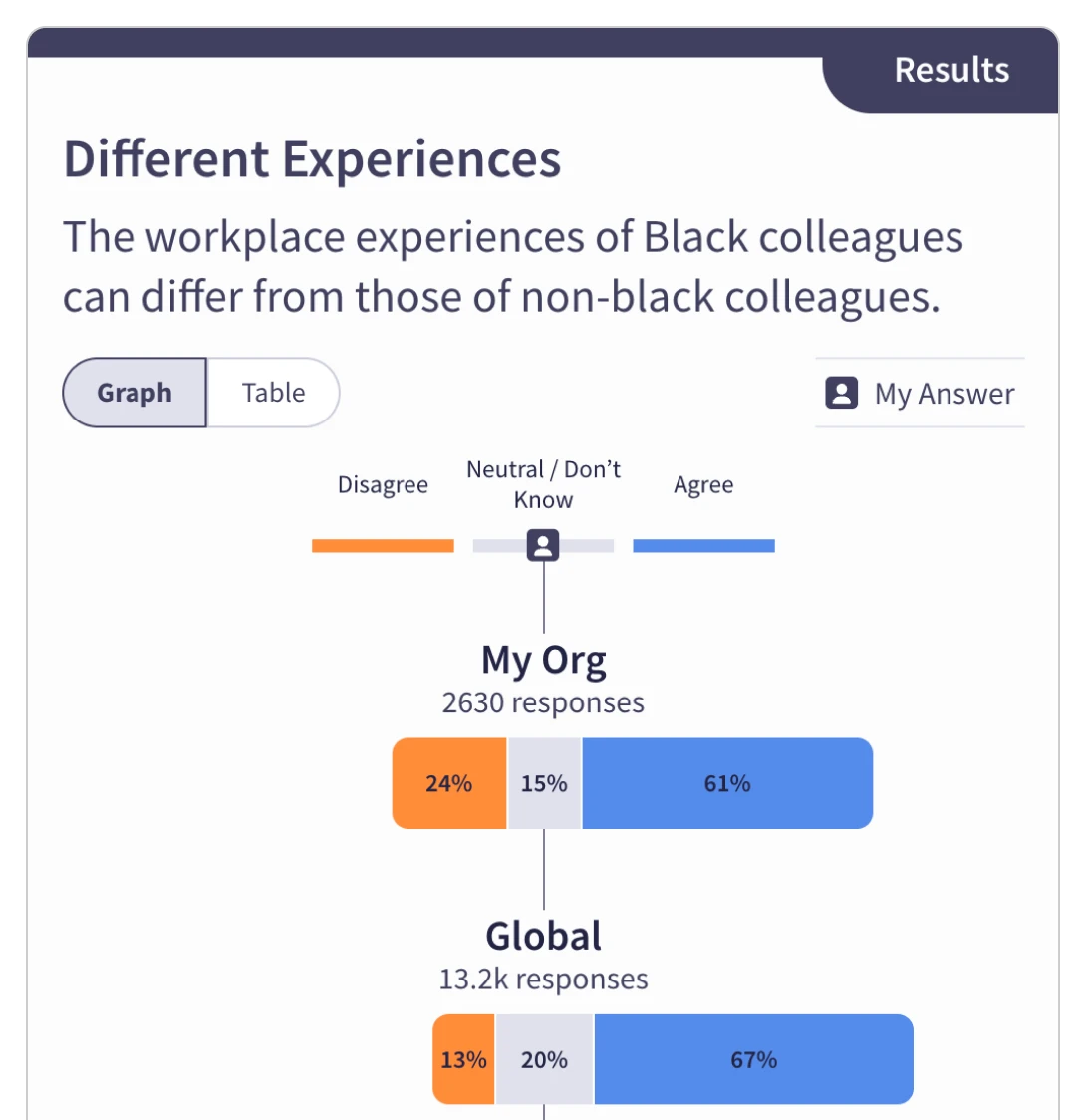
Not all employees engage the same way. Short, focused learning options allow participation without pressure. Emtrain’s Black History Month Microlesson is designed to help employers teach the 2026 theme consistently and responsibly, grounding historical context in real workplace behavior while giving HR leaders insight into how Black colleagues may experience workplace culture.
How Emtrain Supports Black History Month Learning
For many organizations, the most effective way to teach the 2026 Black History Month theme is through short, structured learning that connects history to behavior. Emtrain helps organizations turn Black History Month into a meaningful learning experience that supports both culture and compliance.
Training That Connects History to Behavior
Emtrain’s Black History Month Microlesson provides historical context while connecting it to everyday workplace interactions. It reinforces why awareness matters—and how respect shows up in real situations.
Organizations can further support learning with:
- Inclusion Training to reinforce inclusive behavior
- Our Respect courses for everyday interactions
- Behavior insights from Emtrain’s Intelligence Platform
- Scenario-based examples from our Video Library
Together, these resources help employees move from awareness to action.
Making 2026 Black History Month Meaningful
2026 Black History Month—with its theme “A Century of Black History Commemorations”—reminds organizations that education is intentional work. History must be taught, revisited, and connected to present-day behavior to have real impact.
By investing in learning rather than symbolism, organizations can strengthen inclusion, reduce risk, and reinforce a culture of respect that lasts beyond February. Black History Month becomes not just a moment of recognition, but a foundation for better workplace behavior year-round.
To learn how Emtrain can support your Black History Month initiatives and broader inclusion goals, let’s talk.