




The Business Case for Empathy
Social and political issues inevitably spill into the workplace. These conversations can be emotionally charged, deeply personal, or tied to events that affect employees’ safety, identity, or wellbeing. This microlesson teaches learners how to navigate these moments with empathy, professionalism, and clarity. By understanding how to engage thoughtfully—without avoiding or escalating difficult topics—employees can strengthen collaboration, trust, and psychological safety across teams.
Microlesson Description
Learners will explore why empathy is a critical business skill, how acknowledging the broader world supports healthier workplace dynamics, and how to focus on impact rather than intent when discussing sensitive topics. The lesson also emphasizes maintaining professional respect and inclusive language, even when people hold differing political or social views.Key Concepts
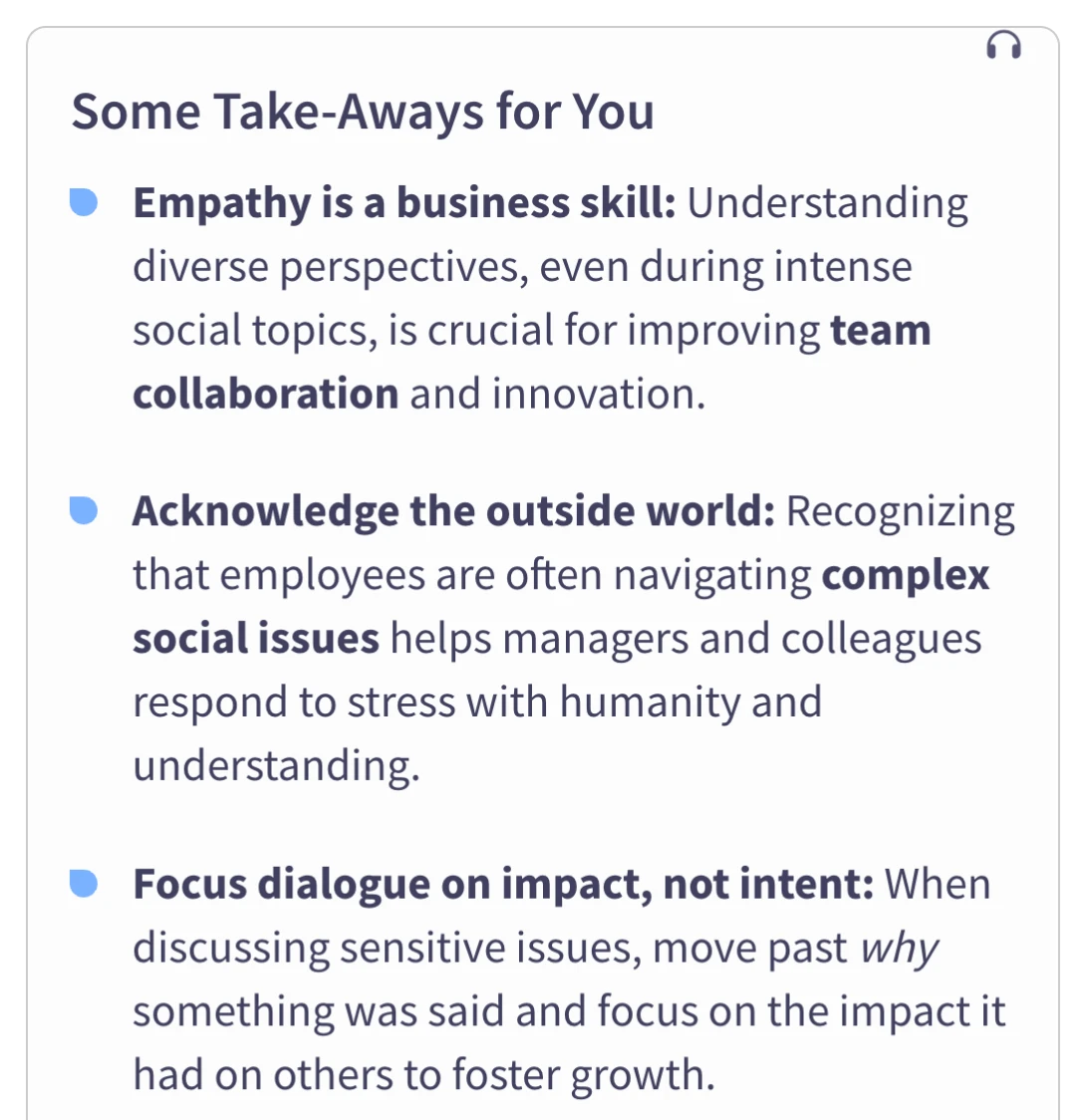
- Empathy is a business skill that drives collaboration and innovation.
- Employees often carry stress from complex social issues—acknowledge this reality.
- Focus dialogue on the impact of words and actions, not the intent behind them.
- Maintain professional respect and inclusive language across differing viewpoints.
Microlesson Features
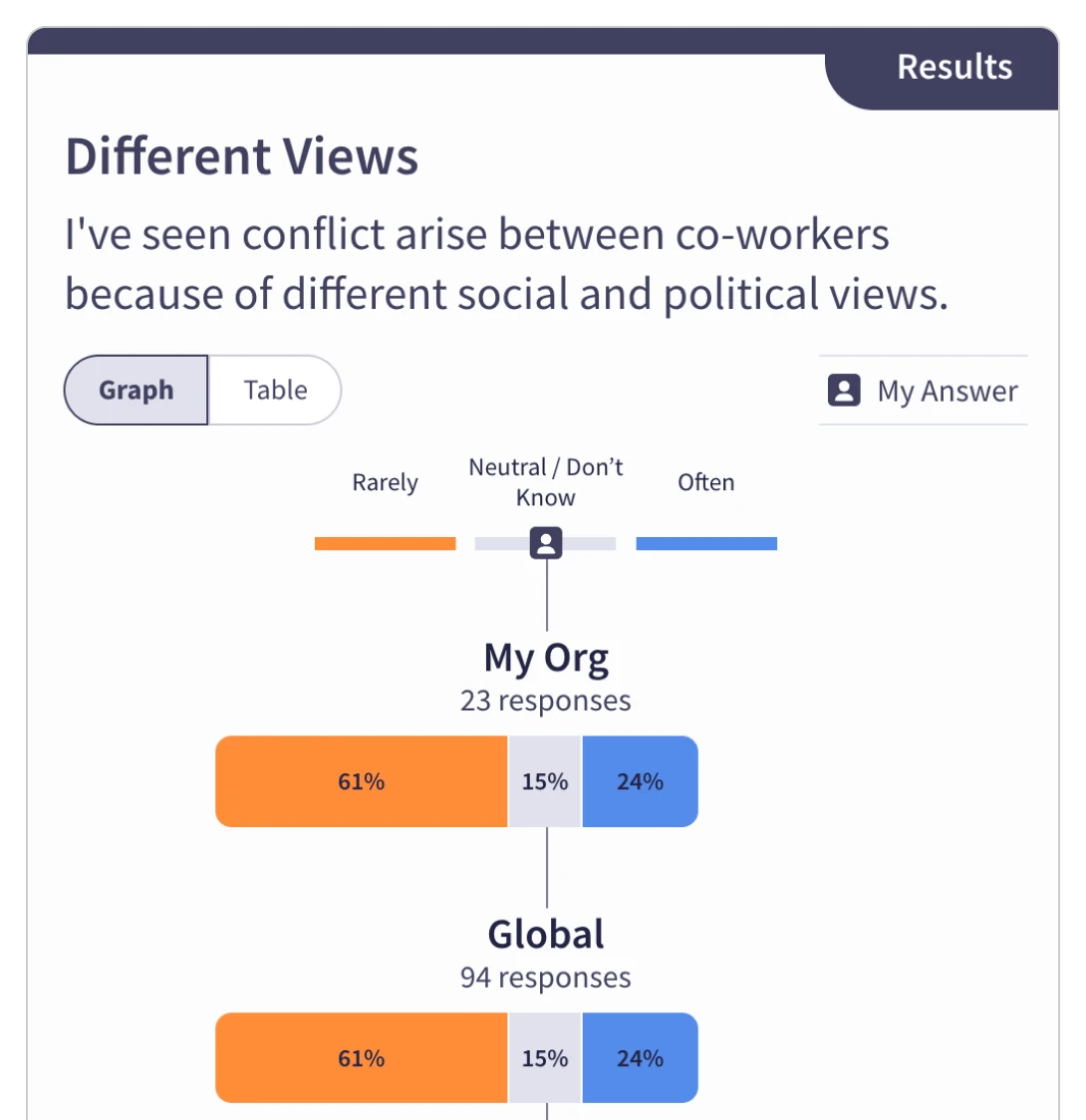
- Employee sentiment pulsing questions that provide leaders with insights into their workforce's core cultural competencies
- Emtrain's Expert Answers tool, enabling employeees to submit anonymous questions about sensitive issues.
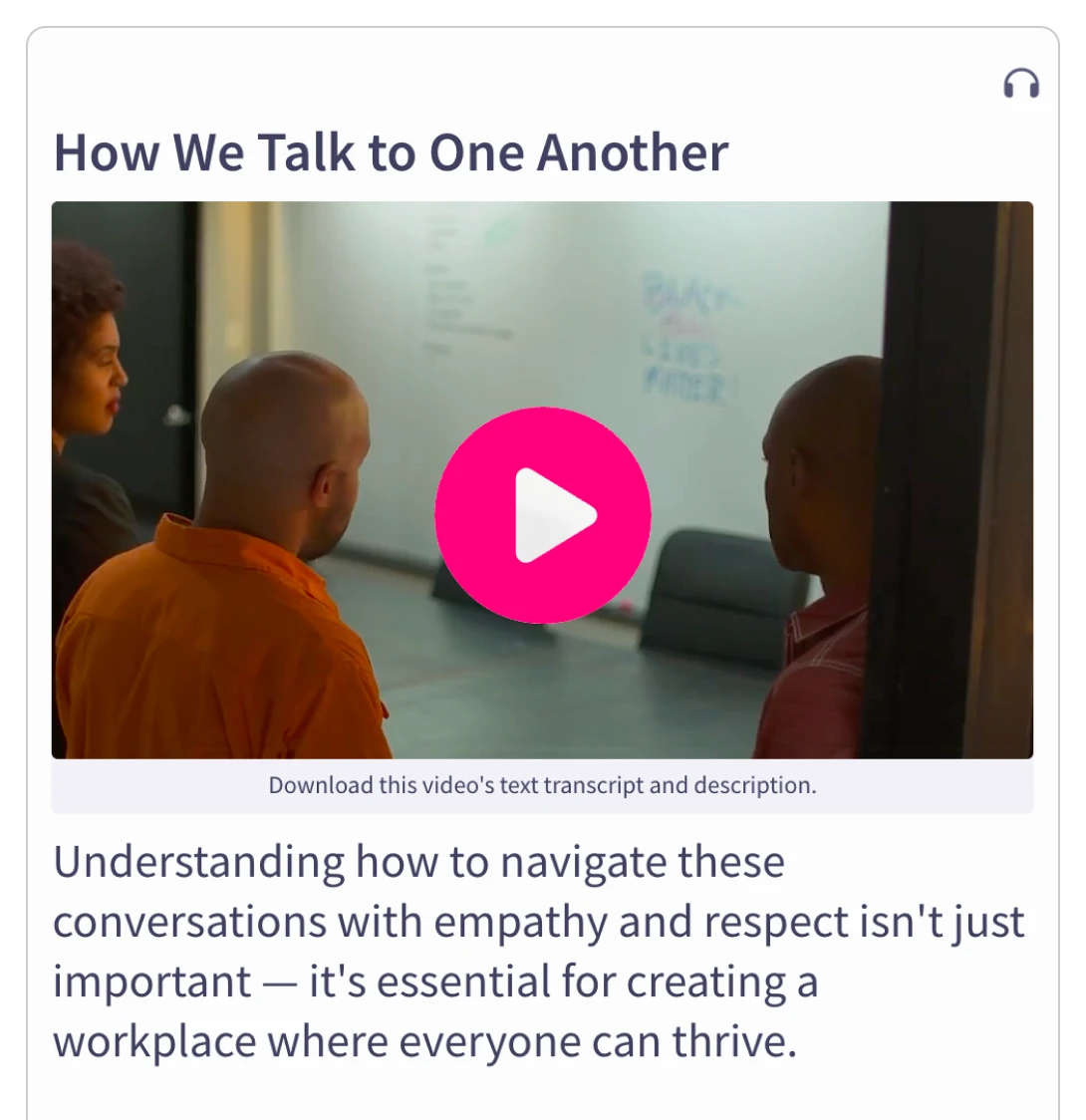
- Rich, contemporary video scences illustrating key concepts through realistic scenarios
- A data driven, skill-based approach to eLearning that establishes a shared language for employees.
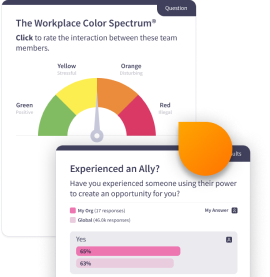
How empathy drives collaboration and innovation
Related Resources
Related Trainings
Frequently Asked Questions
Below are answers to common questions that employees and managers have about this topic. These FAQs provide a preview of what you’ll learn in this microlesson and why it matters.
Q
Why is empathy important when discussing social or political issues at work?
Empathy helps employees understand different perspectives and maintain trust, even when views differ. It ensures that sensitive conversations stay respectful, inclusive, and productive.
Q
How can social or political discussions affect team dynamics?
When not handled carefully, social and political discussions can create tension or misunderstandings. Practising empathy and maintaining professional respect helps prevent conflict and preserve collaboration.
Q
What should managers do when workplace conversations become heated?
Managers should refocus dialogue on shared goals and team values. By modelling empathy and calm communication, they can de-escalate tension and guide the conversation back to professionalism.
Q
How can employees balance personal beliefs with professional boundaries?
Employees can share perspectives respectfully while keeping workplace conversations aligned with organisational values. Focusing on listening and learning, not persuading, maintains professionalism and inclusion.
Q
What does 'focus on impact, not intent' mean in workplace dialogue?
It means shifting attention from why something was said to how it affected others. Focusing on impact encourages accountability and helps build more empathetic, inclusive communication.