




Legal Responsibilities Every Manager Should Understand
Course Video Preview
Watch as an employee shares bad news, and how the manager responds with empathy and professionalism.Managing people isn’t just about performance and culture—it’s about making legally sound decisions at every stage of the employee lifecycle. This course gives managers the clarity and confidence they need to lead fairly, consistently, and within the law.
Managers are often the first line of defense—and the first point of risk—when it comes to employment law. From hiring and pay decisions to leave requests, accommodations, discipline, and termination, even well-intentioned actions can create legal exposure if handled incorrectly. Managing Within the Law helps managers understand their legal responsibilities without turning them into lawyers, empowering them to make informed decisions, ask the right questions, and partner effectively with HR.
Course Description:
Managing Within the Law equips managers with essential legal knowledge and practical skills to navigate the most common—and most risky—moments of people management. Covering the full employment lifecycle, this course demystifies key employment laws and translates them into real-world guidance managers can apply immediately.
Participants learn how to recruit and hire fairly, manage wages and hours correctly, respond appropriately to disability and leave requests, address bullying and misconduct, and handle discipline and termination with confidence and consistency. Throughout the course, managers are reinforced with one core message: thoughtful, lawful management decisions protect employees, strengthen workplace culture, and reduce organizational risk.
Key Concepts:
At the core of this course, managers will build:
- A clear understanding of fundamental employee protections and how they show up in day-to-day management decisions
- Practical tools for applying fairness and consistency across hiring, promotion, discipline, and termination
- Confidence in responding to disability accommodations and leave requests with empathy and legal awareness
- Awareness of wage and hour obligations under federal and state law—and how manager actions can trigger compliance issues
- A stronger partnership mindset with HR to prevent problems before they escalate
Why it Matters
Employment laws are designed to protect employees—but they also protect organizations when managers understand and apply them correctly. Most legal claims don’t start with malicious intent; they start with confusion, inconsistency, or a manager trying to “do the right thing” without understanding the legal implications.
When managers lack legal awareness, organizations face increased risk of complaints, investigations, turnover, and costly litigation. When managers are trained, they are better equipped to lead with confidence, respond appropriately to sensitive situations, and reinforce ethical decision-making across the workplace. Managing Within the Law helps create a culture where compliance supports—not hinders—effective leadership.
Course Features
- Access to our Anonymous Ask the Expert tool
- Rich video scenarios based on real-world events
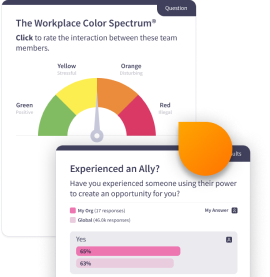
- Built-in employee sentiment surveys
- 50+ Machine Translation Options
- Optional program timer
- Policy acknowledgement tool
- Extensive customization options
Lessons
Managing Within the Law
Hiring Skills and Restrictions
FLSA and Wage and Hour State Laws
Managing Disability Protections
Navigating Leaves of Absence
Responding to Claims of Bullying, Harassment and Discrimination
Discipline and Termination
Provide Your Feedback
Relevant Courses

Complementary Microlessons
Recommended Resources
From ‘Ask the Expert’
Emtrain’s Ask the Expert feature enables users to ask questions about compliance, bias, harassment, and diversity & inclusion as they come up. It’s all confidential, and answers are sent straight to their inbox. View some of the example questions below and see the Experts answers.